
The Death of Outdated URLs: 301 Redirects as a Strategic SEO Weapon
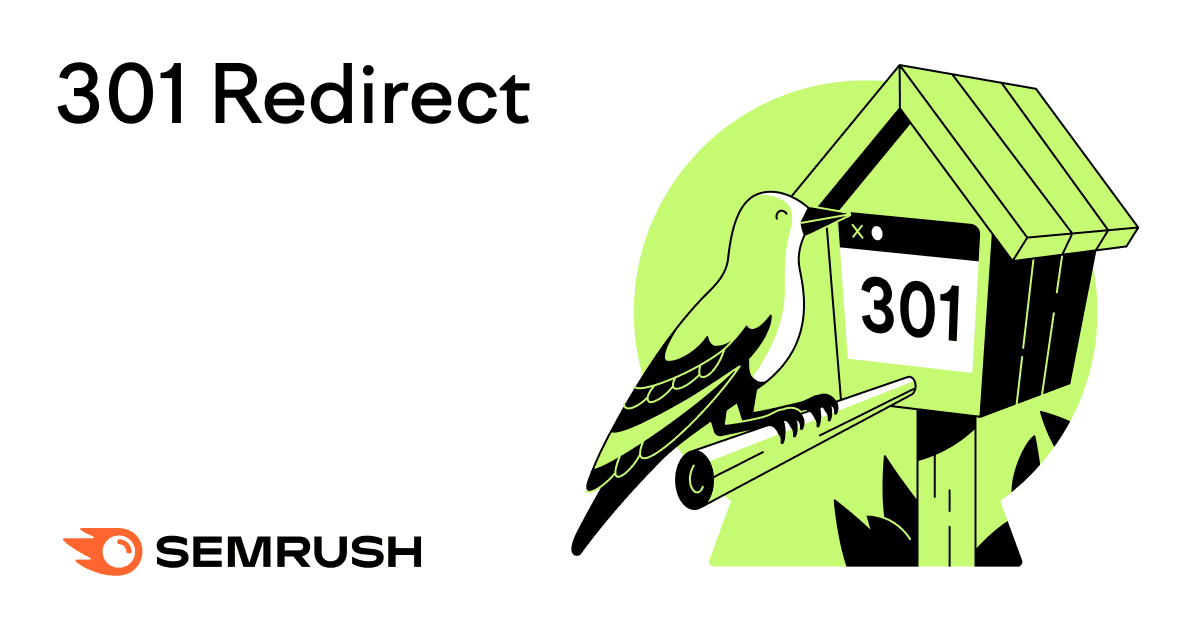
In an era where digital presence dictates market share, the importance of 301 redirects cannot be overstated. These permanent URL redirections are not merely technical necessities; they represent a strategic maneuver in the ongoing battle for online visibility and user engagement. As we look towards 2030, understanding the implications of 301 redirects on SEO and user experience will be paramount for businesses aiming to scale and thrive.
The End of Broken Links
With the rise of AI-driven content consumption, the death of broken links is imminent. Implementing 301 redirects ensures that users and search engines are directed to the right content, preserving the authority and ranking power of your web pages. When a page is deleted or moved, redirecting to a relevant replacement page allows businesses to maintain their hard-earned SEO value, effectively transferring the search engine rankings from the old page to the new one.
The Rise of User-Centric Navigation
As user experience becomes a critical factor in SEO performance, 301 redirects facilitate seamless navigation. By guiding users from outdated or low-value pages to more relevant content, businesses can enhance engagement and satisfaction. This shift is essential as macro-trends indicate that users are increasingly discerning; they expect immediate access to valuable information without the frustration of encountering dead ends.
2030 Outlook: The Future of SEO and AI Interactions
Looking ahead, the role of 301 redirects will evolve alongside advancements in AI. While these redirects typically do not hinder AI visibility, there is a potential risk of AI systems referencing outdated content. Therefore, ensuring that redirects lead to relevant pages is crucial. As AI tools like ChatGPT continue to integrate into user experiences, businesses must be proactive in managing their digital content to avoid confusion and enhance user satisfaction.
Strategic Use Cases for 301 Redirects
The strategic implementation of 301 redirects can take various forms, each serving a unique purpose:
- Deleting a Page with a Replacement: Redirecting from a discontinued product page to its replacement preserves traffic and search visibility.
- Migrating to a New Domain: A well-planned redirect map is essential during domain migrations to maintain SEO equity.
- Changing URL Slugs: Correcting typos or optimizing URL slugs with 301 redirects ensures users reach the intended content.
- Consolidating Duplicate Pages: Merging similar pages into one comprehensive guide through redirects can enhance SEO strength and streamline maintenance.
Best Practices for Maximizing 301 Redirects
To fully leverage the power of 301 redirects, businesses must adhere to best practices:
- Update Links: Wherever possible, internal and external links should point directly to the new URL, minimizing unnecessary redirects.
- Remove Redirecting URLs from XML Sitemap: This ensures search engines receive clear signals about which pages to crawl and index.
- Avoid Redirect Chains: Directly linking to the final destination URL prevents confusion and enhances load times.
Conclusion: The Strategic Imperative of 301 Redirects
As we advance towards 2030, the strategic implementation of 301 redirects will be vital for businesses seeking to maintain their competitive edge. The death of outdated URLs and the rise of user-centric navigation will define the future of SEO. By understanding and utilizing 301 redirects effectively, companies can ensure sustained growth, enhanced market share, and a robust online presence in an increasingly digital world.
FAQ
301 redirects are crucial for preserving SEO value by directing both users and search engines to relevant content when pages are moved or deleted. This ensures that hard-earned rankings and authority are transferred to new URLs, preventing loss of visibility and maintaining traffic, which is vital for sustained market share in an increasingly digital landscape.
As AI tools become more integrated into user experiences, it's critical that 301 redirects lead to genuinely relevant pages. This prevents AI systems from referencing outdated information, which could confuse users and damage brand perception. Proactive management of redirects ensures a seamless and trustworthy user journey, enhancing satisfaction and engagement.
301 redirects offer strategic advantages in several scenarios: redirecting deleted product pages to their replacements preserves traffic and sales; migrating to a new domain requires a redirect map to maintain SEO equity; correcting URL slugs ensures users reach intended content; and consolidating duplicate pages into a single comprehensive resource strengthens overall SEO.
To maximize impact, businesses should prioritize updating internal and external links to point directly to new URLs whenever possible, remove redirecting URLs from XML sitemaps to provide clear signals to search engines, and crucially, avoid redirect chains by linking directly to the final destination. This ensures optimal load times and a smooth user experience.