

The Overlooked Crisis in Non-Forest Ecosystems
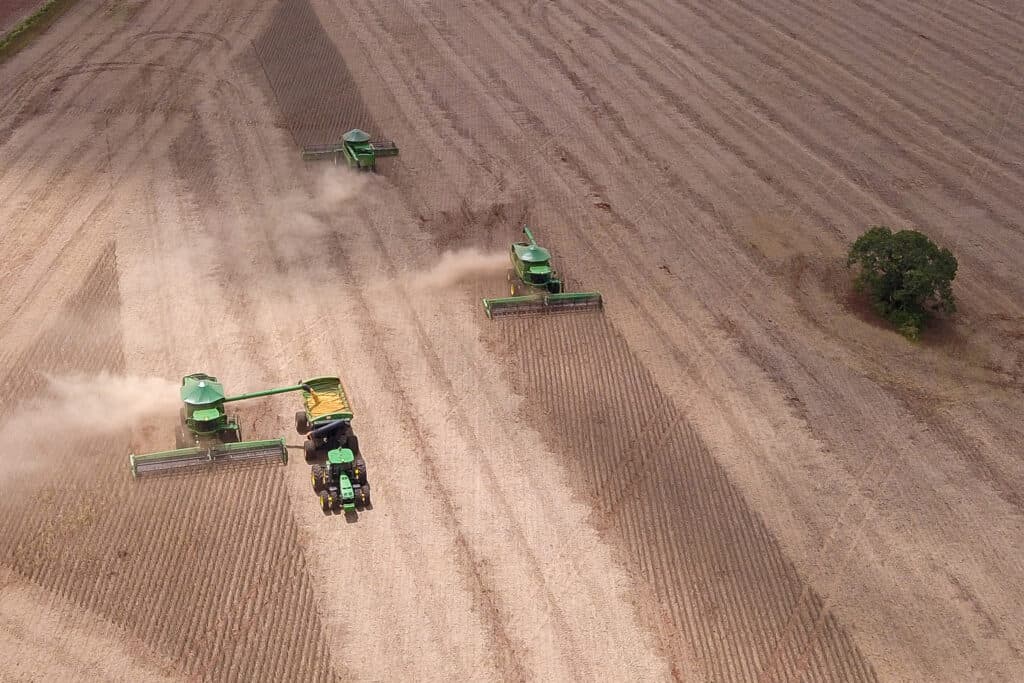
Agriculture is the leading driver of ecosystem degradation globally, but the focus has long been on deforestation in the Amazon and other tropical forests. A recent study reveals a more insidious trend: non-forest ecosystems like grasslands and wetlands are being converted nearly four times faster than forests, primarily to produce livestock feed. This shift carries profound strategic implications for climate stability, biodiversity, and agricultural supply chains.
Grasslands store 34% of terrestrial carbon, making their loss a critical blow to climate mitigation efforts. Wetlands, essential for water purification and flood control, are also disappearing. The financial and environmental costs of this conversion are mounting, yet current policies and corporate sustainability targets largely ignore these ecosystems.
Strategic Winners and Losers in the Land Conversion Race
Short-Term Winners: Livestock Producers and Feed Exporters
In the near term, livestock producers and agricultural commodity traders benefit from expanded cropland for feed. Countries like Brazil and the United States, which are major exporters of livestock feed (e.g., soy and corn), see immediate economic gains. The demand for meat and dairy continues to rise, driving land conversion and boosting profits for these stakeholders.
Long-Term Losers: Climate Stability and Ecosystem Services
The broader ecological balance suffers. The loss of grasslands releases stored carbon, accelerating climate change. Wetlands, which provide critical habitat for wildlife and filter pollutants, are also under threat. The long-term costs include diminished ecosystem services, increased greenhouse gas emissions, and potential regulatory backlash as public awareness grows. Companies that rely on agricultural commodities may face supply chain disruptions and reputational damage if they fail to address these risks.
Policy Gaps and Corporate Risks
The Soy Moratorium's Unintended Consequences
Initiatives like the Soy Moratorium, which successfully reduced deforestation in the Amazon, have inadvertently shifted agricultural pressure to grasslands and wetlands. This policy leakage demonstrates the need for a more holistic approach to land conservation. Current agricultural policies often overlook the importance of non-forest ecosystems, creating blind spots in sustainability strategies.
Financial Implications for Agribusiness
The study reveals that livestock feed accounts for over one-third of global cropland conversion, and in the U.S., this figure exceeds 50%. This reliance on livestock production not only threatens ecosystems but also jeopardizes future agricultural productivity. As ecosystems degrade, the cost of farming could rise due to soil erosion, water scarcity, and loss of pollinators. Food security and prices may be impacted, creating risks for investors and insurers.
Strategic Recommendations for Executives
Incorporate Ecosystem Value into Sustainability Targets
Companies should integrate the value of grasslands and wetlands into their sustainability frameworks. This includes understanding the long-term ROI of preserving these ecosystems—carbon sequestration, water regulation, and biodiversity. Firms that lead in this area can enhance brand reputation and reduce regulatory risk.
Diversify Agricultural Practices
Shifting towards sustainable agricultural practices that minimize land conversion is essential. This can include precision agriculture, agroforestry, and alternative proteins. Reducing reliance on livestock feed can lower exposure to land-use risks and align with evolving consumer preferences.
Advocate for Comprehensive Policies
Engage with policymakers to create regulations that address both forest and non-forest ecosystem conservation. A holistic approach can mitigate risks associated with agricultural expansion and ensure long-term access to critical natural resources.
Outlook: What to Watch in the Next 30 Days
Over the next month, monitor policy announcements from major agricultural exporting countries, particularly Brazil and the U.S., regarding land-use regulations. Also watch for corporate sustainability reports from leading agribusinesses and food companies—any mention of grassland or wetland conservation will signal a strategic shift. Finally, track commodity prices for soy and corn, as changes may reflect supply constraints from land conversion.
FAQ
The primary driver is agricultural expansion, particularly for livestock production, which converts non-forest ecosystems at an alarming rate. Short-term economic benefits accrue to livestock producers, agricultural commodity traders, and countries that export livestock feed, due to increased production and immediate profits.
The long-term risks include significant loss of terrestrial carbon storage (grasslands) and diminished biodiversity and water quality (wetlands), impacting climate stability and ecosystem services. This degradation can lead to increased farming costs, jeopardized future agricultural productivity, and potential regulatory backlash as public awareness of these environmental costs grows.
Businesses can mitigate these risks by integrating the value of grasslands and wetlands into their sustainability targets, diversifying agricultural practices to minimize land conversion, and advocating for comprehensive policies that protect both forest and non-forest ecosystems. This strategic approach enhances brand reputation and secures long-term ROI.


