
Meta's Manus AI Integration: The End of Manual Ad Management
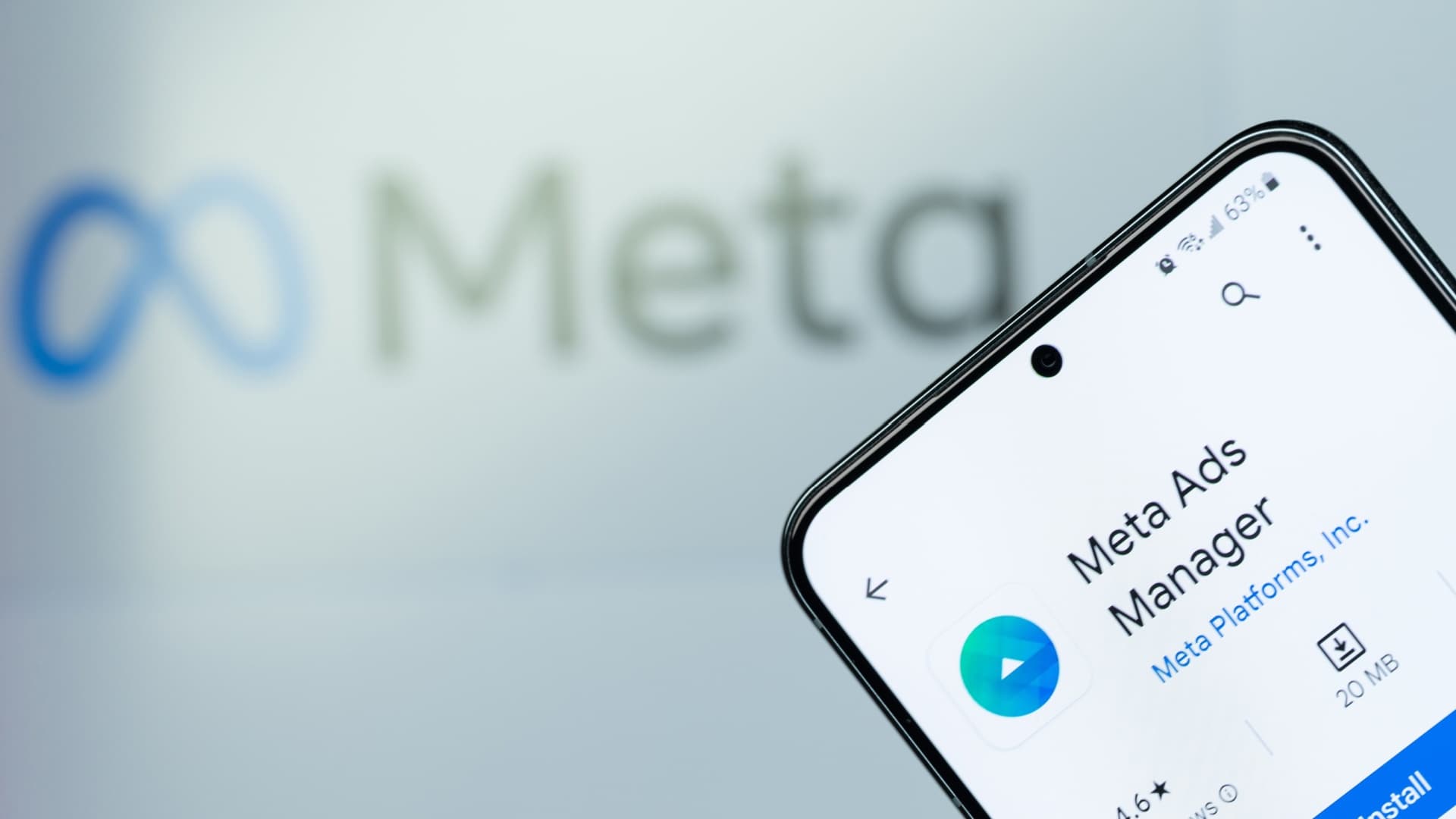
Meta's decision to embed Manus AI directly into Ads Manager signals a definitive shift from manual campaign optimization to fully automated, AI-driven performance management. This is not an incremental update; it is a structural reengineering of how advertising budgets are allocated and optimized. For advertisers, the immediate question is not whether to adopt this tool, but how quickly they can restructure their teams and workflows to leverage it.
Manus AI, a newly acquired technology by Meta, is designed to automate tasks such as report building, audience research, and bid optimization. By integrating these capabilities natively into Ads Manager, Meta removes the need for third-party optimization tools and reduces the reliance on human analysts for routine adjustments. The strategic implication is clear: advertisers who fail to adopt AI-driven optimization will face a structural cost disadvantage, as manual processes become increasingly inefficient relative to automated competitors.
Strategic Consequences for the Advertising Ecosystem
Who Gains: Meta and Early Adopters
Meta stands to gain significantly from this move. By embedding AI directly into its platform, Meta increases switching costs for advertisers, as the optimization engine becomes deeply integrated with campaign data and performance history. Advertisers who rely on Manus AI will find it increasingly difficult to migrate to competing platforms without losing optimization momentum. This creates a classic lock-in effect, strengthening Meta's competitive moat.
Early adopters among advertisers will also benefit. The automation of routine tasks frees up talent to focus on higher-level strategy, creative development, and audience insights. More importantly, AI-driven optimization can uncover performance patterns that human analysts might miss, leading to superior ROI. In a competitive market, even a 5-10% improvement in ad efficiency can translate into significant market share gains.
Who Loses: Traditional Agencies and Competitors
The biggest losers are traditional ad agencies that derive revenue from manual campaign management and optimization. As AI automates these functions, agencies must pivot to higher-value services such as creative strategy, brand positioning, and data interpretation. Those that fail to adapt risk obsolescence. Similarly, competing ad platforms—such as Google, TikTok, and Amazon—must now accelerate their own AI integration to avoid losing advertisers to Meta's superior automation.
There is also a risk for advertisers who adopt Manus AI without understanding its limitations. Over-reliance on a single optimization algorithm can lead to homogenized strategies, reduced creativity, and vulnerability to algorithmic biases. Advertisers must maintain human oversight to ensure that AI-driven decisions align with brand values and long-term strategic goals.
Market Impact: A Race to AI-Native Advertising
The integration of Manus AI into Ads Manager accelerates the industry-wide shift toward AI-native advertising. In the near term, we can expect Meta to capture a larger share of ad spend as advertisers flock to the platform for its efficiency gains. Competitors will respond with their own AI tools, leading to a wave of acquisitions and internal developments focused on ad automation. By 2030, manual ad optimization may become a niche practice, reserved for highly specialized campaigns or brands with unique requirements.
This shift also has implications for data privacy and regulatory oversight. AI-driven optimization relies on vast amounts of user data, and regulators are increasingly scrutinizing how platforms use personal information for targeting. Meta's Manus AI may face challenges in regions with strict data protection laws, such as the EU's GDPR. Advertisers operating in multiple jurisdictions must ensure compliance while still benefiting from automation.
Outlook and Actionable Recommendations
Over the next 30 days, advertisers should audit their current campaign management processes to identify tasks that can be automated with Manus AI. Early experimentation with the tool will reveal its strengths and limitations, allowing teams to adjust workflows accordingly. Agencies must begin reskilling their workforce to focus on strategic oversight rather than manual optimization. Competitors should accelerate their AI roadmaps to prevent Meta from establishing an insurmountable lead.
Regulatory developments should also be monitored closely. Any new restrictions on AI-driven ad targeting could alter the competitive landscape, potentially benefiting platforms with more transparent or consent-based models. Advertisers should diversify their platform mix to mitigate the risk of over-dependence on Meta.
Final Take
Meta's Manus AI integration is a strategic masterstroke that redefines the economics of digital advertising. The platform that delivers the best ROI will win, and AI is now the primary lever for achieving that. Advertisers and agencies that embrace this shift will thrive; those that resist will be left behind. The next 12 months will separate the adaptive from the obsolete.
FAQ
Meta's integration of Manus AI signifies the end of traditional ad management by embedding AI directly into Ads Manager. This shift automates tasks like report building and audience research, driving efficiency and measurable returns, and positions Meta as a leader in AI-driven ad technology.
Early adopters of AI-driven tools like Manus AI can gain a significant competitive edge by achieving substantial time savings, enhanced campaign optimization, and improved performance. This proactive adaptation is crucial for maintaining market share and scalability in an increasingly automated advertising landscape.
The advertising sector is being shaped by a macro-trend towards data-driven decision-making, enabled by AI tools that provide faster insights and more agile market responses. This increasing automation necessitates a rise in skilled professionals capable of interpreting AI-generated data, requiring businesses to invest in talent development alongside technology adoption.
By 2030, AI-driven tools will dominate advertising, enhancing workflow efficiencies and redefining brand-consumer interactions. Businesses should prepare by actively embracing and integrating these AI technologies to optimize campaigns and drive performance, ensuring they remain competitive in this evolving digital ecosystem.