

The AI Infrastructure Boom and Its Impact
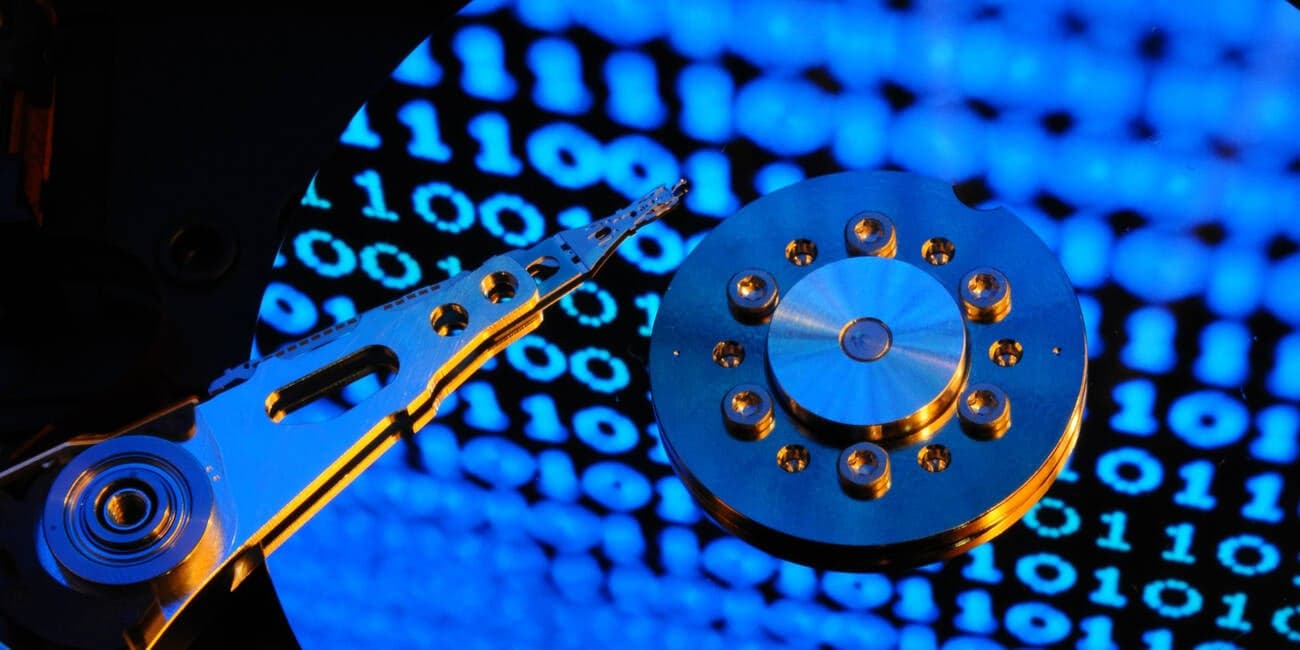
AI demand is transforming the storage landscape, leading to a significant shortage of hard drives. The hyperscalers—large cloud service providers—have effectively secured the entirety of the hard drive production for 2026, leaving little room for other buyers. As reported by The Register, Seagate and Western Digital have confirmed that they are sold out for the year, with Western Digital's CEO stating they have long-term agreements in place with key customers extending into 2027 and 2028.
Inside the Machine: Who's Benefiting?
The primary beneficiaries of this hard drive shortage are the hyperscalers, which include major players like Google, Amazon, and Microsoft. These companies are not only consuming vast amounts of storage but are also prioritizing their needs over smaller enterprises. Sid Nag, President and Chief Research Officer at Tekonyx, pointed out that HDD manufacturing capacity is now almost exclusively allocated to these high-volume players, effectively sidelining mid-size markets that rely on server technology.
The Hidden Mechanism of Supply Chains
What they aren't telling you is that this shortage is not just about hard drives. The entire supply chain for data infrastructure is under strain. Omdia's Senior Research Director Vlad Galabov has downgraded forecasts for enterprise general-purpose servers and storage due to this scarcity. Meanwhile, the overall server spending forecast has been raised to $590 billion, driven by the top ten cloud providers who are ramping up their investments. This indicates a shift in focus; while the enterprise market struggles, the hyperscalers continue to thrive.
Future Implications for Corporate IT
For corporate IT departments, the implications are stark. Organizations that planned to use hard drives as a capacity tier in their storage solutions are likely to face challenges. The ongoing shortages of DRAM and NAND flash silicon, which are integral to solid-state drives (SSDs), further complicate the landscape. Andrew Buss, IDC's Senior Research Director for European Enterprise Infrastructure, highlighted that these shortages are dynamically affecting each other, creating a ripple effect that will persist for the foreseeable future.
What Lies Ahead: Market Dynamics
As AI continues to demand more storage and networking capabilities, expect to see shortages not only in hard drives but also in high-performance networking components. Buss noted that the next-generation Rubin GPUs require over 20TB of fast SSD storage per unit, exacerbating the situation. This has led to a reconsideration of HDDs, with hybrid flash arrays likely making a comeback as organizations seek cost-effective storage solutions.
The Strategic Outlook
In summary, the current hard drive shortage is a symptom of the broader AI-driven demand for storage and computing resources. The hyperscalers are positioned to dominate the market, while mid-size enterprises may find themselves at a disadvantage. As the data center landscape evolves, organizations must adapt their strategies to navigate these challenges effectively. The focus should be on exploring alternative storage solutions and reassessing IT budgets to accommodate the shifting dynamics.
FAQ
The explosive demand for AI infrastructure is the primary driver, leading hyperscalers (like Google, Amazon, Microsoft) to secure virtually all hard drive production for 2026 and beyond. This effectively sidelines mid-size enterprises and creates a significant supply constraint for general IT needs.
Hyperscalers are benefiting by securing long-term supply agreements for hard drives and other data infrastructure components, prioritizing their massive AI investments. Consequently, mid-size enterprises and organizations relying on traditional storage solutions face significant shortages and potential disruptions to their IT plans.
The scarcity extends to the entire data infrastructure supply chain, including shortages of DRAM and NAND flash silicon, which are critical for SSDs. This creates a ripple effect, dynamically impacting various IT components and making it challenging to procure necessary hardware.
Corporate IT departments must reassess their storage strategies, potentially exploring hybrid flash arrays and other cost-effective alternatives to traditional HDD-based solutions. It's crucial to anticipate ongoing shortages, re-evaluate IT budgets, and adapt procurement plans to navigate the evolving data center landscape dominated by hyperscaler demand.


