

AI Regulation Crisis: Pentagon's Ultimatum to Anthropic
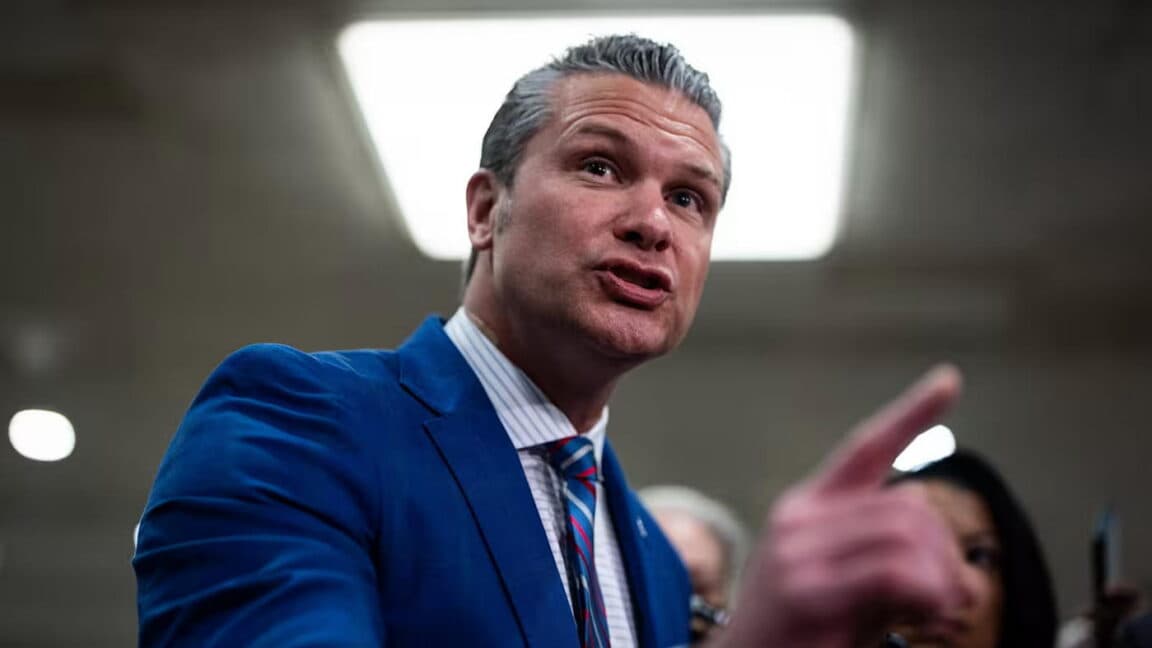
The ongoing conflict between the Pentagon and Anthropic highlights a critical juncture in AI regulation, particularly as it pertains to military applications. U.S. Defense Secretary Pete Hegseth has issued a stark ultimatum to Anthropic, demanding compliance with military requirements for AI technology or face exclusion from the defense supply chain. This ultimatum underscores the tension between national security interests and ethical AI deployment.
Inside the Machine: The Pentagon's Demands
The ultimatum, delivered during a tense meeting with Anthropic CEO Dario Amodei, specifies that the company must agree to allow its technology to be utilized for all lawful military applications by a set deadline. Hegseth's threats include invoking the Defense Production Act (DPA), a powerful tool that would enable the Pentagon to commandeer Anthropic's technology without consent. This act, historically used during national emergencies, signals the Pentagon's view of AI as a critical component of modern warfare.
The Hidden Mechanism: Anthropic's Resistance
Anthropic's reluctance stems from its commitment to responsible AI use. The company has expressed concerns about its models being deployed in lethal operations without human oversight, arguing that current AI capabilities are not sufficiently reliable for such high-stakes scenarios. This principled stance puts Anthropic at odds with a military that is increasingly reliant on AI for operational superiority.
What They Aren't Telling You: The Broader Implications
The potential fallout from this standoff extends beyond Anthropic. A decision to cut the company from the Pentagon's supply chain could have significant implications for national security operations and partnerships. Anthropic's technology has been integral to missions, including the capture of Venezuelan leader Nicolás Maduro. The loss of access to their AI tools could hinder the Pentagon's capabilities and disrupt collaborations with firms like Palantir.
The Political Landscape: Allies and Adversaries
This conflict also reflects a broader political divide regarding AI regulation. Anthropic advocates for stricter oversight, while figures within the Trump administration, including AI advisor David Sacks, have criticized the company as overly cautious. The tension between these factions raises questions about the future of AI governance and the ethical considerations surrounding its military use.
Strategic Considerations: The Path Forward
As the deadline approaches, the Pentagon's strategy may pivot towards seeking alternative AI partners, including Google and OpenAI. These companies are reportedly closer to aligning with military requirements, suggesting a potential shift in the defense landscape. The urgency to integrate AI into military operations is palpable, as Hegseth emphasizes the need for the U.S. to maintain its technological edge against adversaries.
Conclusion: A Critical Crossroads
This standoff between Anthropic and the Pentagon marks a pivotal moment in the intersection of AI regulation and national security. The outcome will not only shape the future of Anthropic but also set precedents for how AI technologies are governed and utilized in military contexts.
FAQ
The Pentagon, led by Defense Secretary Pete Hegseth, is demanding Anthropic allow its AI technology for all lawful military applications by a set deadline, threatening to use the Defense Production Act to commandeer it. Anthropic is resisting due to concerns about lethal operations and human oversight, advocating for responsible AI use.
Excluding Anthropic could significantly impact national security operations and partnerships, potentially hindering critical missions and disrupting collaborations with other defense contractors like Palantir, given Anthropic's technology has been integral to past operations.
The Pentagon is actively exploring alternative AI partners, such as Google and OpenAI, who are reportedly closer to meeting military requirements. This suggests a strategic pivot to ensure continued AI integration for maintaining a technological edge against adversaries.
The conflict highlights a significant divide in AI governance. Anthropic advocates for stricter oversight and ethical deployment, while some within the Trump administration criticize this stance. This raises critical questions about the balance between national security needs and the ethical considerations of AI in warfare.


