
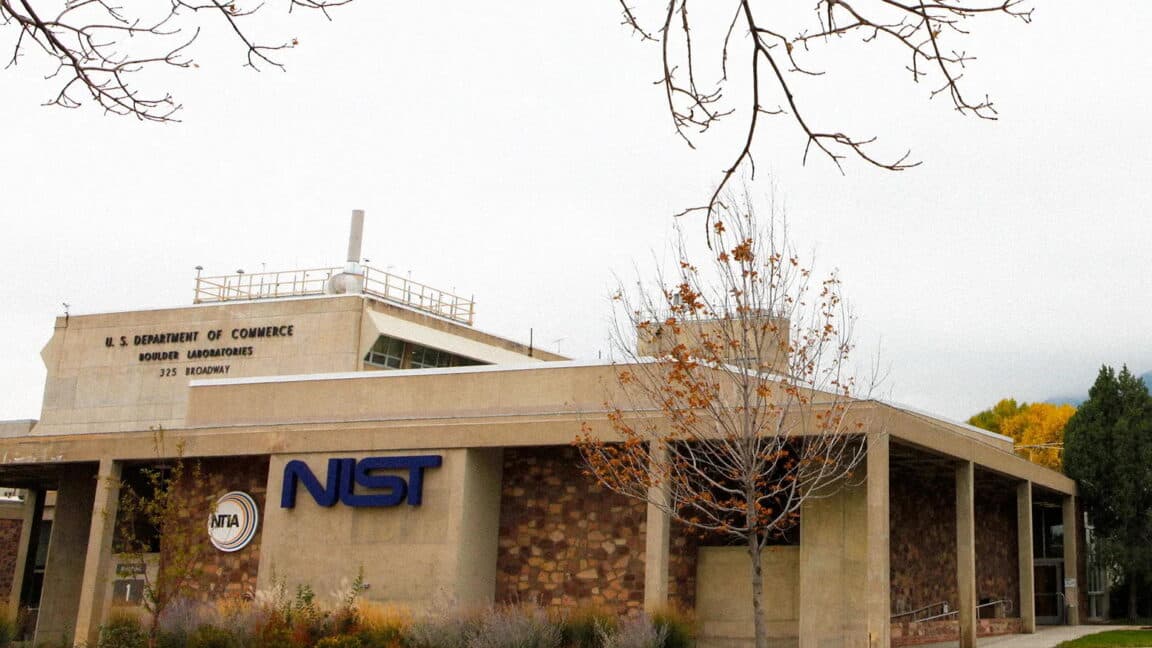

NIST's proposed restrictions on foreign-born researchers signal a fundamental shift from open collaboration to guarded isolationism in U.S. AI regulation. While no specific data point was provided in the source, the trend is clear: a three-year cap on international graduate students and postdocs—despite many requiring five to seven years to complete projects—will sever critical talent pipelines. For executives relying on NIST's AI safety guidelines and cybersecurity frameworks, this erosion of expertise translates directly into slower, less credible standards that favor large incumbents with resources to navigate regulatory complexity.
The End of Global Scientific Collaboration at NIST
NIST has long been a beacon of open science, attracting top talent worldwide to develop foundational standards in cybersecurity, AI, and quantum computing. The proposed measures—driven by national security concerns—threaten to dismantle this ecosystem. Lawmakers like Zoe Lofgren have warned that excluding foreign researchers will cost the U.S. vital expertise and erode trust in NIST's credibility. For the AI industry, which relies on NIST's AI Risk Management Framework and forthcoming guidelines, the loss of diverse perspectives could produce standards that are less robust and less globally accepted.
Strategic Winners and Losers
Winners: Large AI companies (OpenAI, Google, Microsoft) stand to gain disproportionate influence over standard-setting processes as smaller players and open-source communities are marginalized. These incumbents can shape regulations to favor proprietary models, creating moats against competition. NIST itself gains expanded authority and budget, but at the cost of long-term credibility.
Losers: The open-source AI community faces reduced ability to collaborate and contribute, potentially locking them out of compliance pathways. Small AI startups will bear higher compliance costs and lose access to standard-setting forums, stifling innovation. International partners may seek alternative standards bodies, fragmenting global AI governance.
Market Impact: Centralization vs. Decentralization
The shift from decentralized, open collaboration to centralized, government-led standard-setting mirrors broader protectionist trends. As NIST tightens access, other nations—particularly China and the EU—may accelerate their own standards development, creating a fragmented landscape. For multinational corporations, this means navigating multiple, potentially conflicting regulatory regimes, increasing compliance costs and slowing time-to-market.
Second-Order Consequences for AI Safety
AI safety research thrives on diverse inputs and rapid iteration. Restricting foreign talent at NIST could slow the development of critical safety benchmarks, leaving the U.S. less prepared to address emerging risks like adversarial attacks or bias. Moreover, the erosion of trust in NIST's impartiality may lead industry to look elsewhere for guidance, weakening the agency's influence just when coordinated action is most needed.
Outlook: What to Watch in the Next 30 Days
Executives should monitor: (1) Finalization of NIST's policy on foreign researcher caps; (2) Statements from other federal research agencies (NSF, DOE) signaling similar restrictions; (3) Announcements from China or the EU on competing AI standards initiatives; (4) Industry lobbying efforts to preserve open collaboration. Any acceleration of these trends will amplify the advantages of incumbents and increase regulatory fragmentation.
Bottom Line for Executives
The death of open collaboration at NIST is not just a policy shift—it is a strategic inflection point. Companies that invest now in shaping standards through direct engagement with NIST (and alternative bodies) will secure a competitive edge. Those that wait risk being locked out of the regulatory frameworks that will define AI markets for the next decade.
FAQ
The primary concern is that NIST's restrictive measures on international scientists, driven by national security, could lead to a loss of vital expertise, undermine U.S. innovation, and erode trust in NIST's credibility.
A proposed three-year cap on international graduate students and postdoctoral researchers, which is often insufficient for project completion, could deter foreign talent, stifle innovation, and potentially lead to a brain drain of critical scientific minds.
The long-term implications include a potential decline in U.S. scientific output and technological advancement, a loss of competitive edge in critical fields like AI and cybersecurity, and a broader trend of protectionism that undermines the global collaborative spirit essential for scientific progress.


