Amazon's Strategic Recalibration in India
Amazon is preparing to pull back from a key layer of its grocery delivery stack in India, abandoning its middle-ground grocery delivery service to focus exclusively on instant commerce. The company plans to wind down AmazonFresh's 4-24 hour delivery service in 10-15 major Indian cities while expanding AmazonNow's quick commerce service to these same markets. This pivot demonstrates how consumer behavior has shifted decisively toward instant gratification, with nearly 40% of online grocery sales now coming from quick commerce platforms. For executives, this signals that traditional e-commerce models built on scale and selection must adapt or risk irrelevance in urban markets where speed has become the primary competitive advantage.
The Structural Shift in Indian E-commerce
Amazon's move represents more than a simple service adjustment—it reveals a complete inversion of the e-commerce value proposition in urban India. For years, Amazon and Flipkart dominated through centralized warehousing, wide selection, and larger order values that justified logistics costs. Quick commerce flips this equation entirely, prioritizing proximity, speed, and frequency over assortment. The result is a polarized market structure where traditional e-commerce handles planned purchases while quick commerce captures impulse and immediate needs. This bifurcation creates distinct competitive arenas with different economics, customer expectations, and operational requirements.
Competitive Dynamics and Market Implications
The battle for India's urban consumers has shifted from selection wars to speed wars. Established quick commerce players like Blinkit, Zepto, and Swiggy Instamart have built dense networks of neighborhood warehouses enabling 10-20 minute deliveries. Amazon's entry into 10-15 new cities with AmazonNow represents a significant escalation, bringing its massive logistics capabilities and customer base to bear on this high-frequency segment. Research indicates this has already triggered a price war, with discounts and promotions increasing across platforms. The competition is no longer just about logistics efficiency but about pricing, assortment expansion, and customer retention in a market where loyalty is measured in minutes rather than months.
Operational and Financial Implications
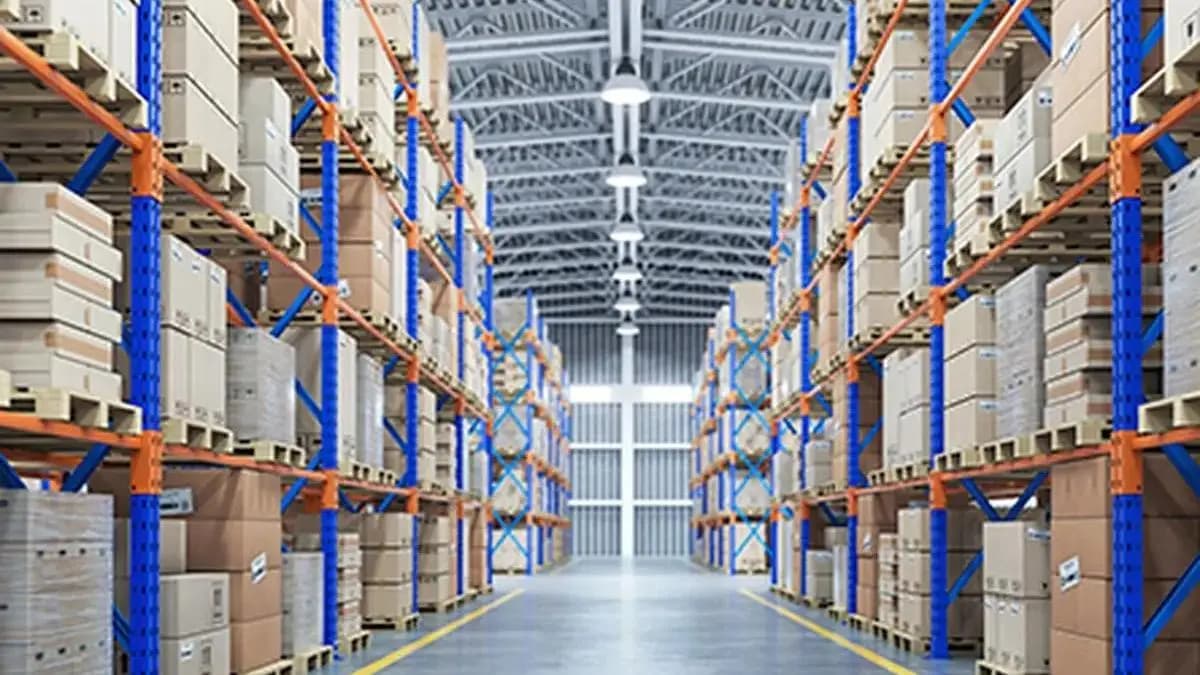
Amazon's strategic pivot carries significant operational implications. The company must now manage two distinct logistics networks: its national shipping infrastructure for planned purchases and the dense urban dark store networks required for quick commerce. This dual approach requires different capital allocation, operational expertise, and customer acquisition strategies. Financially, quick commerce typically involves lower average order values but higher frequency, creating different unit economics that must be optimized. Amazon's ability to leverage its existing customer relationships and payment infrastructure could provide an advantage, but execution risk during the transition period remains substantial.
Consumer Behavior and Market Evolution
The rapid adoption of quick commerce reflects a fundamental change in how urban Indians shop for groceries. Instead of weekly planning and large basket purchases, consumers now place multiple small orders throughout the week. This shift from stock-up to top-up shopping creates different patterns of engagement, with quick commerce platforms becoming daily utilities rather than occasional shopping destinations. Amazon's pivot acknowledges that in India's largest cities, the question is no longer whether a product can be delivered the same day but whether it can arrive within minutes. This expectation reset will likely spread to other product categories beyond groceries, creating ripple effects throughout Indian retail.
Strategic Winners and Losers
The clear winners in this shift are urban consumers who gain access to faster delivery options and increased competition among providers. AmazonNow stands to benefit from expanded reach and focused resource allocation, while Amazon's logistics partners may see increased volume from optimized operations. The losers include AmazonFresh customers who lose their 4-24 hour delivery option, traditional grocery retailers facing intensified competition, and any e-commerce player unable to adapt to the speed imperative. The middle ground between scheduled and instant delivery is disappearing, creating a polarized market where companies must choose their position carefully.
Long-term Industry Implications
Amazon's strategic recalibration signals broader industry trends that will likely extend beyond India. The polarization between scale-optimized traditional e-commerce and speed-optimized quick commerce represents a new paradigm for retail logistics globally. Companies must now decide whether to compete on selection and price (traditional model) or proximity and speed (quick commerce model), as attempting both simultaneously creates operational complexity and diluted focus. This bifurcation will likely accelerate consolidation as players specialize in one model or the other, with hybrid approaches becoming increasingly difficult to sustain.
FAQ
Amazon is responding to fundamental consumer behavior shifts, with nearly 40% of online grocery sales now coming from quick commerce platforms that deliver in minutes rather than hours.
Amazon leverages its massive existing customer base, payment infrastructure, and logistics expertise, but must build dense urban dark store networks to compete on speed with established players.
The market is polarizing between traditional e-commerce focused on selection and scale versus quick commerce optimized for speed, creating distinct competitive arenas with different economics and customer expectations.
Execution risk during service transition, intense competition from established players, regulatory challenges in new markets, and the operational complexity of managing dual logistics networks.