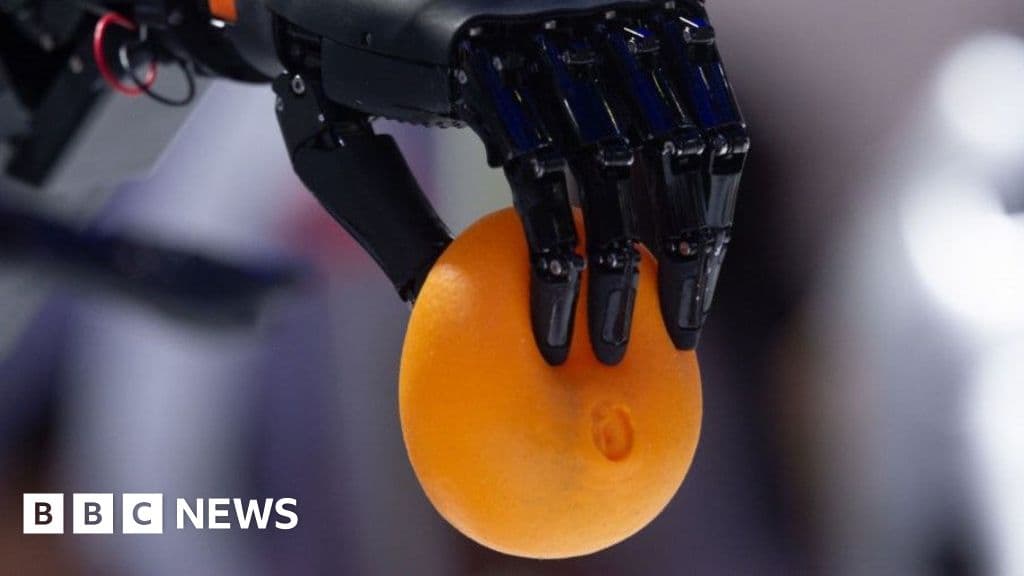

Disruption in the Robotics Sector: The Quest for Affordable Robotic Hands
The robotics industry stands at a pivotal juncture, particularly in the realm of prosthetics and robotic hands. As technology advances, the demand for affordable, durable robotic hands is surging, driven by a growing awareness of the potential benefits they offer in enhancing quality of life for individuals with disabilities. However, the market is confronted with significant challenges that hinder growth and scalability. The high costs associated with developing these advanced devices often limit accessibility, creating a paradox where cutting-edge technology remains out of reach for many who need it most.
Leading companies in the sector, such as Open Bionics and Touch Bionics, have made strides in creating innovative solutions that mimic natural hand movements. Yet, the complexity of materials, manufacturing processes, and the integration of advanced technologies like AI and machine learning complicate the path to affordability. The current landscape is characterized by a lack of standardized production techniques, which further drives up costs and limits the scalability of these solutions.
Moreover, the market is fragmented, with numerous players vying for dominance. This fragmentation can lead to inconsistent quality and performance across products, making it difficult for consumers and healthcare providers to make informed choices. As a result, while the total addressable market (TAM) for robotic hands is vast, estimated to reach billions in the coming years, the path to capturing this market remains riddled with obstacles.
Decoding the Technology and Business Moat Behind Robotic Hands
To understand the challenges of creating affordable robotic hands, it is essential to delve into the underlying technology and the business moats that can provide a competitive edge. The core technology behind robotic hands involves a combination of mechanical engineering, electronics, and software development. The integration of sensors, actuators, and control algorithms is crucial for achieving the dexterity and responsiveness needed for daily tasks.
Companies that have successfully navigated these complexities often leverage a unique business moat that includes proprietary technology, strong intellectual property (IP) portfolios, and strategic partnerships. For instance, Open Bionics has developed a unique 3D printing process that allows for rapid prototyping and customization of robotic hands, significantly reducing production costs. This approach not only enhances affordability but also provides a personalized experience for users, setting them apart in a competitive market.
Furthermore, the integration of AI and machine learning into robotic hands is emerging as a game-changer. By utilizing advanced algorithms, these devices can learn from user interactions, improving their functionality over time. This creates an unfair advantage for companies that can effectively harness these technologies, as they can offer products that adapt to the unique needs of each user, thereby enhancing user satisfaction and loyalty.
However, while these technological advancements are promising, they also require substantial investment in R&D. Companies must balance the need for innovation with the imperative to keep costs low, a challenge that often leads to difficult trade-offs. As a result, the ability to secure funding and forge strategic alliances becomes critical for sustained growth in this sector.
Strategic Implications: A Roadmap for Stakeholders
The implications of the current challenges in the robotic hand market extend beyond manufacturers to a wide array of stakeholders, including investors, healthcare providers, and end-users. For investors, the robotics sector presents a tantalizing opportunity, but it is essential to identify companies with a clear path to overcoming the affordability barrier. Startups that can demonstrate a scalable business model and a strong technological moat will likely attract significant interest.
Healthcare providers, on the other hand, must navigate a landscape where the availability of affordable robotic hands directly impacts patient care. As the technology matures, providers will need to advocate for policies that promote accessibility and reimbursement for these devices, ensuring that patients can benefit from advancements in robotic technology.
End-users, particularly individuals with disabilities, stand to gain the most from advancements in this field. As affordability improves, the potential for increased independence and improved quality of life becomes a reality. However, users must remain informed about the options available, as the market continues to evolve rapidly.
In conclusion, while the challenges in creating affordable robotic hands are significant, the opportunities for disruption and growth are equally compelling. Companies that can innovate while maintaining a focus on affordability will not only capture a significant share of the market but also drive positive social change. As we look to the future, the convergence of technology, strategic partnerships, and a commitment to accessibility will define the next wave of advancements in robotic hands.
FAQ
The primary challenge is the high cost of development and manufacturing, which limits accessibility for many individuals who could benefit from these devices, despite a vast and growing market potential.
Companies like Open Bionics are leveraging proprietary technologies such as advanced 3D printing processes for rapid prototyping and customization, which significantly reduces production costs and enhances personalization.
AI and machine learning enable robotic hands to learn from user interactions, improving functionality over time and adapting to individual needs. This creates a competitive advantage by enhancing user satisfaction and loyalty, though it requires substantial R&D investment.
Investors should focus on companies with scalable business models and strong technological moats that address affordability. Healthcare providers need to advocate for policies promoting accessibility and reimbursement to ensure patients can benefit from these advancements.