
The Global Energy Landscape: A Paradigm Shift
As the world grapples with climate change, China's commitment to reducing emissions by 7% by 2035 marks a pivotal moment in the global clean energy landscape. This ambitious target not only positions China as a leader in the clean energy sector but also sets a new benchmark for other nations. The implications of this commitment extend far beyond domestic borders, influencing global markets, energy policies, and investment flows.
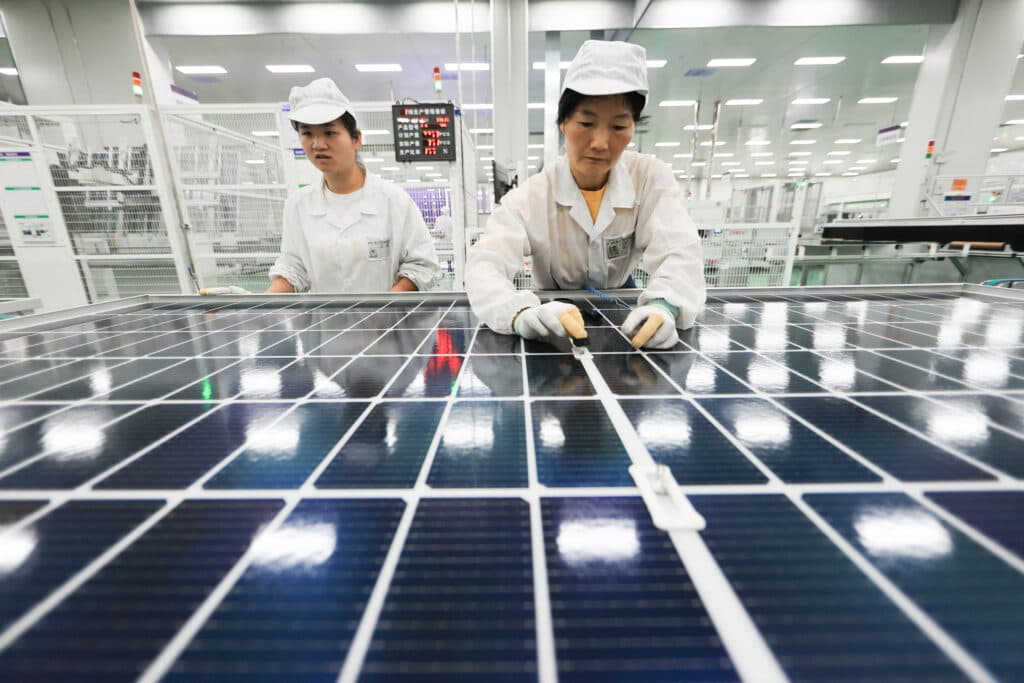
China, the world's largest emitter of greenhouse gases, has recognized the urgent need to transition to a low-carbon economy. The country has invested heavily in renewable energy technologies, including solar, wind, and hydroelectric power. As of 2023, China accounts for approximately 50% of global solar panel production and has become a dominant player in wind energy, with significant investments in offshore wind farms.
This commitment is not merely a response to international pressure; it is a strategic move to secure energy independence and economic growth. By leading the charge in clean energy, China aims to reduce its reliance on fossil fuels, stabilize its energy supply, and create new economic opportunities in emerging technologies.
Decoding the Clean Energy Mechanism: China's Technological Edge
At the core of China's clean energy surge is a sophisticated technological ecosystem that combines innovation, scale, and government support. The Chinese government has implemented a series of policies designed to foster the growth of the clean energy sector, including subsidies for renewable energy projects, tax incentives for electric vehicle manufacturers, and stringent regulations on fossil fuel consumption.
One of the key components of this ecosystem is the development of advanced energy storage solutions. Companies like CATL (Contemporary Amperex Technology Co., Limited) and BYD have emerged as leaders in battery technology, enabling the efficient storage of renewable energy. These advancements are crucial for addressing the intermittency issues associated with solar and wind power, ensuring a stable energy supply.
Furthermore, China's focus on electric vehicles (EVs) has catalyzed the growth of a robust supply chain. Major players such as Tesla, NIO, and Xpeng are not only competing in the domestic market but are also expanding their reach internationally. The Chinese government's support for EV infrastructure, including charging stations and battery swapping technologies, enhances the attractiveness of electric vehicles, further driving adoption.
Moreover, China's strategic investments in clean energy technologies extend to international partnerships and collaborations. The Belt and Road Initiative (BRI) has facilitated the export of Chinese renewable energy technologies to developing countries, positioning China as a key player in the global energy transition. This not only enhances China's geopolitical influence but also opens new markets for Chinese companies.
Strategic Implications: Stakeholder Perspectives in a Changing Energy Economy
The implications of China's clean energy surge are profound, affecting various stakeholders across the global economy. For multinational corporations, particularly those in the energy, automotive, and technology sectors, the shift towards clean energy presents both challenges and opportunities. Companies must adapt their business models to align with the growing demand for sustainable practices and products.
Investors are also taking note of China's commitment to clean energy. As global capital increasingly flows towards sustainable investments, companies that prioritize environmental, social, and governance (ESG) criteria are likely to attract more funding. This trend is evident in the rise of green bonds and sustainable investment funds, which are becoming essential tools for capital allocation.
For governments and policymakers, China's leadership in clean energy necessitates a reevaluation of energy strategies. Countries must consider how to balance economic growth with environmental sustainability. This may involve revisiting regulatory frameworks, incentivizing renewable energy adoption, and fostering innovation in clean technologies.
Furthermore, the implications extend to consumers, who are increasingly prioritizing sustainability in their purchasing decisions. As awareness of climate change grows, consumers are more likely to support companies that demonstrate a commitment to reducing their carbon footprint. This shift in consumer behavior is driving companies to adopt more sustainable practices, further accelerating the transition to a clean energy economy.
In conclusion, China's commitment to reducing emissions by 7% by 2035 is not just a national goal; it is a strategic maneuver that will reshape the global energy landscape. As China continues to lead in clean energy technologies and policies, stakeholders across the spectrum must adapt to this new reality or risk being left behind.
FAQ
China's ambitious emission reduction target positions it as a leader in the clean energy sector, driving global markets, influencing energy policies, and attracting significant investment flows. This strategic move aims to secure energy independence and economic growth by reducing reliance on fossil fuels and creating new opportunities in emerging clean technologies.
China's clean energy surge is underpinned by advancements in solar and wind energy, coupled with leadership in battery technology (e.g., CATL, BYD) for energy storage, which addresses intermittency. The robust electric vehicle (EV) supply chain, supported by government infrastructure initiatives, further solidifies China's technological edge and market dominance.
Multinational corporations must adapt their business models to align with the growing demand for sustainable practices and products. Investors are increasingly prioritizing ESG criteria, making companies focused on clean energy more attractive for capital allocation, evidenced by the rise of green bonds and sustainable investment funds.
Governments and policymakers need to re-evaluate their national energy strategies, balancing economic growth with environmental sustainability. This involves revisiting regulatory frameworks, incentivizing renewable energy adoption, and fostering innovation in clean technologies to remain competitive and meet global climate goals.