The Current Landscape
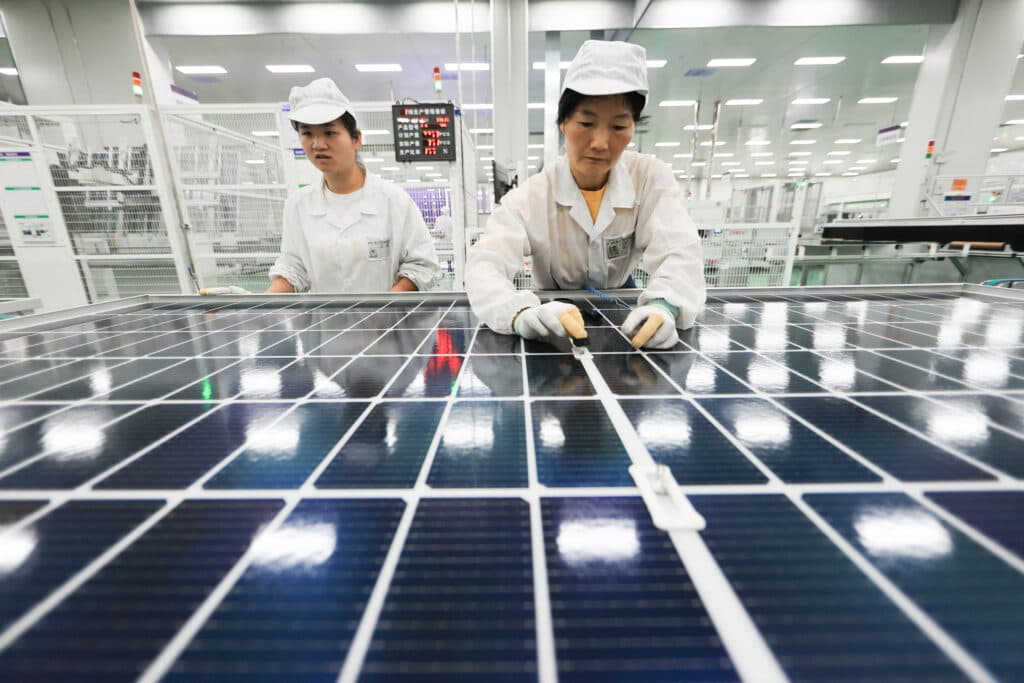
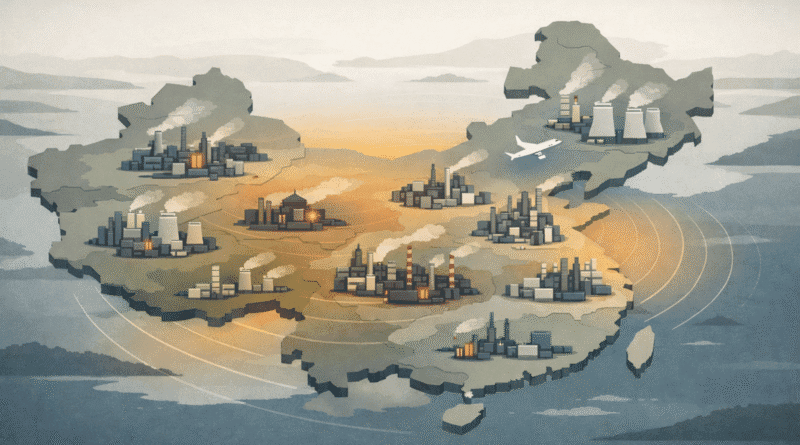
As of late 2023, the geopolitical landscape is increasingly defined by China's rapid ascent as a manufacturing superpower. Despite efforts from the previous U.S. administration under Donald Trump to curb China's influence through tariffs and trade restrictions, the reality is that China's manufacturing capabilities have only strengthened. The country has leveraged its vast labor pool, advanced technology, and expansive supply chains to dominate various sectors, including electronics, textiles, and machinery.
China's Belt and Road Initiative (BRI) has further enhanced its global reach, establishing trade routes and partnerships across Asia, Europe, and Africa. This ambitious project not only facilitates the export of Chinese goods but also positions China as a pivotal player in global logistics and infrastructure development. The strategic investments in foreign markets have allowed China to secure vital resources and create dependencies that bolster its economic influence.
Moreover, the COVID-19 pandemic has accelerated the shift towards digitalization and e-commerce, areas where Chinese companies like Alibaba and JD.com have thrived. These firms have capitalized on changing consumer behaviors, expanding their market share domestically and internationally. As a result, China's manufacturing sector is not just about traditional production; it is increasingly integrated with advanced technologies such as artificial intelligence, robotics, and the Internet of Things (IoT).
Technical & Business Moats
China's competitive advantages in manufacturing are multifaceted, creating significant barriers for potential challengers. Firstly, the scale of China's manufacturing ecosystem is unparalleled. With over 1.4 billion consumers, the domestic market provides a robust foundation for companies to achieve economies of scale. This scale is complemented by a sophisticated supply chain infrastructure that includes extensive logistics networks and a dense ecosystem of suppliers and manufacturers.
Technologically, China is investing heavily in innovation and R&D. Companies like Huawei and Tencent are at the forefront of developing cutting-edge technologies that enhance productivity and efficiency in manufacturing. For instance, Huawei's advancements in 5G technology are revolutionizing factory automation, enabling real-time data exchange and improved operational efficiency. This technological edge not only boosts productivity but also attracts foreign investment, further solidifying China's position as a manufacturing hub.
Additionally, the Chinese government plays a pivotal role in fostering this environment through policies that support industrial growth. Initiatives such as “Made in China 2025” aim to upgrade the manufacturing sector by promoting high-tech industries, including aerospace, robotics, and clean energy. These policies create a favorable landscape for innovation while establishing significant barriers for foreign competitors who may lack similar support from their governments.
Furthermore, China's ability to adapt and pivot in response to global market demands is a critical advantage. For instance, during the pandemic, many manufacturers quickly shifted their production lines to produce medical supplies, showcasing agility that is often lacking in Western counterparts. This adaptability not only meets immediate market needs but also strengthens relationships with global partners, enhancing China's reputation as a reliable supplier.
Future Implications
Looking ahead, China's rise as a manufacturing superpower will have profound implications for global markets. As Chinese companies continue to expand their influence, we can expect increased competition across various sectors, particularly in technology and consumer goods. This competition may lead to a re-evaluation of supply chains as companies seek to diversify their sources and reduce dependency on a single market.
Moreover, the geopolitical tensions between China and the U.S. are likely to intensify, prompting companies to reassess their strategies and risk exposure. As tariffs and trade policies fluctuate, businesses may need to invest in localizing their supply chains or exploring alternative markets to mitigate risks associated with reliance on Chinese manufacturing.
In addition, the global push for sustainability will shape manufacturing practices. As China continues to scale its operations, there will be increasing pressure to adopt environmentally friendly practices. This shift could create opportunities for companies that specialize in sustainable technologies and practices, positioning them favorably in a market that increasingly values corporate responsibility.
In conclusion, China's trajectory as a manufacturing superpower presents both challenges and opportunities for global businesses. Companies that can navigate this evolving landscape by leveraging technology, diversifying supply chains, and aligning with sustainability trends will be better positioned to thrive in the coming years.
FAQ
China's manufacturing dominance has strengthened through leveraging its vast labor pool, advanced technology, and extensive supply chains. Initiatives like the Belt and Road Initiative (BRI) have expanded its global reach and logistical influence, while digitalization and e-commerce growth, accelerated by the pandemic, have been capitalized on by major Chinese tech firms. This integrated approach, combining traditional production with AI, robotics, and IoT, has solidified its position.
China's competitive advantages include unparalleled manufacturing ecosystem scale, a sophisticated supply chain infrastructure, and significant investment in R&D and innovation (e.g., Huawei's 5G). Government policies like 'Made in China 2025' foster high-tech growth. Furthermore, their remarkable adaptability in shifting production to meet market demands, as seen during the pandemic, creates a resilient and agile manufacturing base that is difficult for competitors to replicate.
The implications include intensified competition, particularly in technology and consumer goods, potentially leading to supply chain diversification away from single-market reliance. Geopolitical tensions may escalate, necessitating risk reassessment and localized supply chain strategies. Additionally, the global push for sustainability will create opportunities for businesses that adopt environmentally friendly practices, influencing future manufacturing standards and market access.