
Context: The Global Green Hydrogen Shift
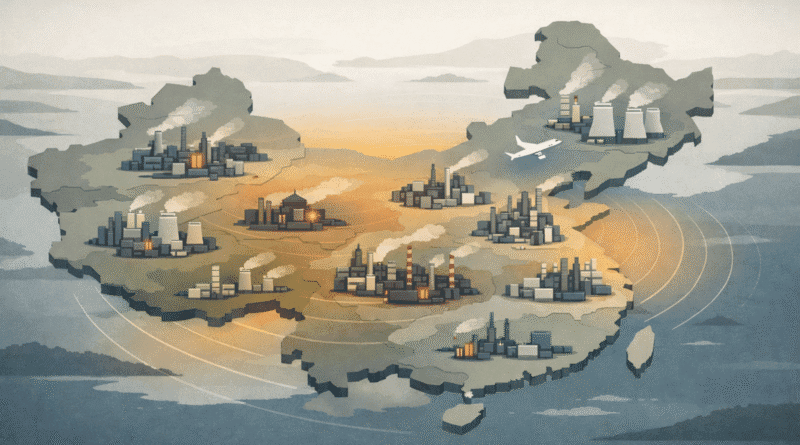
In March 2026, Chinese firm Sungrow Hydrogen announced back-to-back shipments of flexible green hydrogen systems to Oman, Italy, and Brazil, marking a significant expansion in its global footprint. This development occurs as the United States upholds a supportive policy framework for green hydrogen initiatives. Green hydrogen, produced through electrolysis powered by renewable energy, is pivotal for decarbonizing sectors such as fertilizer production, oil refining, and transportation. China's state-backed efforts include establishing a new R&D facility in Germany and forming partnerships, like with ACME Group in Oman, targeting the production of 100,000 metric tons of green ammonia annually by 2027, representing a $10.5 billion market opportunity.
Strategic Analysis: Core Implications and Power Dynamics
China's rapid progress in green hydrogen highlights a strategic move to dominate emerging markets. By capitalizing on manufacturing scale and renewable energy investments, Chinese companies offer cost-effective electrolyzer systems that meet international standards such as ASME and ISO 22734. This not only addresses urgent decarbonization needs but also fosters long-term supply chain dependencies. In contrast, the US, despite its supportive framework, must enhance coordination to avoid fragmentation, with projects like Duke Energy's solar-powered hydrogen test in Florida representing isolated advancements rather than a cohesive national strategy.
Winners and Losers
Chinese entities, including Sungrow Hydrogen and the government, are positioned to gain first-mover advantages in a global market projected at $10.5 billion. Partner nations like Oman, Italy, and Brazil benefit from accelerated energy transitions without bearing heavy R&D costs. The US and its industries, while supported by policies, face risks of lagging in market share if they fail to effectively implement initiatives, with startups such as Talusag and Electric Hydrogen requiring robust support to remain competitive.
Structural Shifts in Energy and Agriculture
China's initiatives are transforming the fertilizer industry, a major consumer of hydrogen. By exporting electrolysis systems for green ammonia production, China influences global food security and agricultural economics, reducing dependence on natural gas. Additionally, integrating green hydrogen with solar power and energy storage, exemplified by Italy's off-grid systems, establishes new benchmarks for renewable adoption, pressuring other countries to accelerate their efforts to avoid technological obsolescence.
Market Impact and Projections
The global green hydrogen market is set for substantial growth, with Chinese firms estimated to capture 45% of electrolyzer exports by 2030. Industries like steel, concrete, and transportation will experience faster decarbonization, but cost structures may shift due to Chinese pricing power. In the fertilizer sector, green ammonia production could mitigate price volatility linked to natural gas, though reliance on Chinese technology introduces new supply chain risks. The US market remains diverse, with projects such as Electric Hydrogen's e-fuels initiatives in Texas contributing to the landscape.
Second-Order Effects and Future Scenarios
Consolidating Chinese influence in green hydrogen may spur competitive responses from regions like Europe and India, leading to increased R&D investments and trade alliances. In the US, policy evolution could further strengthen hydrogen hubs, but delays might result in missed market opportunities. Fertilizer production costs could fluctuate as green ammonia scales, affecting global food prices. Advances in electrolyzer efficiency, such as research at the University of Illinois-Chicago, could challenge Chinese dominance if adopted widely, but timing is critical given China's head start.
Executive Actions for Decision-Makers
- Diversify supply chains by engaging with alternative green hydrogen providers in Europe or India to reduce over-reliance on Chinese technology.
- Invest in domestic R&D for electrolyzer efficiency and cost reduction, leveraging academic partnerships to develop competitive alternatives.
- Advocate for stable and enhanced US policies supporting green hydrogen hubs and incentives to secure a strong market position.
Conclusion: Strategic Imperatives
China's green hydrogen expansion represents a significant realignment in global energy geopolitics. While the US maintains a supportive framework, strategic action is essential to avoid dependency on foreign technology and secure leadership in decarbonization. Executives must prioritize diversification, innovation, and policy advocacy to navigate this evolving landscape and capitalize on emerging opportunities.
Rate the Intelligence Signal
Intelligence FAQ
Through aggressive state investment, cost-competitive electrolyzer exports, and strategic partnerships in key markets like Oman, Italy, and Brazil, while the US retreats under Trump's policy dismantling.
Increased dependency on Chinese technology for green hydrogen, higher costs if supply chains consolidate, and delayed decarbonization in critical sectors like fertilizer, steel, and transportation.
Diversify supply sources by engaging with European or Indian providers, invest in domestic R&D for alternative technologies, and advocate for supportive US policies to reduce reliance and secure competitive positioning.
 Spotify
 Apple
Apple Amazon
 YouTube