
Executive Summary
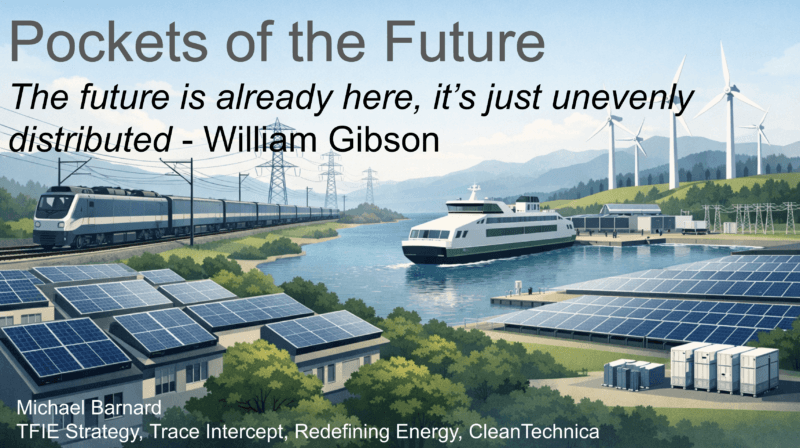
The global shift towards clean technologies is accelerating, presenting both opportunities and challenges for traditional fossil fuel sectors. As countries like Canada and Pakistan embrace innovative solutions such as mass timber construction and solar energy, the stakes for fossil fuel industries are rising. This transition not only reflects a growing commitment to sustainability but also signals a potential economic pivot that could redefine energy markets and industrial strategies worldwide. The tension lies in the juxtaposition of rapidly advancing clean tech against the backdrop of entrenched fossil fuel interests, raising questions about the future landscape of energy production and consumption.
Key Insights
- The presentation by Michael Barnard highlights several global 'pockets of the future' where clean technologies are scaling rapidly, including mass timber construction in Canada and solar energy in Pakistan.
- Mass timber offers significant advantages over traditional building materials, including reduced carbon emissions and lower construction costs as the industry scales.
- Pakistan has emerged as a leader in solar energy deployment, installing 17 gigawatts of solar panels, driven by favorable government policies and a lack of regulatory barriers.
- Africa is projected to significantly increase its solar capacity, leveraging demographic advantages and the African Continental Free Trade Area to enhance energy trade and cooperation.
- India is nearing complete electrification of its rail network, setting a precedent for efficient and sustainable freight transport.
Strategic Implications
Industry Dynamics
The clean technology sector is witnessing unprecedented growth, which poses both risks and opportunities for traditional fossil fuel industries. As countries invest in clean energy solutions, fossil fuel reliance may diminish, leading to potential market contractions for oil and gas companies. The rise of mass timber construction in Canada exemplifies how innovative materials can disrupt traditional building practices, offering a sustainable alternative that aligns with carbon reduction goals. This shift not only enhances the construction sector's sustainability profile but also presents a competitive edge for companies that adopt these practices early.
Investor Landscape
For investors, the transition to clean technologies signifies a shift in capital allocation. Investments in fossil fuel projects may face increasing scrutiny as the demand for sustainable solutions grows. The successful scaling of clean technologies, particularly in emerging markets like Pakistan and Africa, presents new investment opportunities. Investors who recognize and adapt to these trends can position themselves advantageously in a rapidly evolving market landscape. However, the risks associated with investing in fossil fuel assets are escalating, as regulatory frameworks tighten and public sentiment shifts towards sustainability.
Competitive Landscape
Competitors in the clean technology space are emerging not only from established players but also from innovative startups and international collaborations. Countries that effectively harness their natural resources and embrace technological advancements will likely lead the clean energy transition. For instance, Pakistan's rapid solar deployment showcases how government policies can catalyze industry growth, while Africa's demographic advantages and trade agreements position it as a potential clean energy powerhouse. Competitors must remain agile and responsive to these developments to maintain relevance in the changing energy landscape.
Policy Considerations
Policymakers play a crucial role in shaping the future of energy production and consumption. The examples of mass timber in Canada and solar energy in Pakistan underscore the importance of supportive regulatory environments that encourage innovation and investment in clean technologies. As countries grapple with climate change and energy security, the need for coherent policies that promote renewable energy adoption becomes paramount. Policymakers must prioritize frameworks that facilitate the transition to clean energy while addressing the economic implications for fossil fuel-dependent regions.
The Bottom Line
The rapid advancement of clean technologies is reshaping the energy landscape, creating both challenges and opportunities for traditional fossil fuel sectors. Countries that embrace innovation and sustainability will likely emerge as leaders in the global energy transition. The tension between clean tech and fossil fuels signals a critical juncture in energy policy and investment strategies, necessitating a proactive approach from industry stakeholders and policymakers alike. As the future unfolds, the question remains: who will lead the charge towards a sustainable energy future?
FAQ
- What are the key drivers behind the rise of clean technologies? The rise of clean technologies is driven by government policies, market demand for sustainable solutions, and advancements in technology that reduce costs and improve efficiency.
- How is mass timber construction impacting the building industry? Mass timber construction is revolutionizing the building industry by offering a sustainable alternative to traditional materials, reducing carbon emissions, and lowering construction costs.
- What role do emerging markets play in the clean energy transition? Emerging markets are pivotal in the clean energy transition, as they often have fewer entrenched fossil fuel interests and can rapidly adopt innovative solutions like solar energy.
- How can investors capitalize on the clean technology boom? Investors can capitalize on the clean technology boom by identifying and funding innovative companies and projects that align with sustainability goals and market trends.
- What policy measures are essential for supporting clean energy growth? Essential policy measures include creating supportive regulatory environments, incentivizing clean technology adoption, and investing in infrastructure that facilitates the transition to renewable energy sources.
Source: CleanTechnica