
The End of Affordable Energy
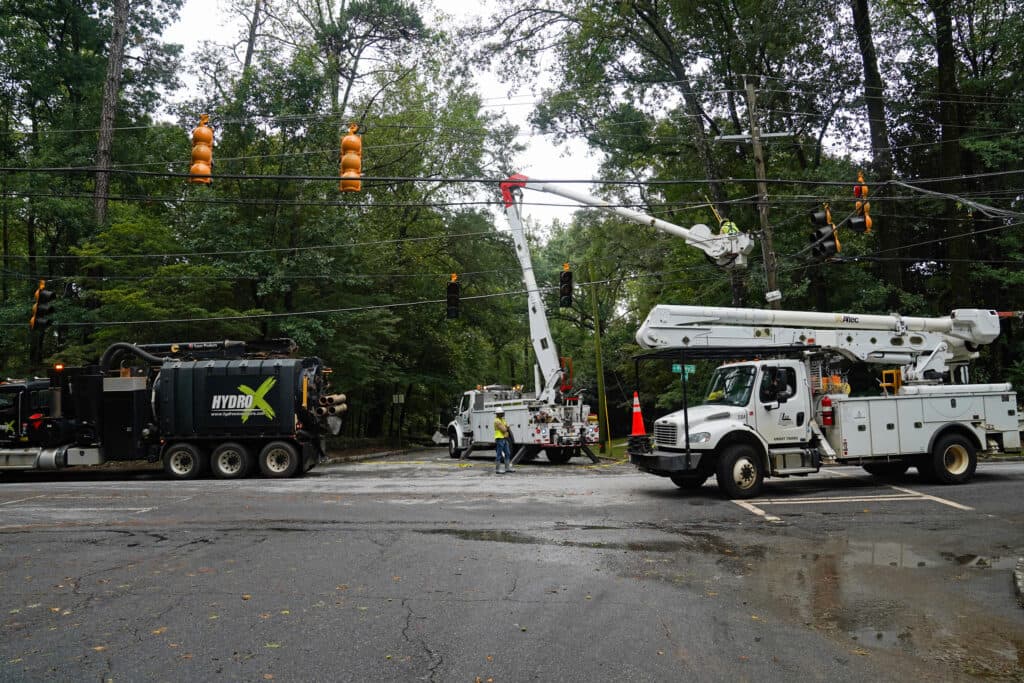
As climate change escalates, the financial burden of extreme weather events is shifting directly onto consumers, exemplified by Georgia Power's recent request for $912 million in storm recovery costs. This shift marks a critical juncture in how utilities manage climate risks and their implications for energy pricing. The request, submitted to the Georgia Public Service Commission (PSC), highlights the rising costs associated with climate-driven disasters, particularly following Hurricane Helene, which devastated Georgia in September 2024.
The Rise of Climate-Driven Utility Costs
Georgia Power's proposal to recover nearly a billion dollars from customers over the next four years underscores a troubling trend: the increasing frequency and intensity of storms directly linked to climate change. With Helene causing unprecedented damage and outages, the utility seeks to replenish its storm reserve fund, a move that could add approximately $4.42 to the monthly bills of average customers. This charge comes on the heels of a PSC-approved expansion plan for new natural gas plants, which could emit significant greenhouse gases—further contributing to the very climate issues that are driving up costs.
2030 Outlook: A New Economic Reality
By 2030, the economic landscape for energy consumers in Georgia—and potentially across the nation—will likely be characterized by higher utility bills directly correlated with climate-related expenses. The request for recovery costs is not an isolated incident; it follows similar claims from previous storms, such as Hurricane Ian and Hurricane Idalia, where climate change exacerbated rainfall and wind speeds. As these patterns persist, the financial implications for consumers will become increasingly pronounced.
Regulatory Challenges and Consumer Impact
The regulatory process surrounding Georgia Power's request will be closely scrutinized, with a final decision expected in May. Advocates argue that the utility must adopt a proactive approach to account for climate risks in its long-term energy planning. The current model, which allows for the passing of storm recovery costs onto consumers, raises questions about the sustainability of such practices. As climate-fueled disasters become more common, the expectation for utilities to absorb some of these costs may grow.
Shifting Responsibilities: The Role of Utilities
Georgia Power's decision not to pursue insurance claims to offset storm damage further complicates the narrative. Instead of seeking external financial relief, the utility is opting to rely on its customers. This decision reflects a broader trend in which utilities may prioritize immediate recovery over long-term sustainability. The implications for consumers are clear: as utilities grapple with the costs of climate change, customers will bear the brunt of these financial decisions.
Conclusion: A Call for Strategic Change
As we move forward, it is imperative for both regulators and utilities to rethink their strategies in light of climate realities. The growing toll of extreme weather demands a reevaluation of how costs are managed and shared. Without significant changes, consumers can expect to see a continued rise in their energy bills, driven by the escalating impacts of climate change.
FAQ
The primary driver is the escalating frequency and intensity of extreme weather events, directly linked to climate change, which have caused unprecedented damage and outages, necessitating the replenishment of the utility's storm reserve fund.
Georgia Power's proposal to recover these costs over the next four years could lead to an approximate increase of $4.42 on the monthly bills of average customers.
This approach signifies a trend where utilities are increasingly passing on climate-driven disaster costs directly to consumers, potentially leading to consistently higher energy bills in the future as extreme weather events become more common and severe.
There is a call for both regulators and utilities to fundamentally rethink their strategies for managing and sharing costs. This includes adopting a more proactive approach to climate risk in long-term energy planning and potentially exploring models where utilities absorb a greater portion of these climate-related expenses rather than solely relying on customer payments.