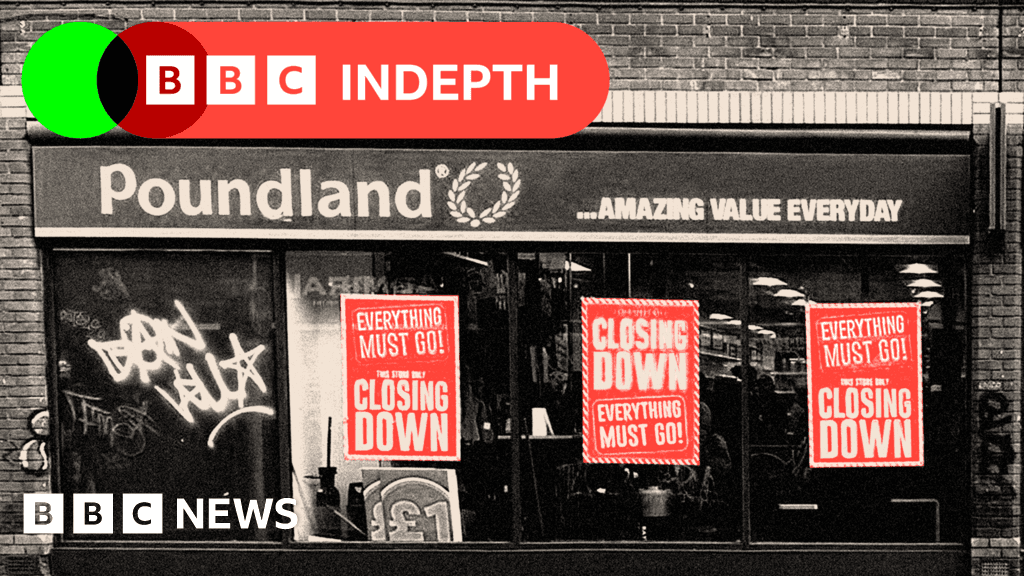

The Single-Price Model Under Siege
The cost of living crisis was supposed to be a tailwind for budget retailers. Instead, it has exposed deep vulnerabilities in the sector. Poundland, a once-dominant player, has closed over 100 stores since the summer—a stark indicator that rising demand for low-cost goods does not guarantee success. The core issue: a rigid single-price model that cannot absorb cost inflation without breaking its value promise.
Why Poundland Is Losing Ground
Poundland's drift from its £1 anchor has confused consumers. Introducing higher-priced items diluted the brand's clarity, while competitors like B&M and Home Bargains offer flexible pricing that adapts to cost pressures. The result: Poundland loses on both ends—higher prices alienate core customers, yet margins remain squeezed. The store closures are a symptom of a strategic identity crisis.
Who Gains From the Turmoil?
Agile discounters with multi-price strategies are the clear winners. Chains like The Range and Home Bargains continue to expand, capturing market share from Poundland's retreat. Online platforms like TikTok Shop and ultra-cheap Chinese retailers (Shein, Temu) are also reshaping consumer expectations, forcing traditional budget stores to compete on convenience and assortment, not just price.
The Margin Squeeze: A Structural Problem
Rising operational costs—rent, wages, supply chain—hit budget retailers hardest. With razor-thin margins, any increase must be passed on or absorbed. Poundland's single-price model leaves no room for adjustment without breaking the brand promise. Competitors with tiered pricing can shift mix toward higher-margin items, preserving profitability. This structural disadvantage will persist as long as inflation remains elevated.
Strategic Missteps and Lessons
Poundland's attempt to move upmarket was a strategic error. Budget shoppers are highly price-sensitive and value clarity. The introduction of multi-price ranges confused the value proposition. A return to a simplified, low-price core—combined with a limited selection of higher-margin items—could stem the decline. However, execution is critical: any price increase must be justified by clear quality improvements.
Consolidation Ahead
The budget retail sector is ripe for consolidation. Weaker players like Poundland may be acquired or forced to shrink further. Stronger operators with flexible models and efficient supply chains will dominate. Private equity may see value in distressed assets, but turnaround success is uncertain. Executives should monitor M&A activity as a signal of sector health.
What Executives Should Do Now
For budget retailers: diversify pricing models, invest in online channels, and streamline operations to protect margins. For investors: avoid single-price model stocks unless they show clear adaptation. For suppliers: renegotiate terms with vulnerable retailers and seek exposure to stronger discounters. The next 12 months will separate winners from losers in this sector.
FAQ
The cost of living crisis is creating a bifurcated market. While demand for low-cost shopping is high, traditional budget retailers like Poundland are struggling due to rising operational costs, intensified competition from agile online players (e.g., TikTok Shop, Shein, Temu), and strategic missteps like diluting their core value proposition. This makes them vulnerable to losing market share and facing store closures.
Established budget retailers face a dual threat: increasing operational costs (including employer costs and inflation) are shrinking already tight margins, while changing consumer behavior, driven by price-savvy shoppers leveraging technology and the rise of ultra-cheap online retailers, is eroding their competitive edge and brand loyalty.
To thrive, budget retailers must adapt by returning to a clear, focused value proposition, streamlining operations to combat rising costs, and innovating to meet evolving consumer expectations. Successful players like The Range and Home Bargains demonstrate the importance of adaptability and strategic focus in capitalizing on market shifts.
The budget retail landscape is likely to see consolidation. Stronger, more adaptable players will emerge and expand, while weaker retailers that fail to innovate or maintain strategic focus may falter or be acquired. Survival and growth will depend on operational efficiency and a keen understanding of consumer behavior shifts.