
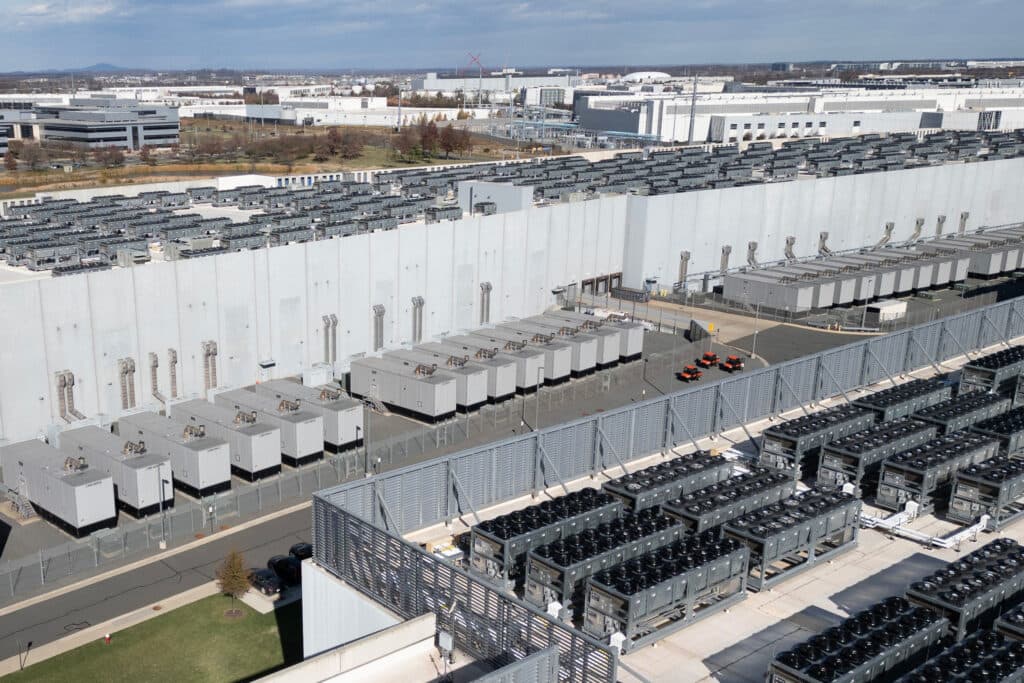

The Hidden Mechanism Behind Virginia's Data Center Tax Exemption
Virginia's recent legislative move to extend tax exemptions for data centers is a strategic play that intertwines economic growth with environmental responsibility. The focus keyword, "data center tax exemption," is pivotal as the state navigates the complex relationship between economic incentives and renewable energy commitments.
Inside the Machine: What the Exemption Entails
The Virginia House of Delegates passed House Bill 897, which continues tax exemptions for data centers that invest at least $150 million and create a minimum of 50 jobs. This exemption, which could be worth $1.9 billion by 2025, is crucial for the state's $74 billion budget. However, it comes with stringent conditions aimed at curbing fossil fuel dependency. Data centers must transition to renewable energy sources, phase out diesel backup generators, and improve energy efficiency to maintain their tax benefits.
The Economic Implications: A Double-Edged Sword
While the data center industry has been a boon for Virginia, contributing significantly to local tax revenues and job creation, it also poses challenges. The heavy energy consumption of these facilities has led to increased residential electricity bills and necessitated costly grid upgrades. The proposed legislation aims to mitigate these issues by ensuring that future data centers align their energy needs with clean sources.
What They Aren't Telling You: The Environmental Costs
Despite the push for renewable energy, the reliance on natural gas plants, such as the proposed 944-megawatt facility in Chesterfield County, raises concerns. This plant, with a projected cost of $8 billion over its lifetime, could lead to significant emissions and health impacts, including an estimated 80 premature deaths. Critics argue that a shift to clean energy for data centers could eliminate the need for such fossil fuel infrastructure.
The Industry's Response: A Balancing Act
Pushback from the data center industry highlights a tension between economic incentives and environmental responsibilities. Industry representatives express concern over the feasibility of transitioning to renewable energy within the timeline set forth by the legislation. They argue that the existing tax exemption has been a critical factor in 90% of data center investments in Virginia, and any changes to the terms could deter future growth.
Strategic Considerations for Stakeholders
As negotiations continue, stakeholders must consider the long-term implications of the tax exemption strategy. The bill's requirements could serve as a model for other states, influencing how data centers operate nationally. However, if not managed carefully, the balance between economic growth and environmental stewardship could tip, leading to increased scrutiny from both the public and regulatory bodies.
Potential Outcomes: A Fork in the Road
The future of Virginia's data center tax exemption hinges on the outcomes of ongoing negotiations and legislative discussions. With competing bills and differing opinions on how to allocate costs for grid upgrades, the path forward remains uncertain. The state's approach could either solidify its position as a leader in data center operations or create friction that stifles growth.
FAQ
Virginia's strategy aims to balance economic growth with environmental responsibility by extending tax exemptions for data centers that invest at least $150 million and create 50 jobs. Key conditions require data centers to transition to renewable energy, phase out diesel generators, and improve energy efficiency to maintain these benefits, which are projected to be worth $1.9 billion by 2025.
The policy offers significant economic benefits through substantial investment and job creation, contributing to Virginia's budget. However, it also presents drawbacks, including increased residential electricity costs and the need for costly grid upgrades due to the high energy consumption of data centers.
Despite the push for renewables, concerns exist about the continued reliance on fossil fuels, such as natural gas plants like the proposed Chesterfield facility. Critics argue that these plants contribute to significant emissions and health impacts, and that a full transition to clean energy for data centers could eliminate the need for such infrastructure.
The data center industry has expressed concern that the new terms, particularly regarding the transition to renewable energy, may not be feasible within the given timelines. Given that the existing tax exemption has driven 90% of data center investments, changes to these terms could deter future growth and investment in Virginia.


