
The End of Price-Point Value Marketing
As we approach 2030, the fast-food industry is witnessing the end of traditional price-point value marketing. The focus is shifting towards a multifaceted approach that integrates cultural relevance, innovation, and strategic pricing. According to recent insights from Marketing Dive, chains like McDonald’s, Burger King, and Wendy’s are adapting to a landscape where mere affordability is no longer sufficient to drive sales and traffic.
The Rise of Cultural Relevance
Fast food giants are increasingly leveraging pop culture and nostalgia to engage consumers. McDonald’s, for instance, has successfully executed campaigns tied to major cultural events, such as its collaboration with the “Minecraft Movie,” which spanned over 100 markets. This strategy not only attracted customers but also showcased McDonald’s ability to tap into cultural moments at scale, reinforcing its market dominance.
Strategic Innovation as a Growth Driver
In the current economic climate, characterized by consumer uncertainty, fast-food chains are compelled to innovate continuously. McDonald’s CEO Chris Kempczinski emphasized the need for a balanced strategy: compelling value, breakthrough marketing, and innovative menu offerings. This holistic approach is essential for maintaining growth, particularly as competition intensifies.
Quarterly Growth and Market Share Dynamics
Fast food chains are reporting varying degrees of success in their quarterly growth. McDonald’s reported a 5.7% growth in comparable sales for Q4 2025, while Burger King saw a modest 2.6% increase. In contrast, Wendy’s faced a decline, with systemwide sales down 8.3% in Q4. This disparity highlights the importance of effective marketing and operational strategies in capturing market share.
Engagement through Direct Consumer Feedback
In a bold move, Burger King has introduced a direct line of communication with its customers, allowing them to provide feedback directly to the chain’s president. This initiative not only fosters consumer engagement but also aligns with the brand’s commitment to innovation and responsiveness, crucial for long-term sustainability.
Nostalgia as a Marketing Tool
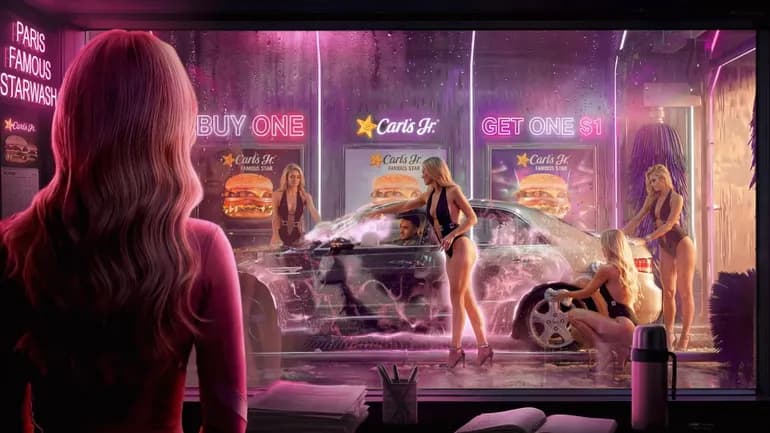
Challenger brands are also capitalizing on nostalgia to drive engagement. Carl’s Jr. recently revived its iconic marketing style featuring Paris Hilton, merging past and present in a way that resonates with consumers. This approach underscores the effectiveness of nostalgia in appealing to both older and younger demographics.
Future Trends and Strategic Implications
Looking ahead, QSRs must adapt to macro-trends that prioritize cultural relevance and innovation over traditional pricing strategies. The ability to create meaningful connections with consumers through targeted marketing and engaging campaigns will be paramount. As the industry evolves, brands that can successfully integrate these elements will likely capture greater market share and achieve sustainable growth.
FAQ
QSRs are shifting from price-point value marketing to a multifaceted approach that integrates cultural relevance, innovation, and strategic pricing. This involves leveraging pop culture, nostalgia, and breakthrough marketing to engage consumers and drive growth, as affordability alone is no longer sufficient.
Cultural relevance and nostalgia are key drivers for engagement. Brands like McDonald's are using collaborations with major cultural events (e.g., 'Minecraft Movie'), while others like Carl's Jr. are reviving iconic past marketing styles. This strategy appeals to a broad demographic by creating meaningful connections.
Innovation is crucial for growth. QSR leaders are focusing on a balanced strategy that includes compelling value, breakthrough marketing, and innovative menu offerings. This proactive approach is essential for maintaining market share and adapting to intensified competition.
Direct consumer feedback, as exemplified by Burger King's initiative, fosters deeper customer engagement and demonstrates a commitment to responsiveness and innovation. This direct line of communication is vital for long-term brand sustainability and adapting to evolving consumer needs.