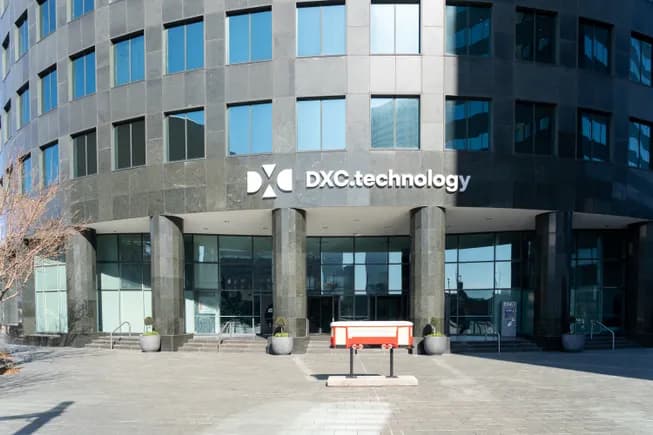

The AI Integration Dilemma: A Landscape of Promises and Pitfalls
In the rapidly evolving landscape of enterprise technology, the integration of artificial intelligence (AI) tools into operational frameworks is often heralded as a panacea for inefficiencies. DXC Technology, a global IT services provider, has recently announced its collaboration with Amazon Web Services (AWS) to deploy AI agents aimed at enhancing client services. While the intention behind this integration is to improve operational efficiency and return on investment (ROI), it is imperative to scrutinize the broader implications of such a partnership.
At the heart of this initiative lies a critical question: can the promises of AI truly translate into tangible benefits for enterprises, or are we merely witnessing a marketing facade? The industry is rife with examples where AI implementations have led to increased complexity, vendor lock-in, and significant technical debt. As organizations rush to adopt AI solutions, they must navigate a landscape fraught with challenges, including the risk of over-reliance on specific vendors, the potential for increased latency in service delivery, and the long-term implications of accumulating technical debt.
Moreover, the integration of AI tools into existing infrastructures raises concerns about compatibility and scalability. Many organizations have invested heavily in legacy systems that may not seamlessly interact with new AI technologies. This incompatibility can result in increased operational latency, ultimately undermining the very efficiencies that AI is supposed to deliver. As DXC embarks on this journey with AWS, stakeholders must remain vigilant about these potential pitfalls.
Unpacking the Technology: The Mechanics Behind AI Deployment
To understand the implications of DXC's integration of AWS AI tools, it is essential to dissect the underlying technology stack and the mechanisms that drive these AI solutions. AWS offers a suite of AI services, including machine learning frameworks, natural language processing, and automated decision-making tools. However, the effectiveness of these tools is contingent upon the quality of data and the robustness of the existing IT infrastructure.
One of the critical components of AWS's AI offerings is Amazon SageMaker, a platform that enables developers to build, train, and deploy machine learning models at scale. While SageMaker provides a powerful toolkit for AI development, it also introduces a layer of complexity that organizations must manage. The reliance on AWS's proprietary tools can create a dependency that is difficult to extricate from, leading to vendor lock-in. This scenario raises significant concerns about the long-term sustainability of such integrations, especially for organizations that may find themselves unable to pivot to alternative solutions without incurring substantial costs.
Additionally, the deployment of AI agents often necessitates a reconfiguration of existing workflows. Organizations must ensure that their data pipelines are optimized for real-time processing to minimize latency. However, many enterprises struggle with legacy systems that are ill-equipped to handle the demands of AI-driven applications. This misalignment can result in bottlenecks that negate the benefits of AI, leading to frustration among stakeholders and diminishing the anticipated ROI.
Furthermore, the introduction of AI tools can exacerbate existing technical debt. As organizations layer new technologies on top of outdated systems, they risk creating a convoluted architecture that is difficult to maintain and scale. This can lead to increased operational costs and a slower response to market changes, ultimately hindering an organization's competitive edge.
Strategic Implications: Navigating the Future of AI in Enterprise
The strategic outlook for stakeholders involved in DXC's partnership with AWS is multifaceted. For enterprise leaders, the promise of enhanced operational efficiency through AI integration is enticing. However, they must weigh these benefits against the potential risks of vendor lock-in and the accumulation of technical debt. Organizations should approach AI adoption with a critical mindset, ensuring that any new technology aligns with their long-term strategic goals and does not compromise their operational agility.
For IT decision-makers, the challenge lies in balancing innovation with risk management. It is crucial to establish a robust governance framework that includes regular assessments of the technology landscape and an understanding of the implications of vendor dependencies. Organizations should also prioritize building a flexible architecture that can accommodate future technological advancements without being tethered to a single vendor.
Moreover, the integration of AI tools should not be viewed as a one-time initiative but rather as an ongoing journey. Continuous monitoring and optimization of AI deployments are essential to ensure that they deliver the expected benefits. This includes investing in training and development for staff to effectively leverage AI capabilities and mitigate the risk of operational latency.
In conclusion, while DXC's collaboration with AWS presents an opportunity for enhanced client services through AI, it is imperative for stakeholders to approach this integration with a critical lens. The potential for increased complexity, vendor lock-in, and technical debt cannot be overlooked. Organizations must navigate these challenges strategically to harness the full potential of AI while safeguarding their operational integrity.
FAQ
The primary strategic risks include vendor lock-in due to reliance on AWS proprietary tools like SageMaker, potential for increased technical debt by layering AI on legacy systems, and operational latency that can negate efficiency gains. Executives should mitigate these by critically assessing AI alignment with long-term goals, establishing robust governance for regular technology landscape reviews, prioritizing flexible architectures, and viewing AI integration as an ongoing process requiring continuous monitoring and staff training.
Enterprises face the risk of increased complexity, potential vendor lock-in, and the accumulation of significant technical debt. Compatibility issues with legacy systems can lead to operational latency, undermining the intended benefits. A rush to adopt without strategic foresight can compromise operational agility and long-term sustainability.
IT decision-makers must establish a strong governance framework that includes regular assessments of the technology landscape and a clear understanding of vendor dependencies. Prioritizing the development of flexible IT architectures that can adapt to future advancements without being tied to a single vendor is crucial. Continuous monitoring and optimization of AI deployments are also essential to ensure ongoing value realization.