
Market Dynamics: The Surge in Private Jet Demand
Private jet manufacturers are witnessing a remarkable uptick in demand, particularly in the Asia-Pacific region. This surge is largely driven by the increasing number of ultra-high-net-worth individuals (UHNWIs), defined as those with assets exceeding $30 million. Between 2020 and 2025, this demographic has expanded by over 70%, creating an insatiable appetite for luxury air travel.
Inside the Machine: The Mechanics of Private Jet Sales
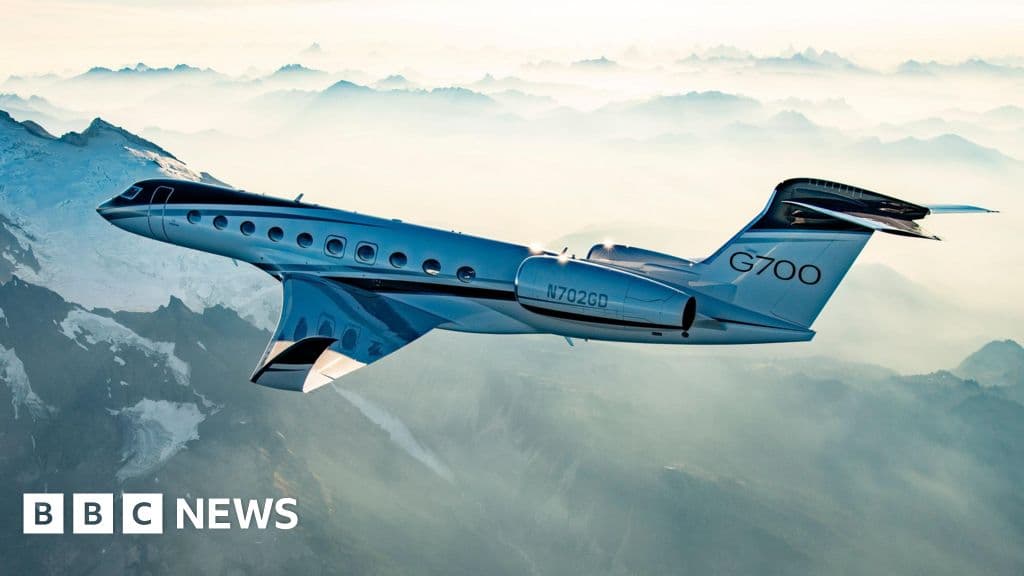
At the heart of this market boom is the shift in focus from mass commercial aviation to a niche clientele. Companies like Gulfstream and Dassault are not merely selling aircraft; they are selling efficiency and exclusivity. The Gulfstream G700, for instance, is designed with features that prioritize passenger comfort, such as improved cabin air pressure and reduced noise levels. This is not just about luxury; it’s about optimizing the travel experience for frequent flyers.
The Hidden Mechanism: Profitability in Private Aviation
While commercial airlines operate on thin profit margins—typically between 2% to 4%—private jet manufacturers thrive on high-value sales and ancillary services. Aircraft can cost tens of millions, but the real profitability lies in parts, maintenance, and support programs. This business model allows manufacturers to scale efficiently, even as they cater to a smaller customer base.
Geographic Focus: Asia's Growing Market Share
The Asia-Pacific region is emerging as a significant player in the private aviation sector. Reports indicate that international traffic in this area grew by 8% in 2025, surpassing the global growth rate of 6.8%. Countries like Vietnam, Indonesia, and Malaysia are becoming hotbeds for private jet sales, as they offer routes that larger airliners cannot service due to shorter runways. This trend highlights a strategic opportunity for manufacturers to capture market share in developing regions.
Environmental Concerns: The Other Side of Luxury
However, the industry faces scrutiny over its environmental impact. Critics argue that private jets are among the most carbon-intensive modes of transportation. Manufacturers like Gulfstream are attempting to counter this narrative by promoting their use of sustainable aviation fuel (SAF). Yet, the challenge remains: sourcing enough SAF is still a significant hurdle due to limited production and high costs.
Strategic Implications: The Future of Private Aviation
As the demand for private jets continues to grow, manufacturers must navigate the dual pressures of profitability and environmental responsibility. The focus on comfort and efficiency will likely remain paramount as companies strive to meet the needs of their elite clientele. The competitive landscape is fierce, with established players like Bombardier and Embraer also vying for market share. The question remains: can the industry balance luxury with sustainability without sacrificing growth?
FAQ
The primary driver is the rapid expansion of ultra-high-net-worth individuals (UHNWIs), who have grown by over 70% between 2020 and 2025. This demand is particularly strong in the Asia-Pacific region, with countries like Vietnam, Indonesia, and Malaysia showing substantial growth due to their unique route capabilities.
Private jet manufacturers achieve higher profitability through high-value aircraft sales and lucrative ancillary services such as parts, maintenance, and support programs. This contrasts with commercial airlines, which typically operate on much thinner profit margins.
Manufacturers must balance the growing demand for luxury and efficiency with increasing environmental scrutiny. Key strategies include focusing on passenger comfort and optimizing travel experiences, while also investing in and promoting sustainable aviation fuel (SAF) to address environmental concerns and maintain market competitiveness.