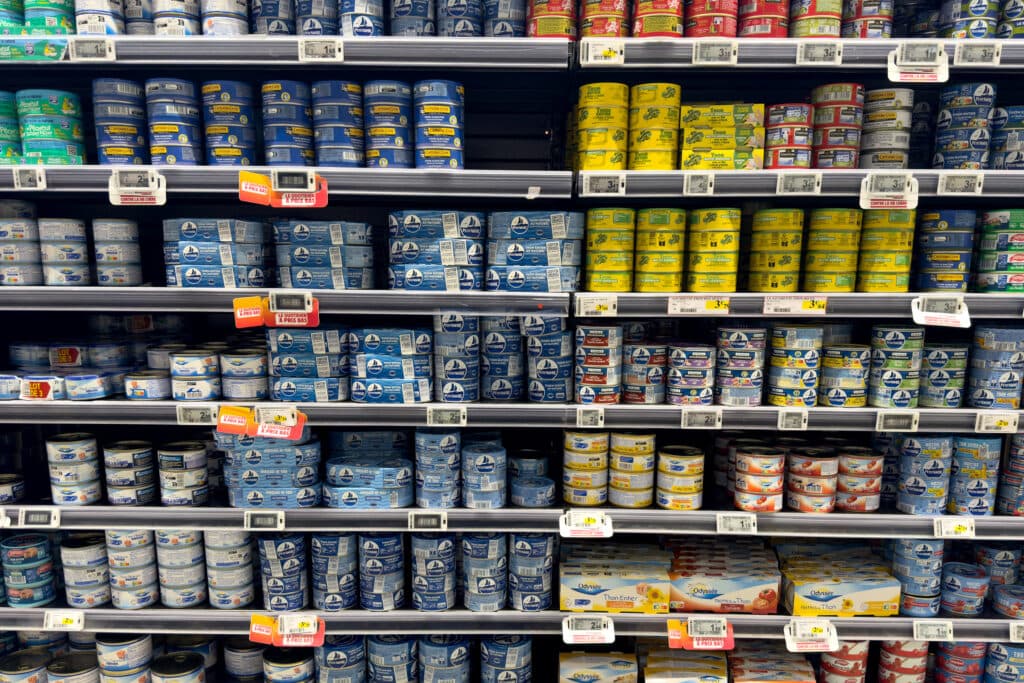

The Fish Fraud Epidemic: A $195 Billion Deception
Why is the global fishery and aquaculture industry, valued at $195 billion, riddled with deception? The uncomfortable truth is that up to 20% of fish products are mislabelled, a staggering statistic highlighted in a recent report by the United Nations Food and Agriculture Organization. This isn't just a minor oversight; it's a systemic failure that undermines consumer trust and threatens sustainability.
Stop Ignoring the Structural Weaknesses
Everyone is wrong to think that fish fraud is merely a problem of bad actors in developing countries. The report reveals that mislabelling is rampant even in sophisticated markets with robust regulatory frameworks. Less than 1% of fish imports in the U.S. undergo testing, suggesting that the issue is not just isolated incidents but rather a fundamental flaw in global supply chains.
Why Consumers Are Being Misled
Consumers are being duped in plain sight. From upscale sushi restaurants to casual roadside stands, the fish on your plate may not be what you think. The most common fraud? Substituting cheaper fish for more expensive varieties. Imagine paying a premium for wild-caught salmon only to receive farmed Atlantic salmon instead. This deception not only impacts your wallet but raises ethical concerns about sustainability and labor practices.
The Hidden Costs of Mislabelling
What’s at stake here? The report underscores that mislabelling can conceal illegal fishing practices, exceeding quotas, and the sale of endangered species. For instance, blue shrimp caught in protected waters are often sold under false pretenses, contributing to environmental degradation. The financial incentives for such fraud are enormous—farmed seabass can triple in value when mislabelled as local Italian catch. This is not just a crime against consumers; it’s a crime against the planet.
Health Risks: A Dangerous Game
Let’s not forget the health risks involved. Mislabelling can lead to consumers unknowingly ingesting harmful species. For example, over 60% of imitation crab sold in Los Angeles contained shark meat, exposing vulnerable populations to dangerous levels of mercury. This is not just a food safety issue; it's a public health crisis waiting to happen.
What Needs to Change?
The report offers a glimmer of hope through technology. Advanced testing methods, such as handheld X-ray devices and magnetic resonance assessments, could revolutionize how we verify seafood provenance. But will the industry adopt these innovations? Or will it continue to prioritize profit over integrity?
Consumer Power: The Key to Change
Here’s where you come in. The report suggests that consumer pressure can drive change, much like the successful dolphin-free tuna campaign. Ask questions when dining out: Where does your fish come from? How was it caught? It’s time to challenge the status quo and demand transparency.
FAQ
Fish fraud is a significant issue, with up to 20% of fish products being mislabelled globally. This deception, affecting a $195 billion industry, undermines consumer trust, threatens sustainability, and can conceal illegal fishing practices, the sale of endangered species, and pose public health risks due to potential consumption of harmful species.
No, sophisticated markets with robust regulatory frameworks are not immune. The article indicates that mislabelling is rampant even in these regions, suggesting a fundamental flaw in global supply chains rather than isolated incidents by 'bad actors' in developing countries. For instance, less than 1% of U.S. fish imports are tested.
The financial incentives for mislabelling are substantial, with cheaper fish often sold as premium varieties (e.g., farmed seabass as local Italian catch, potentially tripling its value). Environmentally, mislabelling can mask illegal fishing activities, exceeding quotas, and the sale of endangered or protected species, contributing to ecological degradation.
Mislabelling poses direct health risks by potentially exposing consumers to harmful species or those with high levels of contaminants like mercury. An example cited is imitation crab containing shark meat, which is particularly concerning for vulnerable populations.
Technology, such as advanced testing methods (e.g., handheld X-ray devices, magnetic resonance assessments), offers potential solutions for verifying seafood provenance. However, consumer pressure is highlighted as a critical driver for change, similar to the 'dolphin-free tuna' campaign. Consumers are encouraged to actively question seafood sourcing and demand transparency from businesses.