

Disruption in the Automotive Landscape: France's EV Market Dynamics
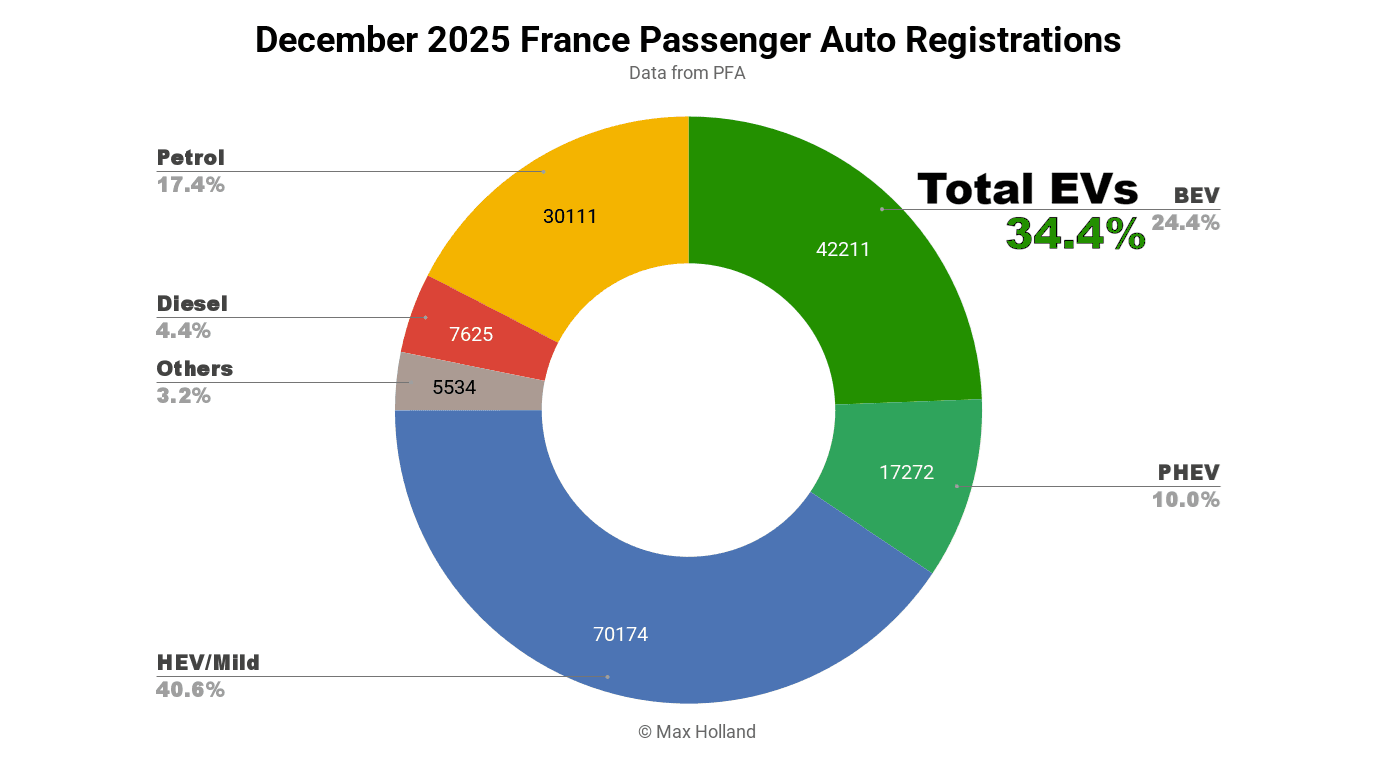
As of 2025, France's electric vehicle (EV) market has achieved a remarkable penetration rate of 26.7%, a figure that underscores the seismic shift occurring within the automotive industry. This growth is particularly noteworthy given the concurrent decline in total vehicle sales, indicating a significant change in consumer preferences and regulatory frameworks. The Renault 5 has emerged as a leader in this space, symbolizing not just a product but a strategic pivot for Renault, a historic French automotive manufacturer known for its innovation and adaptability.
Renault, founded in 1899, has long been a key player in the global automotive market. The company has faced numerous challenges over the years, from economic downturns to shifts in consumer behavior. However, the current surge in the EV sector presents both an opportunity and a challenge. As traditional combustion engine vehicles see a decline in sales, the transition to electric power is not merely a trend; it is a necessity driven by environmental regulations and changing consumer expectations.
The French government has implemented robust policies to promote EV adoption, including incentives for consumers and investments in charging infrastructure. This regulatory support is crucial in a market where consumer confidence in EV technology is still developing. The combination of government backing and innovative product offerings like the Renault 5 positions France as a potential leader in the European EV market.
Decoding the Renault 5: A Case Study in Strategic Innovation
The Renault 5 is not just another electric vehicle; it represents a strategic innovation that leverages both nostalgia and modern technology. By reviving a classic model, Renault has tapped into emotional branding while integrating cutting-edge EV technology. The vehicle features a compact design, competitive pricing, and a suite of technological advancements that cater to the modern consumer's needs.
Technologically, the Renault 5 is equipped with a state-of-the-art battery management system that maximizes range and efficiency. This is critical in addressing one of the primary consumer concerns regarding EVs: range anxiety. Furthermore, Renault has invested in scalable manufacturing processes that allow for rapid production adjustments in response to market demand. This flexibility is essential in a landscape characterized by rapid technological advancements and shifting consumer preferences.
Moreover, the Renault 5's success is underpinned by a robust supply chain strategy that emphasizes sustainability. By sourcing materials responsibly and focusing on circular economy principles, Renault not only adheres to regulatory requirements but also enhances its brand reputation among environmentally conscious consumers. This strategic approach is vital in a competitive market where consumers increasingly favor brands that demonstrate social responsibility.
Strategic Implications for Stakeholders: What Lies Ahead
The implications of France's burgeoning EV market extend beyond automotive manufacturers. For stakeholders across the spectrum—including investors, suppliers, and policymakers—the current landscape presents both challenges and opportunities. Investors should closely monitor the growth trajectories of companies like Renault, which are poised to capitalize on the EV trend. The automotive sector is rapidly evolving, and those who adapt quickly stand to gain significant market share.
For suppliers, particularly those involved in battery production and charging infrastructure, the demand for components will only increase as more consumers transition to electric vehicles. This presents an opportunity for strategic partnerships and investments in R&D to enhance product offerings and drive innovation.
Policymakers, on the other hand, must continue to foster an environment conducive to EV growth. This includes not only financial incentives but also investments in infrastructure to support the growing number of electric vehicles on the road. As cities and regions adapt to this new reality, the focus will shift toward creating sustainable urban environments that accommodate EVs.
Ultimately, the strategic outlook for France's EV market is positive, driven by a combination of consumer demand, regulatory support, and innovative product offerings. As the market matures, stakeholders must remain agile and responsive to macro-trends to fully capitalize on the opportunities presented by this transformative shift in the automotive industry.
FAQ
As of 2025, EVs have achieved a 26.7% market penetration in France. This significant growth, occurring alongside a decline in total vehicle sales, signals a fundamental shift in consumer preferences and highlights the necessity for automotive manufacturers to prioritize electric mobility due to evolving regulatory frameworks and consumer expectations.
Renault is strategically leveraging the Renault 5 by combining nostalgic brand appeal with advanced EV technology. This approach addresses consumer concerns like range anxiety through improved battery management and caters to modern demands with a compact, competitively priced vehicle. Furthermore, Renault's focus on scalable manufacturing and a sustainable supply chain enhances its competitive edge and brand reputation in the evolving EV landscape.
Investors should closely monitor companies like Renault that are well-positioned to capitalize on the EV trend, as the automotive sector undergoes rapid transformation. For suppliers, particularly in battery production and charging infrastructure, the increasing demand for components presents significant opportunities for strategic partnerships, R&D investment, and expansion to meet market needs.