

GameStop's $55.5 Billion eBay Bid: The Bitcoin Dilemma
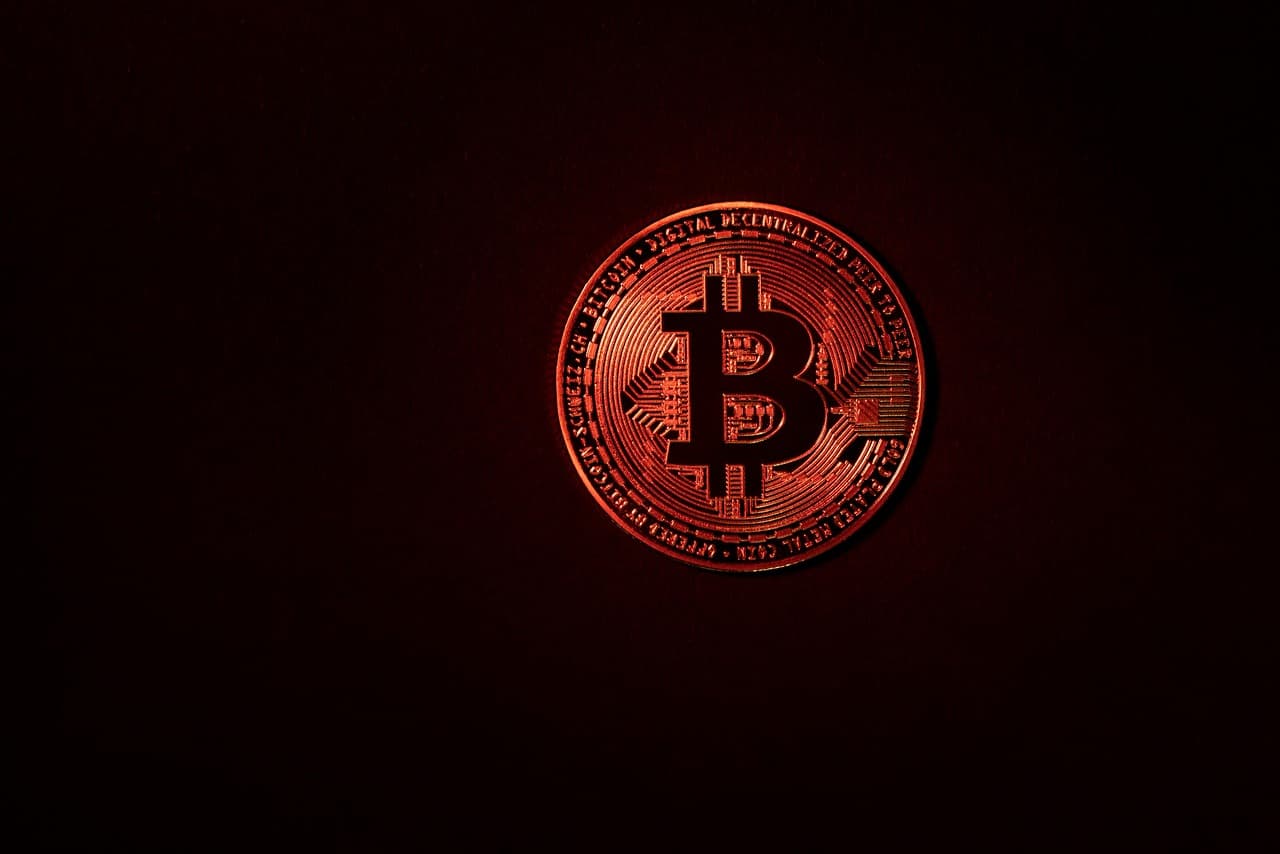
GameStop's proposed $55.5 billion acquisition of eBay forces a critical decision: sell its $368 million bitcoin stash to fund the deal or hold as a long-term strategic asset. The bid, at $125 per share, represents a 46% premium to eBay's pre-offer price, and GameStop plans to finance it with $9.4 billion in cash and liquid investments plus up to $20 billion in debt. The bitcoin holdings, now accounted as receivables after a covered-call strategy on Coinbase Prime, are a small but symbolically significant piece of the puzzle. For executives, this move signals a pivot from meme-stock notoriety to serious M&A, but the bitcoin question reveals deeper tensions about capital allocation and strategic identity.
Strategic Analysis: What's at Stake?
Who Gains?
eBay shareholders are the immediate winners, pocketing a 46% premium. TD Securities earns fees from arranging up to $20 billion in financing. If the deal closes, GameStop shareholders could benefit from a transformed e-commerce powerhouse, leveraging eBay's global marketplace and GameStop's crypto capabilities. The bitcoin stash, if retained, could appreciate and serve as a hedge against inflation, while the covered-call strategy generates income.
Who Loses?
GameStop shareholders face dilution if stock is issued, and the debt load could strain the combined entity. eBay employees may face layoffs or restructuring. Competing bidders for eBay are sidelined. The bitcoin sale, if executed, would signal a retreat from crypto conviction, disappointing investors who saw GameStop as a crypto-forward play.
What Shifts Next?
The deal's success hinges on financing and regulatory approval. If GameStop sells its bitcoin, it may raise cash quickly but lose a unique asset. If it holds, it must convince markets that the bitcoin stash is not needed for the deal. The broader implication: traditional retailers are using crypto as a strategic tool, not just a speculative bet. GameStop's move could set a precedent for how companies balance crypto holdings with large-scale M&A.
Winners & Losers
Winners: eBay shareholders (46% premium), TD Securities (financing fees), GameStop (if deal succeeds, e-commerce expansion).
Losers: GameStop shareholders (dilution risk), eBay employees (restructuring), crypto purists (if bitcoin sold).
Second-Order Effects
If the deal closes, expect a wave of crypto-enabled e-commerce integrations. GameStop could accept bitcoin payments on eBay, boosting adoption. If it fails, GameStop's stock may crater, and its bitcoin stash becomes a lifeline. Regulators may scrutinize the deal's size and financing structure, potentially blocking it on antitrust grounds.
Market / Industry Impact
The merger would create a hybrid e-commerce and crypto marketplace, challenging Amazon and traditional retailers. It could accelerate crypto payment adoption in mainstream e-commerce. GameStop's bitcoin strategy, whether hold or sell, will influence how other firms view crypto as a balance-sheet asset.
Executive Action
- Monitor GameStop's financing announcements: any bitcoin sale will signal cash constraints.
- Assess regulatory risk: the deal's size invites antitrust review.
- Evaluate crypto exposure: if GameStop retains bitcoin, it may inspire similar moves by other retailers.
Why This Matters
This deal tests whether crypto can be a strategic asset in M&A, not just a speculative holding. For executives, the outcome will shape how companies balance digital assets with traditional finance.
Final Take
GameStop's bid is a high-stakes gamble. Selling bitcoin would fund the deal but betray its crypto roots. Holding would preserve optionality but risk deal failure. Either way, the decision will reverberate across both e-commerce and crypto markets.
Rate the Intelligence Signal
Intelligence FAQ
It's possible. CEO Ryan Cohen left the option open, and the bitcoin is now accounted as receivables, making it easier to liquidate. However, selling would signal cash constraints and disappoint crypto investors.
The $368 million is a small fraction of the $9.4 billion in cash and liquid investments. Selling it would provide marginal funding but could be used to cover fees or reduce debt. The main financing comes from cash and $20 billion in debt.
 Spotify
 Apple
Apple Amazon
 YouTube

