
The Race for Electrification: A Pivotal Moment in Automotive Manufacturing
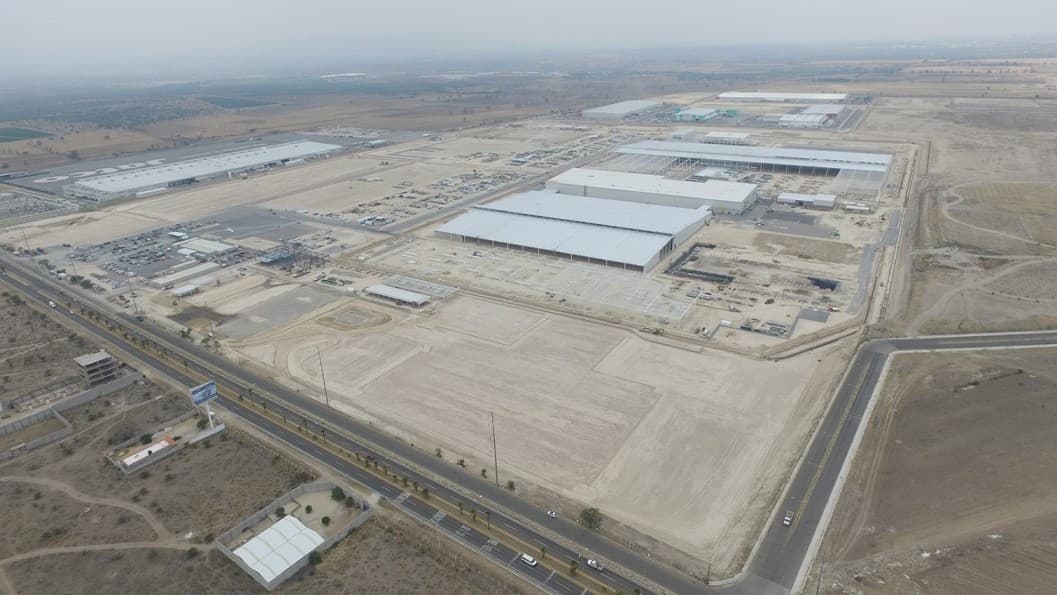
The automotive industry is undergoing a seismic shift as electric vehicles (EVs) gain traction globally. In this context, the competition between Geely and BYD to secure a Nissan-Mercedes plant in Mexico represents a critical juncture for both companies, as well as for the broader automotive landscape. The Mexican market has become increasingly attractive for EV production due to its strategic location, favorable trade agreements, and a growing domestic demand for sustainable transportation solutions. This acquisition could significantly enhance the production capabilities of either Geely or BYD, allowing them to capitalize on the burgeoning North American EV market.
Geely, a Chinese automotive giant, has made significant strides in the EV sector, leveraging its diverse portfolio that includes ownership stakes in Volvo and Lotus. The company is known for its innovative approaches to electric mobility and has set ambitious targets for EV production. On the other hand, BYD, another heavyweight in the Chinese automotive industry, has established itself as a leader in battery technology and electric buses. Both companies are vying for a foothold in the lucrative Mexican market, which could serve as a launchpad for their expansion into the North American EV sector.
Strategic Mechanisms: Analyzing the Competitive Moats
The competition between Geely and BYD is not merely about acquiring a manufacturing plant; it is a strategic battle for technological supremacy and market positioning. Both companies bring unique strengths to the table that could influence the outcome of this acquisition. Geely's extensive experience in traditional automotive manufacturing, coupled with its aggressive investments in EV technology, provides it with a robust foundation. The company has been actively developing its own electric platforms, which could be seamlessly integrated into the operations of the Mexican plant.
BYD, on the other hand, boasts a significant advantage in battery production, a critical component of any EV. The company's vertically integrated supply chain allows it to maintain control over costs and quality, which is vital in the competitive EV market. Additionally, BYD's established relationships with local suppliers and its experience in navigating regulatory environments in Mexico could facilitate a smoother transition if it were to acquire the plant.
Moreover, both companies are leveraging advanced technologies to enhance their production capabilities. Geely has been investing in artificial intelligence and automation to streamline manufacturing processes, while BYD has focused on developing proprietary battery technologies that improve energy density and reduce charging times. These technological moats not only provide a competitive edge but also align with the macro-trends of sustainability and efficiency that are driving the automotive industry forward.
Strategic Implications: Stakeholder Perspectives and Market Dynamics
The potential acquisition of the Nissan-Mercedes plant in Mexico by either Geely or BYD carries significant implications for various stakeholders, including investors, local economies, and the broader automotive ecosystem. For investors, this competition underscores the urgency of aligning with companies that are positioned to lead in the EV space. As the demand for electric vehicles continues to rise, those who invest in companies with robust production capabilities and innovative technologies are likely to see substantial returns.
From a local economic perspective, the acquisition could create thousands of jobs in Mexico, bolstering the country's position as a manufacturing hub for EVs. This aligns with Mexico's strategic goals of attracting foreign investment and promoting sustainable industries. The influx of capital and expertise from either Geely or BYD could also stimulate growth in the local supply chain, benefiting ancillary industries such as parts manufacturing and logistics.
For the automotive ecosystem, the outcome of this competition could reshape market dynamics in North America. A successful acquisition would enable either company to scale production rapidly, potentially leading to increased market share in the EV segment. This could prompt traditional automakers to accelerate their own electrification strategies, further intensifying competition and innovation in the sector.
In conclusion, the battle between Geely and BYD for the Mexican EV plant is emblematic of the broader trends shaping the automotive industry. As both companies vie for dominance, their respective strengths in technology, production capabilities, and market positioning will play a crucial role in determining the future landscape of electric vehicle manufacturing.
As stakeholders monitor this competition, it is essential to consider the strategic implications and potential outcomes that could arise from this pivotal moment in the automotive sector.
FAQ
The competition for the Nissan-Mercedes plant in Mexico is strategically vital as it represents a critical opportunity for either Geely or BYD to significantly enhance their EV production capabilities. Securing this plant would serve as a launchpad for expanding their presence in the lucrative North American EV market, capitalizing on Mexico's strategic location, favorable trade agreements, and growing domestic demand for electric vehicles.
Geely brings a strong foundation in traditional automotive manufacturing, coupled with aggressive EV technology investments and diverse brand ownership (Volvo, Lotus), enabling seamless integration of its electric platforms. BYD's primary advantage lies in its leadership in battery technology and a vertically integrated supply chain, offering cost control and quality assurance, along with established local relationships and regulatory navigation experience in Mexico.
The acquisition by either company will create thousands of jobs in Mexico, bolstering its role as an EV manufacturing hub and aligning with national goals for foreign investment and sustainable industries. It could also stimulate local supply chain growth. For the automotive ecosystem, this could reshape North American market dynamics by enabling rapid production scaling, potentially accelerating electrification strategies of traditional automakers and intensifying overall competition and innovation.