
The End of Search as We Know It
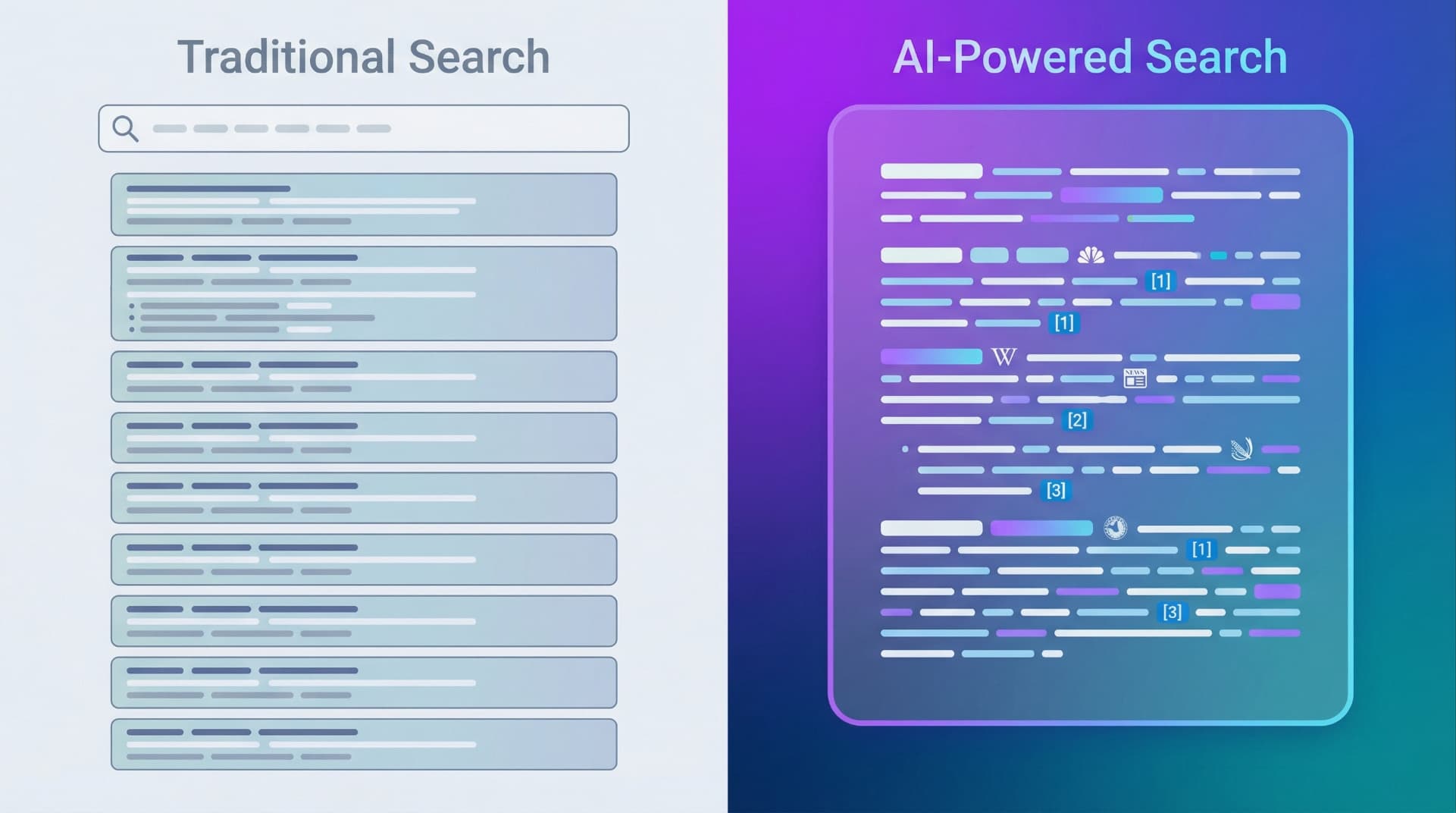
Generative Engine Optimization (GEO) is not a trend—it is the structural replacement of traditional search. Gartner predicts a 25% drop in traditional search volume in 2026 as users shift to AI-powered answers from ChatGPT, Perplexity, and Google AI. For executives, this is not a technology experiment; it is a market shift that redefines digital visibility. The question is no longer whether to invest in GEO, but how quickly your organization can adapt before competitors capture the AI traffic.
Why GEO Demands a New Operating Model
Traditional SEO optimized for ranking on a search engine results page (SERP). GEO optimizes for citation by generative AI. This changes the fundamental metrics: instead of click-through rates and keyword rankings, brands must track AI citation frequency, sentiment, and context. The technical requirements shift from meta tags and backlinks to structured data, entity authority, and content freshness. Companies that treat GEO as an extension of SEO will fail; it requires a cross-functional approach involving content, product, and data teams.
Who Gains and Who Loses
Winners: AI Platforms and Early Adopters
Generative AI platforms like ChatGPT and Perplexity benefit directly from increased user adoption. Their engagement and ad revenue grow as they become the primary gateway for information. Brands that invest early in GEO will capture high-intent users with implicit endorsement from AI citations. This translates to higher conversion rates and brand authority that traditional listings cannot match.
Losers: Traditional Search Engines and SEO-Dependent Businesses
Google and Bing face a 25% decline in query volume, reducing ad revenue and data collection. Their dominance in digital advertising is threatened. Businesses that rely heavily on organic search traffic without adapting to GEO will see declining visibility and revenue. The gap between proactive brands and those that wait will widen rapidly.
The Strategic Framework for GEO Adoption
1. Assess Your AI Readiness
Conduct a GEO audit to determine how AI engines perceive your brand. Are you being cited? Can AI crawlers read your content? Identify gaps in entity authority and content structure.
2. Optimize Content for AI Retrieval
Focus on clear headings, structured data, and entity-rich content. Maintain freshness and authority. AI engines prioritize content that is easily retrievable and authoritative.
3. Measure What Matters
Traditional analytics won't suffice. Use GEO-specific tools to track citation frequency, sentiment, and context across AI platforms. Adjust strategy based on performance data.
4. Iterate and Scale
GEO is not a one-time fix. Continuously analyze performance, repurpose high-performing content, and build a cross-functional GEO workflow. Scale successful tactics across the organization.
Second-Order Consequences
The shift to GEO will reshape digital marketing budgets. Companies will redirect spend from traditional SEO to GEO services, content optimization, and AI platform partnerships. Agencies specializing in GEO will see surging demand. Additionally, the decline in traditional search volume may accelerate Google's push into AI-generated summaries, further blurring the line between search and generative answers. Regulatory scrutiny may increase as AI citations become a new form of endorsement, raising questions about bias and transparency.
Bottom Line for Executives
The cost of ignoring GEO in 2026 is a 25% loss of potential traffic and a permanent competitive disadvantage. Brands that act now will capture the AI-driven discovery market; those that delay will struggle to catch up. The window for early mover advantage is closing. Invest in GEO strategy, tools, and talent today.
FAQ
GEO is the strategic structuring of your content to ensure AI-powered search engines like Google AI and ChatGPT can easily retrieve and cite your brand. With Gartner predicting a 25% drop in traditional search volume, failing to implement GEO means risking significant loss of market share and digital visibility as users increasingly rely on AI-driven answers.
Unlike traditional SEO's focus on ranking on Page 1, GEO prioritizes being cited in AI-generated responses, which acts as a powerful implicit endorsement. This shift leads to increased traffic, higher conversion rates, and enhanced brand authority, offering a more impactful form of digital visibility.
An effective GEO strategy involves four key steps: 1. Assess Readiness through a GEO audit to understand AI perception and identify gaps. 2. Optimize Content for AI by focusing on structure, entity authority, and technical foundations. 3. Measure Performance using GEO-specific tools to track AI citation frequency and sentiment. 4. Iterate and Scale by continuously analyzing data and adapting your approach.