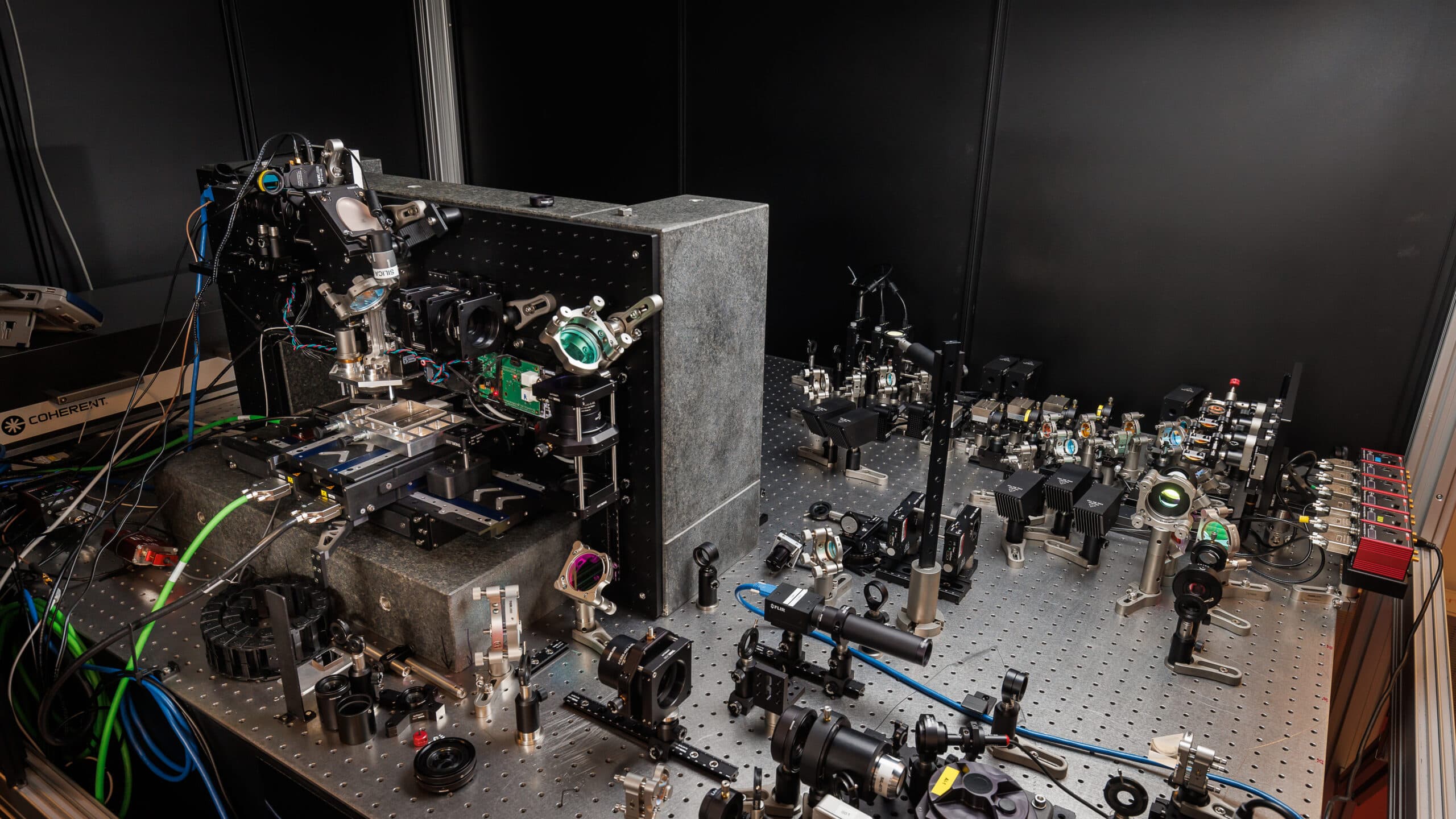

Microsoft's Project Silica represents a fundamental shift in archival storage, offering a medium that can preserve data for over 10,000 years with zero energy consumption when not in use. The technology stores up to 4.84TB per glass slab using femtosecond lasers to etch data into silica glass. However, the current write speed of 66 megabits per second is a critical bottleneck, limiting its immediate applicability to cold storage scenarios where data is written once and read rarely.
Why This Matters for Your Bottom Line
For organizations managing petabytes of long-term data—such as research institutions, healthcare providers, and cloud providers—the total cost of ownership (TCO) of archival storage is dominated by energy and maintenance. Glass storage eliminates both, potentially reducing TCO by 80% or more over a decade compared to tape or HDD-based cold storage. Early adopters can lock in cost advantages that compound over time, while laggards risk being stranded with legacy infrastructure.
The Core Shift: From Tape to Glass
Traditional archival storage relies on magnetic tape (LTO) or hard disk drives, both of which require periodic data migration (every 5-10 years for tape) and consume energy for active cooling and monitoring. Glass storage, by contrast, is inert: once written, it requires no power and no maintenance. This shifts the cost model from ongoing operational expense to upfront capital investment. The trade-off is write speed—66 Mbps is orders of magnitude slower than tape (which can write at 300 MB/s or more). But for write-once, read-rarely data, this is acceptable.
Strategic Implications for Cloud Providers
Microsoft Azure stands to gain the most, as it can integrate Project Silica into its archival tier (Azure Cool Blob Storage or Azure Archive Storage). This would create a differentiated offering that competitors like AWS and Google Cloud cannot easily match. AWS Glacier, for example, relies on tape and HDDs, which require energy and periodic migration. If Microsoft can offer a 10,000-year guarantee with zero energy cost, it could capture significant market share in regulated industries (finance, healthcare, government) where data retention mandates span decades.
Who Loses: Tape and HDD Vendors
Traditional storage vendors like IBM (tape), Seagate, and Western Digital face a structural threat. Tape's primary advantage—low cost per GB for cold storage—is eroded by glass's durability and energy efficiency. HDDs, which already struggle with reliability for long-term archival, become even less competitive. However, the threat is not immediate: glass storage must first overcome its write-speed bottleneck and achieve scale. Vendors have a 3-5 year window to innovate or pivot.
Market Dynamics and Scaling Challenges
Project Silica's current write speed limits its use to niche applications. For example, the Square Kilometer Array generates 700 petabytes annually—far beyond the capacity of a single glass writer. To serve such clients, Microsoft would need to deploy parallel arrays of writers, increasing capital costs. The break-even point depends on the volume of data and the cost of energy. A rough calculation: if a glass writer costs $500,000 and writes 4.84TB in 20 hours (at 66 Mbps), the cost per TB is ~$103,000—prohibitive for most use cases. But if parallelization reduces write time to minutes, costs could drop to $10/TB or less, competitive with tape.
Second-Order Consequences
If glass storage achieves scale, it could enable new business models: data insurance (guaranteeing readability for centuries), digital time capsules, and even planetary-scale backups. It also raises regulatory questions: if data can survive 10,000 years, how do we handle privacy laws like GDPR's right to erasure? Glass storage is physically immutable—data cannot be deleted without destroying the slab. This could create legal liabilities for organizations that store personal data.
Actionable Recommendations for Executives
- Evaluate your data retention policies: Identify datasets that are written once and rarely accessed (e.g., medical records, scientific archives, compliance logs). These are prime candidates for glass storage.
- Monitor write-speed improvements: Microsoft is likely to invest in parallel writing and faster lasers. Track patents and pilot programs to gauge when glass becomes cost-effective for your volume.
- Negotiate early access: If you are a large Azure customer, ask about Project Silica trials. Early adopters may secure preferential pricing and integration support.
- Plan for immutability: Work with legal teams to understand the implications of storing data that cannot be deleted. Consider hybrid approaches where glass is used for immutable archives and traditional storage for mutable data.
Outlook
Over the next 12 months, expect Microsoft to announce a commercial pilot for Project Silica, likely targeting government and research institutions. Write speeds may improve to 1 Gbps or higher through parallelization. Competitors like AWS and Google will accelerate their own long-term storage R&D (e.g., DNA storage). The cold storage market will bifurcate: tape for high-write-volume, glass for ultra-long-term. Executives should prepare for a world where data outlives the organizations that create it.
FAQ
Project Silica offers a 10,000-year archival data storage solution with zero energy consumption when not in use, leading to potentially massive long-term cost savings and a significant reduction in total cost of ownership for organizations with substantial data retention needs.
While Project Silica requires a substantial upfront investment in specialized hardware and current data writing speeds are a bottleneck, the long-term savings in energy, maintenance, and potential competitive advantage through reduced data management costs can offer a compelling return on investment.
Industries with massive and critical data storage needs, such as research, healthcare, and telecommunications, stand to gain significantly. The technology's potential to store vast amounts of data per slab positions it strongly in the archival market, though scaling to meet demands from data-intensive projects is a key factor for full market realization.
Traditional data storage providers face significant disruption and potential decreased demand as organizations shift to more durable and energy-efficient solutions. Companies that fail to adapt quickly to emerging technologies like Project Silica risk falling behind strategically and incurring higher long-term data management costs.