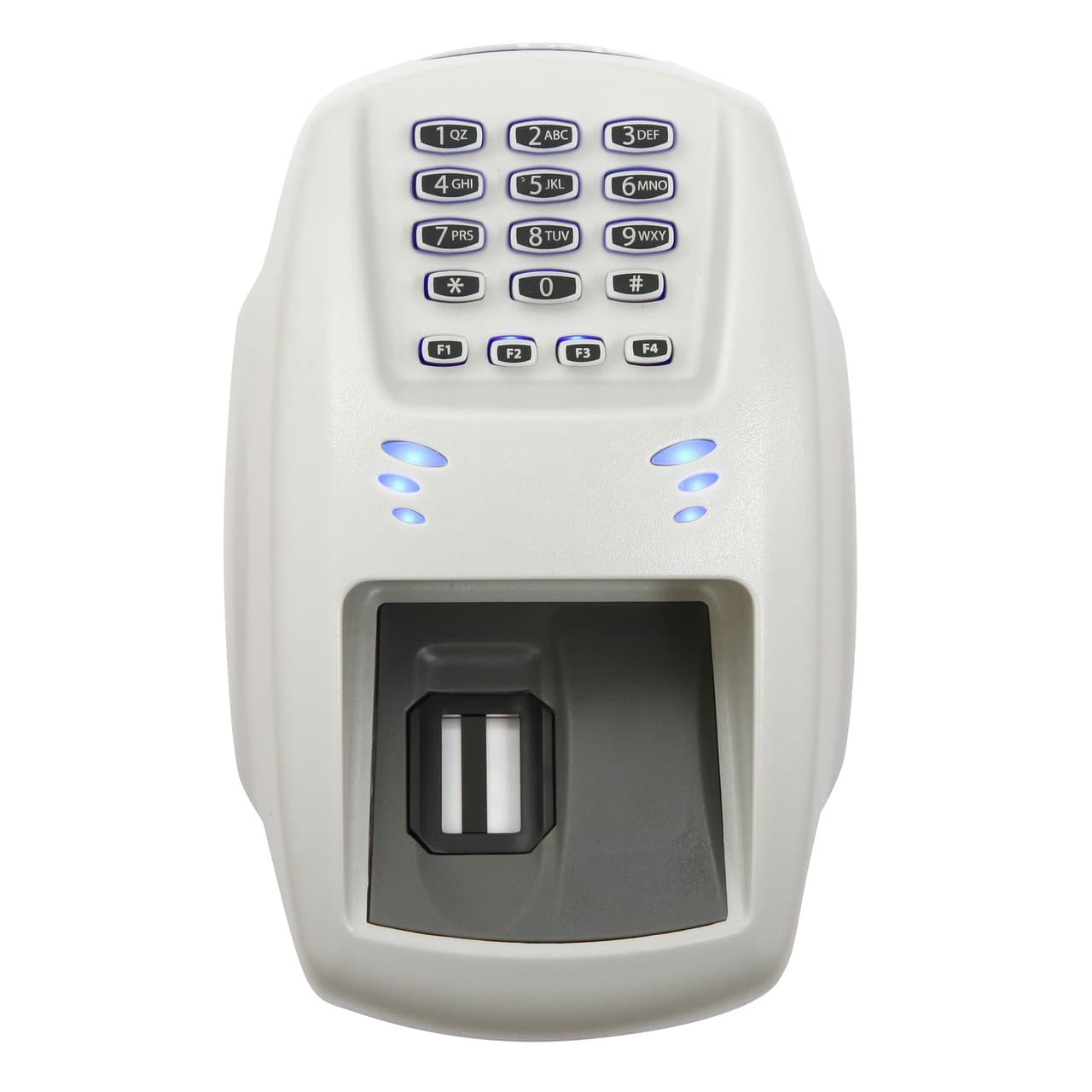

India’s AI Hardware Scrutiny: A New Era for Biometric Devices
India’s data-protection framework is entering phased implementation, with officials now focusing on AI-linked hardware, biometric devices, and trusted-source controls. This shift signals a strategic recalibration of the country’s technology ecosystem, with profound implications for global suppliers, domestic manufacturers, and end-users. The core question for executives: How will this regulatory tightening reshape competitive dynamics in one of the world’s largest biometric markets?
Context: What Happened
India’s data protection regime, anchored by the Digital Personal Data Protection Act, 2023, is moving toward enforcement. The latest development: regulators are scrutinizing AI hardware and biometric devices, demanding trusted-source verification and compliance with local data localization norms. This move aligns with India’s broader push for digital sovereignty and self-reliance in critical technologies.
Strategic Analysis: Winners and Losers
Who Gains?
- Domestic Biometric Manufacturers: Companies like Mantra Softech, eMudhra, and others with local production and R&D stand to benefit. Compliance costs will favor incumbents with established supply chains and regulatory expertise.
- Trusted Source Vendors: Firms offering hardware security modules (HSMs) and trusted platform modules (TPMs) will see increased demand as biometric devices require certification.
- Indian Data Center Operators: Data localization mandates will boost demand for local storage and processing, benefiting players like NTT Global Data Centers, CtrlS, and Yotta.
Who Loses?
- Foreign Biometric OEMs: Companies like HID Global, Suprema, and IDEMIA face higher compliance costs and potential market access barriers. Their reliance on global supply chains may become a liability.
- Small Importers: Smaller firms lacking local manufacturing or certification capabilities will be squeezed out, consolidating the market.
- Cloud Providers with Global Data Flows: Hyperscalers like AWS, Azure, and Google Cloud may face restrictions on cross-border data transfers from biometric systems, impacting their India strategy.
Second-Order Effects
This scrutiny will accelerate India’s push for indigenous AI hardware development. Expect increased government funding for semiconductor design and biometric sensor manufacturing. Additionally, the move could trigger reciprocal actions from trade partners, potentially escalating tech tensions. For multinational corporations, the cost of compliance will rise, but those who partner with local firms may gain a competitive edge.
Market / Industry Impact
The Indian biometric market, valued at over $3 billion in 2025, is projected to grow at 15% CAGR through 2030. However, regulatory shifts will segment the market: premium, compliant devices will command higher prices, while non-compliant imports will shrink. This creates opportunities for value-added services like certification consulting and secure integration.
Executive Action
- Audit Your Supply Chain: Identify which biometric components and devices fall under India’s trusted-source requirements. Begin certification processes now to avoid disruptions.
- Partner Locally: Forge alliances with Indian manufacturers or joint ventures to navigate regulatory hurdles and gain market access.
- Monitor Policy Evolution: Track India’s phased implementation timeline and engage with policymakers to shape favorable outcomes.
Why This Matters
India’s biometric hardware scrutiny is not a one-off policy tweak; it’s a structural shift toward digital sovereignty. Executives who delay compliance risk losing access to a critical growth market. Those who adapt early will capture market share as competitors scramble.
Final Take
India is drawing a line in the sand: biometric devices must be trusted, local, and compliant. The winners will be those who treat this as a strategic opportunity, not a regulatory burden. The losers will be those who underestimate India’s resolve to control its digital infrastructure.
Rate the Intelligence Signal
Intelligence FAQ
Fingerprint scanners, iris readers, facial recognition cameras, and any AI-enabled biometric hardware used in government or critical infrastructure.
By establishing local manufacturing, obtaining BIS certification, and partnering with Indian firms for data localization and security audits.
Phased implementation begins in 2026, with trusted-source guidelines expected within 30 days. Full enforcement likely within 12-18 months.
 Spotify
 Apple
Apple Amazon
 YouTube