
The Core Shift: From GPU-Centric to Dataflow Architecture
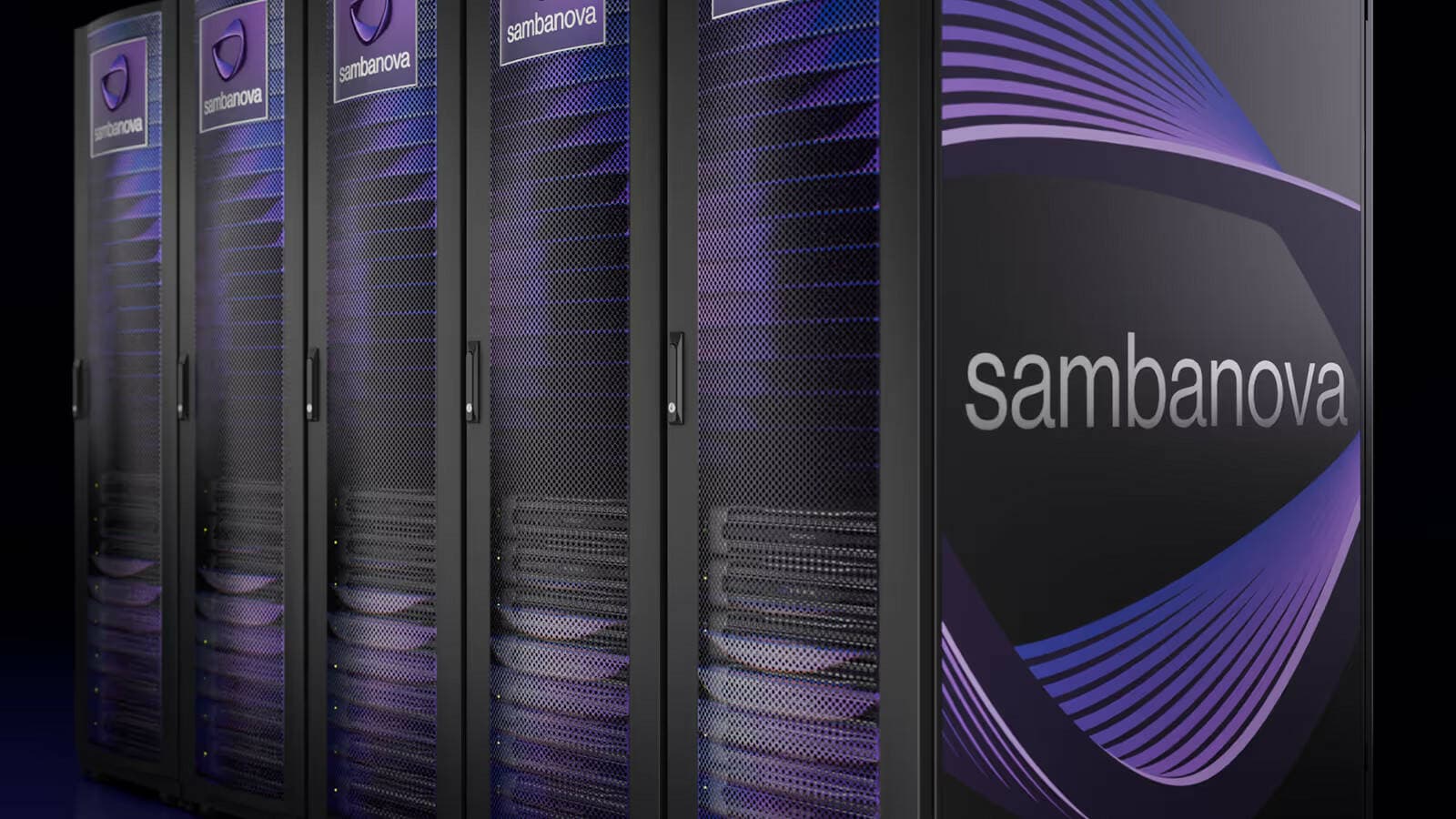
Intel's $350 million investment in SambaNova signals a strategic pivot in the AI inference market. The collaboration aims to challenge Nvidia's GPU dominance by leveraging SambaNova's reconfigurable dataflow units (RDUs). SambaNova's new SN50 accelerators deliver 2.5x higher 16-bit floating-point performance and 5x higher performance at FP8 compared to its predecessor. This matters because inference costs are becoming the primary bottleneck for scaling generative AI applications. For enterprises, the choice between GPU-based systems and alternative architectures like RDUs will directly impact operational expenses and competitive positioning.
Strategic Consequences: Winners, Losers, and Market Dynamics
Winners: Intel and SambaNova
Intel gains a competitive edge in AI inference by integrating Xeon CPUs with SambaNova's RDUs through hardware-software co-design. This partnership reduces Intel's reliance on its own GPU efforts (e.g., Ponte Vecchio) and positions it as a viable alternative to Nvidia's ecosystem. SambaNova receives not only capital but also Intel's manufacturing and distribution scale, enabling faster market penetration. SoftBank, as an existing customer, benefits from improved performance and potential cost savings.
Losers: Nvidia
Nvidia faces increased competition in the inference segment, where its B200 GPU may be overkill for many workloads. SambaNova claims up to 5x higher per-user generation speed, which could translate to lower total cost of ownership for inference-heavy applications. If SambaNova delivers on these claims, Nvidia's pricing power and market share in inference could erode.
Market Dynamics
The collaboration between a major CPU vendor and an AI accelerator startup may accelerate the adoption of heterogeneous computing architectures. Enterprises may begin to view inference as a distinct workload requiring specialized hardware, rather than a byproduct of training infrastructure. This could fragment the AI hardware market, reducing Nvidia's dominance and fostering innovation in cost-efficient inference solutions.
Bottom Line: What Executives Should Do Now
Chief Technology Officers and AI infrastructure buyers should evaluate their inference workloads and consider piloting SambaNova's SN50 accelerators. The potential for 5x speed improvements and lower operational costs warrants a proof-of-concept, especially for high-volume generative AI applications. Additionally, monitor Intel's integration roadmap—if Xeon-RDU synergy delivers seamless deployment, it could become a compelling alternative to Nvidia's ecosystem. The next 12 months will be critical: if SambaNova scales successfully, expect a wave of similar partnerships challenging GPU-centric architectures.