

Executive Summary
Europe tightens its visa rulebook for Indian travelers, with Italy mandating a two-month advance submission for MICE visas. This procedural shift, alongside similar tightening measures across several Schengen countries, signals a broader move toward stricter compliance and defined processing timelines. The implications are significant for corporate mobility, the MICE industry, and travel planning, demanding earlier strategic foresight from businesses and individuals alike. This development underscores a systemic recalibration of European entry policies, moving away from discretionary handling towards rigid, rule-based frameworks. The stakes are high for organizations reliant on seamless international travel for business development, incentive programs, and conference participation.Key Insights
- Italy mandates a two-month advance submission for MICE (Meetings, Incentives, Conferences, and Exhibitions) and group visa applications. This rule significantly impacts last-minute incentive trips, trade delegations, and conference travel planning during peak European seasons.
- Under the Bangalore consular jurisdiction, which covers Bengaluru, Hyderabad, and Chennai, visa appointments now require strict adherence to applicant-specific credentials. Agent-based booking using third-party contact details is no longer permissible, altering traditional application pathways.
- Germany will implement a new requirement from January 2026, mandating family reunion applicants to upload documents via its Consular Service Portal prior to submission. This digital-first approach streamlines but also formalizes the application process.
- Hungary has established a minimum 15-calendar-day processing period for short-stay visas, reducing flexibility for urgent travel needs.
- The Netherlands has introduced color-document submission requirements and indicated processing timelines ranging between 15 and 45 days, indicating a structured approach to visa processing.
- The United Kingdom completes its transition to a fully digital entry framework by February 25, 2026. Indian visitors must hold an eVisa linked to their passport via a UKVI account, with airlines verifying digital authorization at boarding. This replaces physical visa stickers.
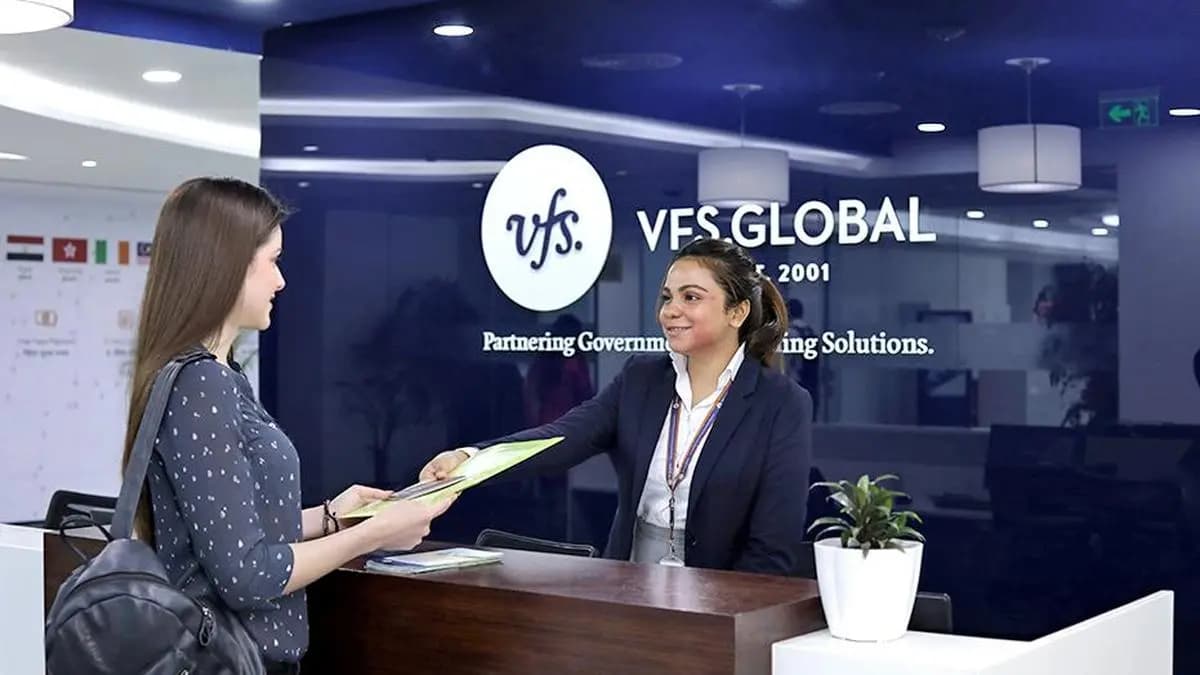
- VFS Global, a key visa processing facilitator, has expanded its client government portfolio, adding Montenegro, Moldova, and Algeria. The company operates extensively in South Asia, serving 52 client governments through 671 application centers and temporary locations.
- VFS Global's "Visa at Your Doorstep" (VAYD) service is experiencing strong traction in Tier-2 and Tier-3 markets, including Visakhapatnam and cities across Andhra Pradesh and Telangana. This service allows biometric enrollment at an applicant’s residence or office, catering to demand for convenience.
Strategic Implications
Industry-Wide Repercussions
The mandated two-month lead time for MICE visas in Italy represents a significant structural shift for the global MICE industry. Event organizers and corporate planners must now integrate this extended lead time into their strategic planning cycles, potentially impacting destination choices and event scheduling. The elimination of flexibility for last-minute incentive travel or urgent trade delegations forces a more rigid, calendar-driven approach to international business engagement. Companies that previously leveraged short-notice trips for strategic advantage will need to re-evaluate their mobility strategies. This tightening of timelines across multiple European destinations suggests a broader trend away from spontaneous international business interactions towards meticulously planned, compliance-focused engagements. The ripple effect extends to airlines, hotels, and local service providers who cater to the MICE sector, all of whom must adapt to a more predictable, albeit less flexible, demand pattern. The industry faces a direct challenge in maintaining its agility and responsiveness to evolving market opportunities when faced with extended bureaucratic processes.Investor Risk and Opportunity Assessment
For investors, these changes signal both risks and opportunities. The MICE industry, a significant contributor to tourism and business travel economies, faces potential headwinds. Reduced flexibility and increased planning complexity could lead to a contraction in the volume of international MICE events or a shift towards domestic or regional alternatives. This poses a risk to companies heavily invested in the international MICE infrastructure. Conversely, the move towards digitalization and structured processing creates opportunities for technology providers and specialized visa consulting firms. The UK's eVisa system, for instance, necessitates robust digital infrastructure and integration capabilities. Companies offering solutions for digital identity verification, secure document management, and streamlined application processing are well-positioned to capture new market share. VFS Global's expansion and the success of its VAYD service highlight an opportunity in enhancing convenience and accessibility in visa processing, particularly in emerging markets. Investors should monitor the adoption rates of these new digital frameworks and the emergence of ancillary services that support compliance and efficiency in international travel.Competitive Landscape Adjustments
Competitors within the travel and visa facilitation sectors will experience a recalibration of their strategic positioning. VFS Global, with its expanded network and innovative service offerings like VAYD, appears to be solidifying its market leadership. Its ability to adapt to evolving client government requirements and traveler demands positions it favorably. However, the increased complexity and lead times could create openings for niche players offering specialized visa consultancy or expedited processing services, albeit within the new regulatory constraints. Companies that can effectively navigate the new digital requirements and offer seamless integration with government portals will gain a competitive edge. The shift away from agent-centric booking in certain jurisdictions, like under the Bangalore consular jurisdiction, forces traditional travel agents to adapt their business models, potentially leading to consolidation or a pivot towards advisory services rather than transactional processing.Policy and Regulatory Environment
The policy implications are profound. The European Union and the UK are clearly signaling a strategic intent to gain greater control and visibility over international travel flows. The move towards digital-first frameworks and stricter processing timelines reflects a global trend in border security and immigration management. This approach aims to enhance security, streamline data collection, and potentially automate aspects of border control. For policymakers, these changes represent an effort to balance economic imperatives (facilitating legitimate travel) with security concerns. The emphasis on applicant-specific credentials and digital submission suggests a move towards greater accountability and traceability throughout the visa application process. This policy direction could influence other countries to adopt similar digital and compliance-heavy visa regimes, creating a more standardized, albeit more demanding, global travel environment. The formalization of processing timelines also reduces the discretionary power of consular officials, leading to more predictable outcomes for applicants but potentially less flexibility for exceptional cases.The Evolving Role of Visa Facilitators
Visa application centers and facilitators like VFS Global are transitioning from mere processing hubs to strategic partners in the international mobility ecosystem. The expansion of services beyond basic application submission, such as VAYD, premium lounge access, and after-hours appointments, indicates a business model evolving to meet diverse traveler needs. The increasing complexity of visa requirements across multiple countries necessitates that these facilitators possess deep expertise in regulatory compliance and operational efficiency. Their role in educating travelers and corporate mobility planners about new procedures and timelines becomes critical. The success of VAYD in Tier-2 and Tier-3 markets underscores the importance of localized service delivery and adapting to regional demand patterns. As governments continue to digitize their visa processes, these facilitators will play a crucial role in bridging the gap between government systems and end-users, ensuring a smoother transition and continued access for travelers.Impact on Corporate Mobility Planning
Corporate mobility departments face a significant challenge in adapting to these extended lead times and stricter documentation requirements. Strategic workforce planning must now incorporate a much longer horizon for international assignments, business travel, and delegate participation in global events. The ability to deploy talent or attend critical meetings across Europe will be directly constrained by visa processing schedules. Companies will need to invest more in proactive visa management, potentially employing dedicated internal resources or partnering with specialized external consultants. The shift towards applicant-only credentials for bookings in certain regions also requires internal process adjustments to ensure employees are adequately supported through the application process. This necessitates a cultural shift within organizations, emphasizing the critical importance of early planning and meticulous documentation for all international travel. Failure to adapt could result in missed business opportunities, delayed projects, and a competitive disadvantage for organizations that cannot secure timely travel authorizations for their personnel.The Digital Frontier in Travel Authorization
The UK's move to a fully digital eVisa framework is a harbinger of future travel authorization systems globally. This transition from physical visa stickers to digital credentials linked to passports represents a fundamental shift in border management. Airlines are now tasked with verifying digital authorizations at the point of boarding, integrating new technological requirements into their operational workflows. This digital-first approach promises greater efficiency, enhanced security through verifiable digital identities, and a more seamless passenger experience once fully implemented. However, the transition period may present challenges, including the need for robust IT infrastructure, comprehensive training for airline staff, and clear communication channels between immigration authorities, airlines, and travelers. The success of this digital framework will depend on its reliability, user-friendliness, and the ability of all stakeholders to adapt to the new technological paradigm. This trend is likely to be emulated by other nations seeking to modernize their immigration and border control systems.The Bottom Line
Europe's tightening visa timelines, exemplified by Italy's two-month MICE visa mandate, signal a decisive pivot towards a more digitized, structured, and compliance-driven approach to international travel. This shift necessitates a fundamental re-evaluation of planning horizons and operational flexibility for businesses, the MICE industry, and individual travelers. While presenting challenges in agility, these changes create opportunities for technology providers and specialized service firms, while VFS Global continues to solidify its position through strategic expansion and service innovation. The overarching trend points to a future where international travel authorization is increasingly integrated into digital identity frameworks and subject to rigid, predictable processing protocols, demanding proactive strategic adaptation from all market participants.Source: Hindu Business Line


