
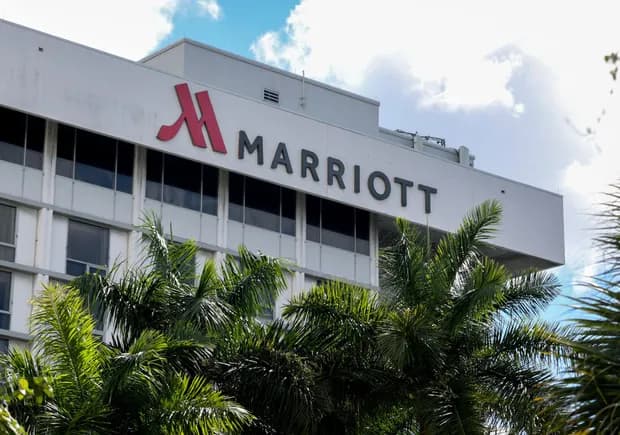

Disruption in Hospitality: The Need for Technological Reinvention
Marriott International, a global leader in hospitality with over 7,000 properties across 131 countries, is embarking on a significant technological overhaul aimed at integrating artificial intelligence (AI) into its operational framework by 2026. This initiative comes at a time when the hospitality industry is grappling with escalating customer expectations, heightened competition from both traditional hotel chains and emerging platforms like Airbnb, and the pressing need to optimize operational efficiency in the wake of the COVID-19 pandemic.
Despite the promise of AI to enhance guest experiences and streamline operations, Marriott's ambitious plans raise critical questions about the underlying challenges that the company must address. The hospitality sector is notoriously resistant to change, often burdened by legacy systems and technical debt that hinder agility. Moreover, the integration of AI technologies poses risks related to vendor lock-in, data privacy, and the potential for increased latency in service delivery if not carefully managed.
The AI Integration Challenge: Architecture, Latency, and Vendor Lock-in
Marriott's strategy to implement AI hinges on a robust technological architecture that can support the complex demands of a global hospitality operation. This includes the integration of machine learning algorithms for personalized guest experiences, predictive analytics for demand forecasting, and automated systems for operational efficiency.
However, the architecture required for such a transformation is not straightforward. The company must navigate the intricacies of data integration from various sources, including booking systems, customer relationship management (CRM) platforms, and property management systems (PMS). Each of these systems likely operates on different architectures, which can introduce latency issues when data is pulled together for real-time decision-making. Latency can severely impact customer satisfaction, particularly in scenarios where immediate responses are expected, such as during check-in or when addressing guest inquiries.
Furthermore, Marriott must consider the implications of vendor lock-in as it selects technology partners for its AI initiatives. Many AI solutions are offered as proprietary platforms, which can create dependencies that limit future flexibility and scalability. If Marriott commits to a specific vendor's technology stack, it risks being locked into that ecosystem, potentially facing inflated costs and reduced bargaining power over time. This is particularly concerning in an industry where technological advancements are rapid and the competitive landscape is continually evolving.
To mitigate these risks, Marriott should explore open-source solutions and hybrid architectures that allow for greater interoperability and flexibility. By adopting a more modular approach, the company can avoid the pitfalls of vendor lock-in while ensuring that it can adapt to changing technological landscapes and customer expectations.
Strategic Implications: Stakeholders in the Crosshairs
The implications of Marriott's AI overhaul extend beyond the company itself, affecting various stakeholders, including hotel owners, employees, technology vendors, and customers. For hotel owners, the integration of AI could lead to increased operational efficiency and profitability, but it may also require significant upfront investment in new technologies and training for staff.
Employees, particularly those in customer-facing roles, may experience shifts in their responsibilities as AI systems take over routine tasks. While this could free up staff to focus on higher-value interactions with guests, it also raises concerns about job displacement and the need for reskilling. Marriott must be proactive in addressing these concerns to maintain employee morale and ensure a smooth transition to a more automated environment.
Technology vendors will also play a crucial role in Marriott's AI journey. The company will need to carefully evaluate potential partners to ensure they can deliver scalable, reliable solutions that align with its long-term vision. This evaluation process should include a thorough assessment of each vendor's track record, technological capabilities, and approach to data security and privacy.
For customers, the successful implementation of AI could lead to enhanced personalization and improved service quality. However, there is a fine line between personalization and privacy invasion. Marriott must navigate this landscape delicately, ensuring that customer data is handled responsibly and transparently to build trust and loyalty.
In conclusion, while Marriott's investment in AI represents a significant step towards modernizing its operations, the path forward is fraught with challenges. The company must address architectural complexities, manage latency issues, and carefully select technology partners to avoid vendor lock-in. Additionally, it must consider the broader implications for stakeholders to ensure a successful transformation that enhances both operational efficiency and guest satisfaction.
FAQ
Marriott is investing in AI to address escalating customer expectations, heightened competition from traditional and emerging platforms, and the critical need to optimize operational efficiency post-pandemic, aiming to enhance guest experiences and streamline operations.
Marriott faces challenges in building a robust architecture for data integration from disparate systems, managing potential latency issues that impact real-time service, and avoiding vendor lock-in. Mitigation strategies include exploring open-source solutions and hybrid architectures for greater interoperability and flexibility.
Hotel owners may see increased profitability but require upfront investment. Employees might see shifts in roles, necessitating reskilling and careful management of morale. Technology vendors are critical partners requiring thorough evaluation. Customers stand to gain enhanced personalization but require transparent and responsible data handling to maintain trust.
Vendor lock-in poses risks of dependency, inflated costs, and reduced bargaining power in a rapidly evolving tech landscape. Marriott can manage this by prioritizing open-source solutions, modular architectures, and conducting rigorous due diligence on technology partners to ensure long-term flexibility and scalability.
