
Why Everyone is Wrong About Environmental Justice
The uncomfortable truth is that unequal access to nature is not just an ecological crisis; it's a health crisis that disproportionately affects poor communities and people of color. A recent report from the Center for American Progress and various nonprofits reveals that communities of color face environmental degradation at three times the rate of their white counterparts. This isn't merely a statistic—it's a call to action that challenges the mainstream narrative surrounding environmental justice.
Stop Ignoring the Data
As ecosystems are transformed into industrial sites, the health risks skyrocket. The report highlights that access to green spaces is linked to lower blood pressure, improved immune function, and reduced rates of diseases. Yet, those who could benefit the most from these ecosystems are often the least likely to have access. Nearly 60 percent of residents in nature-deprived areas live below the poverty line, compounding their health vulnerabilities.
The Extractive Economy's Hidden Costs
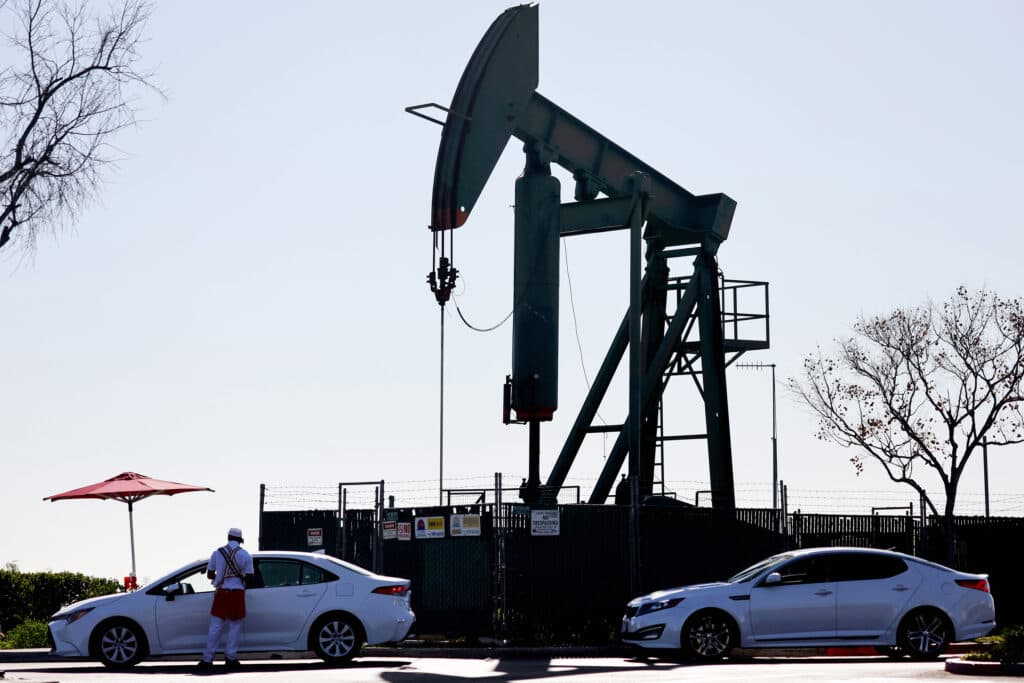
Elizabeth Yeampierre, an executive director of an environmental justice organization, aptly describes the current state as an 'extractive economy at work.' The report exposes how fossil fuel extraction and industrial development have turned marginalized communities into sacrifice zones. Why are we allowing policies that exacerbate these inequalities? The Trump administration's rollback of environmental protections has intensified these disparities, but the roots of this problem run much deeper.
Rethinking Policy Solutions
Every state in the U.S. has hotspots where environmental degradation converges with social vulnerability. In urban areas along the East Coast, for instance, 90 percent of nature-deprived areas are communities of color. This is not a coincidence; it’s the result of historical injustices like redlining and discriminatory zoning. If we are to address these issues, we must confront the uncomfortable truth that our policies have failed these communities for decades.
The Feedback Loop of Inequality
It’s time to stop viewing environmental issues in isolation. The report illustrates a feedback loop where economic inequality and environmental deprivation reinforce each other. Communities that are already financially strained are trapped in neighborhoods devoid of green spaces, making it nearly impossible to escape the cycle of poverty and poor health. This is not merely a social issue; it’s an economic one that demands immediate attention.
Why This Matters for Business and Policy Makers
For business leaders and policymakers, the implications are clear: ignoring the health impacts of environmental degradation will cost us in the long run. Investing in green spaces and equitable access to nature is not just a moral imperative; it’s a strategic move that can enhance public health, reduce healthcare costs, and improve overall community resilience. The data is irrefutable—access to nature equates to healthier populations.
Conclusion: A Call to Action
We can no longer afford to turn a blind eye to the intersection of environmental and social justice. The findings of this report should serve as a wake-up call for everyone involved in policy-making, urban planning, and community development. If we want to create a healthier, more equitable society, we must prioritize access to nature for all—especially for those who need it most.
FAQ
Ignoring the health impacts of environmental degradation, particularly the lack of access to nature in marginalized communities, will lead to increased long-term costs due to poorer public health outcomes, higher healthcare expenditures, and reduced community resilience. Investing in equitable access to nature is a strategic move to mitigate these costs and foster healthier populations.
The extractive economy, driven by fossil fuel extraction and industrial development, disproportionately designates marginalized communities as 'sacrifice zones.' This leads to severe environmental degradation in these areas, which are often already facing social and economic vulnerabilities, resulting in significantly higher health risks and reduced access to beneficial green spaces for their residents.
Economic inequality and environmental deprivation create a reinforcing feedback loop. Financially strained communities are trapped in neighborhoods lacking essential green spaces, leading to cycles of poor health and poverty. For businesses, this translates to a less resilient workforce and community, potentially impacting productivity and increasing indirect costs associated with public health crises.
Communities of color disproportionately face environmental degradation and are significantly more likely to live in nature-deprived areas, often as a result of historical injustices like redlining and discriminatory zoning. This lack of access to nature directly exacerbates health vulnerabilities within these populations.