

The Current Landscape
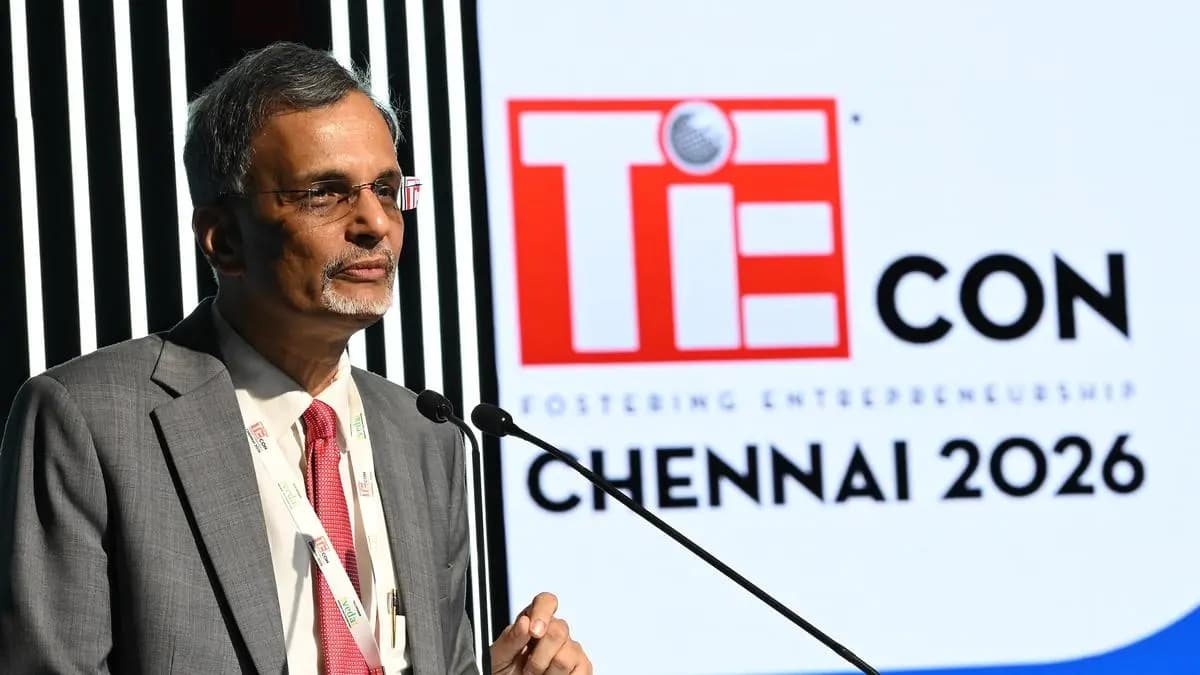
As articulated by Chief Economic Advisor Anantha Nageswaran, the global economic landscape is undergoing a significant transformation. The traditional paradigms of trade, characterized by reciprocity and mutual benefit, are being replaced by a more complex and competitive environment where supply chains are increasingly leveraged as instruments of state power. This shift necessitates a reevaluation of export strategies and manufacturing capabilities, particularly for nations seeking to enhance their economic sovereignty and global standing.
The COVID-19 pandemic served as a catalyst for these changes, exposing vulnerabilities in global supply chains and prompting governments and businesses alike to rethink their operational frameworks. Countries are now prioritizing self-sufficiency and resilience over mere cost efficiency, leading to a reconfiguration of international trade dynamics. The implications are profound: nations are not only competing for market share but are also strategically positioning themselves to safeguard their economic interests in an increasingly multipolar world.
In this context, the need for enhanced export competitiveness has never been more pressing. Countries that can adapt quickly to these macro-trends will likely gain a significant advantage in the global market. This requires a focus on innovation, technology adoption, and strategic partnerships, which can serve as essential levers for driving growth and ensuring long-term sustainability.
Technical & Business Moats
To thrive in this new economic environment, companies must develop robust technical and business moats that can withstand competitive pressures and geopolitical uncertainties. A technical moat may include proprietary technologies, advanced manufacturing processes, or unique intellectual property that differentiates a company's offerings in the marketplace. For instance, firms like Tesla have established a strong technological advantage through their innovations in electric vehicle technology and battery manufacturing, allowing them to capture significant market share in a rapidly growing sector.
On the business side, companies must cultivate strategic partnerships and alliances that enhance their operational capabilities. This could involve collaborations with local suppliers to create more resilient supply chains or partnerships with technology firms to leverage cutting-edge innovations. For example, companies in the semiconductor industry are increasingly investing in domestic manufacturing capabilities to reduce reliance on foreign supply chains, thereby enhancing their competitive positioning.
Moreover, the integration of digital technologies such as AI, IoT, and blockchain can further strengthen a company's competitive edge. These technologies enable greater efficiency, transparency, and agility in operations, allowing businesses to respond more effectively to market demands and disruptions. Companies that successfully harness these technologies will not only enhance their operational efficiency but also create new revenue streams and business models that can drive future growth.
Future Implications
The implications of these trends are far-reaching. As nations prioritize export competitiveness and manufacturing strength, companies must be prepared to navigate a more complex and competitive landscape. This will require a focus on scalability and adaptability, enabling businesses to pivot quickly in response to changing market conditions and consumer preferences.
Furthermore, as geopolitical tensions continue to rise, companies must be vigilant about the risks associated with global trade. This includes potential disruptions to supply chains, regulatory changes, and shifts in consumer sentiment. Businesses that proactively address these risks through strategic planning and risk management will be better positioned to capitalize on emerging opportunities.
In conclusion, the new world order demands a proactive and strategic approach to export competitiveness and manufacturing strength. Companies that can effectively leverage their technical and business moats, while remaining agile and adaptable, will be well-positioned to thrive in this evolving landscape. The time to act is now, as the choices made today will shape the competitive landscape of tomorrow.
FAQ
The global economic landscape has transformed from one of reciprocity to a more complex, competitive environment where supply chains are leveraged as instruments of state power. This necessitates a strategic reevaluation of export strategies and manufacturing capabilities to enhance economic sovereignty and global standing.
Technical moats involve proprietary technologies, advanced manufacturing, or unique IP that differentiates offerings, while business moats focus on strategic partnerships and alliances for operational resilience. These are critical for withstanding competitive pressures and geopolitical uncertainties, ensuring a sustainable competitive advantage.
These digital technologies enhance efficiency, transparency, and agility in operations, enabling businesses to respond more effectively to market demands and disruptions. They also facilitate the creation of new revenue streams and business models, driving future growth and strengthening competitive positioning.
Businesses must focus on scalability and adaptability to pivot quickly to changing market conditions. They also need to be vigilant about geopolitical risks, proactively managing potential supply chain disruptions and regulatory shifts to capitalize on emerging opportunities.

