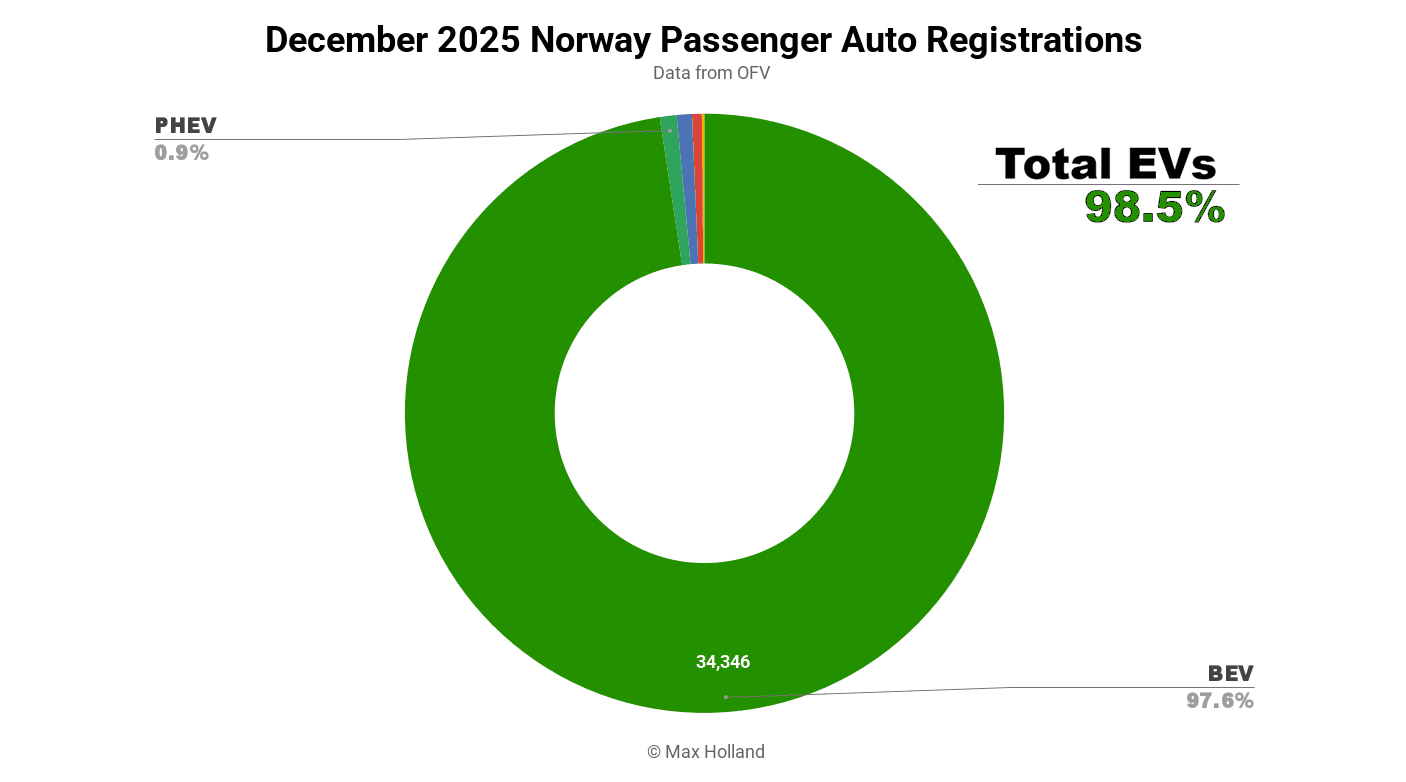

The Electric Vehicle Surge: Norway's 97.5% Market Penetration
In 2025, Norway achieved a remarkable milestone, with electric vehicles (EVs) commanding a staggering 97.5% of the automotive market. This unprecedented dominance is largely driven by battery electric vehicles (BEVs), with the Tesla Model Y emerging as the top-selling vehicle. The Norwegian government's aggressive policies and incentives aimed at promoting sustainable transportation have played a pivotal role in this transformation. The country has not only embraced EVs as a means to reduce carbon emissions but has also positioned itself as a global leader in the electric vehicle sector.
The transition to electric mobility in Norway is a case study in effective policy implementation and consumer acceptance. With a combination of tax exemptions, free tolls, and access to bus lanes, the Norwegian government has created an ecosystem that is incredibly conducive to the adoption of EVs. This has resulted in a significant shift in consumer behavior, with EVs becoming the preferred choice among Norwegian citizens. The implications of this shift extend beyond environmental benefits; they signal a potential paradigm shift in automotive market dynamics.
Mechanisms Driving Norway's EV Dominance: The Tesla Effect and Beyond
The Tesla Model Y's success in Norway is emblematic of a broader trend where innovative technology and consumer-centric design converge to create a compelling product. Tesla, founded by Elon Musk, has not only revolutionized the automotive industry but has also set a benchmark for performance and sustainability. The company's focus on battery technology, software integration, and user experience has enabled it to capture a significant share of the Norwegian market.
Moreover, Tesla's Supercharger network has alleviated range anxiety, a common concern among potential EV buyers. This extensive charging infrastructure, combined with Norway's commitment to renewable energy, has made the transition to electric mobility seamless for consumers. Additionally, Tesla's continuous software updates enhance vehicle performance and user experience, fostering brand loyalty and repeat purchases.
However, Tesla is not alone in this race. Other automakers are rapidly adapting to the changing landscape, introducing competitive models that cater to the growing demand for EVs. Companies like Volkswagen, BMW, and Audi are investing heavily in electric mobility, aiming to capture market share in Norway and beyond. The competitive landscape is evolving, and traditional automakers are now recognizing the urgency of transitioning to electric platforms to remain relevant.
Furthermore, Norway's charging infrastructure is a critical enabler of this shift. The government has invested significantly in expanding charging networks across urban and rural areas, ensuring that consumers have convenient access to charging stations. This infrastructure investment not only supports existing EV owners but also encourages potential buyers to make the switch, knowing that charging is readily available.
Strategic Implications for Stakeholders: Navigating the EV Landscape
The implications of Norway's EV market dominance extend to various stakeholders, including automotive manufacturers, policymakers, and investors. For automotive manufacturers, the challenge lies in scaling production capabilities to meet the surging demand for EVs. Companies must invest in research and development to innovate and differentiate their offerings while also navigating the complexities of supply chain management.
For policymakers, Norway's success serves as a blueprint for other nations aiming to accelerate their transition to electric mobility. The combination of incentives, infrastructure investment, and public awareness campaigns can catalyze similar transformations in other markets. Policymakers must also consider the long-term sustainability of these initiatives, ensuring that they are adaptable to future technological advancements and consumer preferences.
Investors, on the other hand, should closely monitor the evolving landscape of the EV market. As consumer preferences shift towards sustainability, companies that prioritize electric mobility are likely to see enhanced valuations. Strategic investments in battery technology, charging infrastructure, and renewable energy sources will be paramount in capitalizing on this trend.
In conclusion, Norway's electric vehicle market dominance is not just a national achievement; it is a harbinger of the future of transportation. The convergence of technology, policy, and consumer behavior has created a fertile ground for electric mobility, setting the stage for a global shift towards sustainable transportation solutions.
FAQ
Norway's EV dominance is primarily driven by aggressive government policies including significant tax exemptions, free tolls, and access to bus lanes, creating a highly favorable ecosystem for EV adoption and consumer preference.
The success is also attributed to robust charging infrastructure, including Tesla's Supercharger network, which mitigates range anxiety. Continuous technological advancements in battery technology, software integration, and user experience from manufacturers like Tesla have further enhanced appeal and brand loyalty.
Manufacturers must scale production, invest heavily in R&D for innovation and differentiation, and manage complex supply chains. They also need to focus on consumer-centric design, battery technology, and integrated software to remain competitive against established players and meet surging demand.
Policymakers can adopt Norway's blueprint of combining targeted incentives, significant infrastructure investment, and public awareness campaigns to accelerate EV adoption. Long-term adaptability to technological advancements and evolving consumer preferences is also crucial for sustained success.
Investors should monitor market shifts and prioritize companies focused on electric mobility, as these are likely to see enhanced valuations. Strategic investments in battery technology, charging infrastructure, and renewable energy sources are key to capitalizing on the global trend towards sustainable transportation.