
Rocket Launch Pollution: The Hidden Risks to Our Atmosphere
Rocket launch pollution is emerging as a significant environmental concern, as new research highlights the atmospheric impact of commercial space activities. A recent study published by Ars Technica reveals that emissions from rocket launches, particularly from disintegrated satellites, could have profound implications for our climate and stratospheric chemistry.
Inside the Machine: The Mechanics of Rocket Emissions
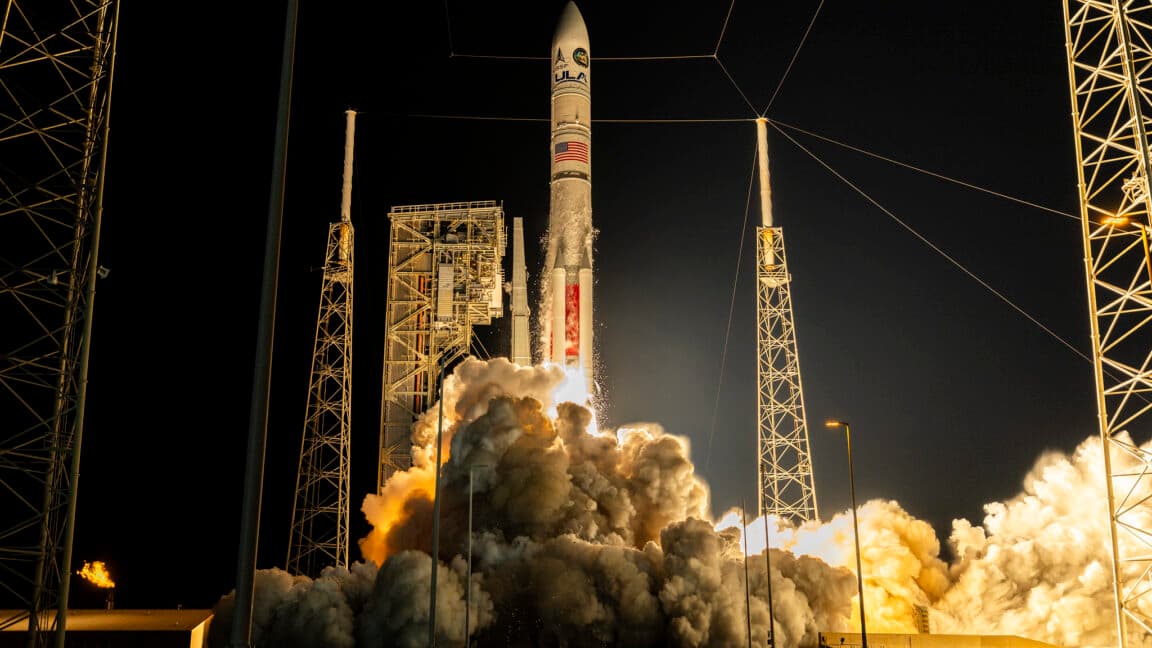
The study analyzed the pollution plume from a Falcon rocket that disintegrated during reentry, marking a critical moment in understanding how rocket debris affects the upper atmosphere. This incident, which occurred on February 19, 2025, after SpaceX lost control of the rocket, provided the first direct evidence of atmospheric pollution linked to specific spacecraft. Researchers were able to trace elements like lithium back to their source, demonstrating the potential for high-resolution monitoring of rocket emissions.
The Hidden Mechanism: Climate Alteration Risks
As commercial space activity accelerates, projections indicate that emissions from satellite reentries could sharply increase, potentially introducing up to 10,000 metric tons of aluminum oxide particles into the upper atmosphere annually. This influx of aerosols could lead to a warming effect of approximately 1.5 degrees Celsius within a few years, altering atmospheric circulation and ozone chemistry. The implications of these changes are alarming, as they could undermine decades of progress in ozone layer protection.
What They Aren't Telling You: The Global Impact
Despite the focus on individual nations' responsibilities under international agreements like the Outer Space Treaty, the reality is that atmospheric pollution from space activities is a global issue. Countries that do not engage in space launches are still affected by the dispersal of rocket emissions. This shared environmental burden raises questions about accountability and the need for robust global monitoring and regulatory frameworks.
Strategic Insights: The Future of Space Sustainability
As the space industry continues to grow, the concept of space sustainability is gaining traction. Researchers emphasize that the upper atmosphere should be treated as part of the global environment, with the potential for human activities to shift the real costs onto future generations. The increasing mass of human-made materials in the upper atmosphere, which has doubled to nearly a kiloton per year in the last five years, highlights the urgent need for strategic oversight.
Key Takeaways for Policymakers
- Implement stringent monitoring and regulatory frameworks to manage rocket emissions.
- Encourage international collaboration to address the global nature of atmospheric pollution from space activities.
- Invest in research to understand the long-term impacts of rocket emissions on climate and ozone chemistry.
The findings from this research serve as a critical alert for policymakers, industry stakeholders, and environmental advocates. The rapid growth of the commercial space sector presents both opportunities and challenges, and it is imperative to address the hidden risks associated with rocket launch pollution before it becomes an irreversible issue.
FAQ
Recent research indicates that rocket emissions, particularly from disintegrating satellites, pose a significant environmental concern by impacting our climate and stratospheric chemistry. The influx of particles like aluminum oxide could lead to substantial warming and alter ozone chemistry, potentially reversing progress in ozone layer protection.
Projections suggest that as commercial space activity accelerates, satellite reentries could introduce up to 10,000 metric tons of aluminum oxide particles annually into the upper atmosphere. This could cause a warming effect of approximately 1.5 degrees Celsius within a few years, disrupting atmospheric circulation and ozone chemistry.
Atmospheric pollution from space activities is a global issue. Even countries that do not conduct rocket launches are affected by the dispersal of rocket emissions, highlighting the need for international cooperation and robust global monitoring and regulatory frameworks.
The doubling of human-made materials in the upper atmosphere over the past five years underscores the urgent need for strategic oversight and the adoption of space sustainability principles. The upper atmosphere should be managed as part of the global environment to prevent shifting real costs onto future generations.