
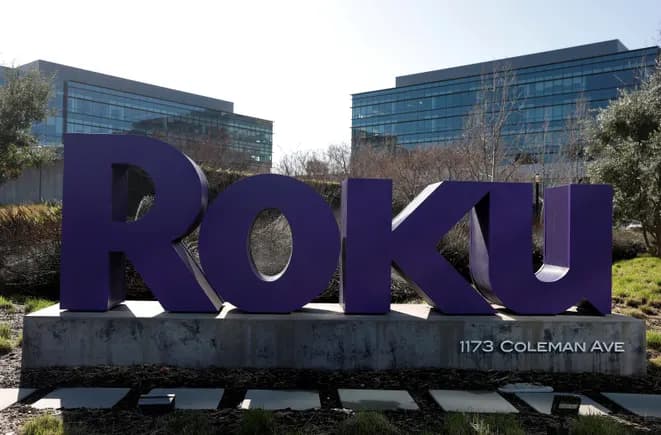

The Competitive Landscape of OTT Advertising
The Over-The-Top (OTT) advertising landscape is experiencing a seismic shift, driven by evolving consumer behaviors and technological advancements. With traditional television viewership declining, advertisers are increasingly reallocating budgets to digital platforms, creating a competitive battleground for market share. Roku, a leader in streaming technology, is capitalizing on this trend, demonstrating remarkable growth in video advertising. The company's innovative use of artificial intelligence (AI) and strategic collaborations, particularly with Amazon Ads, positions it as a formidable player in this rapidly expanding market.
As of late 2023, Roku's market share in the OTT advertising space is growing significantly, attributed to its ability to leverage data analytics and targeted advertising. The shift towards personalized content consumption has made it imperative for advertisers to engage viewers with relevant ads. Roku's robust platform allows for precise audience segmentation, enabling brands to deliver tailored messages that resonate with viewers. This capability not only enhances user experience but also drives higher engagement rates, making Roku an attractive option for advertisers.
However, the OTT advertising sector is not without its challenges. Increased competition from other platforms, such as Hulu, YouTube, and emerging players, poses a threat to Roku's growth trajectory. To maintain its competitive edge, Roku must continue to innovate and adapt to the evolving landscape, ensuring that it remains the go-to platform for advertisers seeking effective video ad solutions.
Roku's Technological Moat and Strategic Partnerships
At the heart of Roku's success is its sophisticated technological stack, which integrates AI tools to enhance ad targeting and measurement. The company's proprietary algorithms analyze viewer behavior, preferences, and engagement patterns, allowing advertisers to optimize their campaigns for maximum impact. This data-driven approach not only improves ad performance but also provides valuable insights that can inform future marketing strategies.
Roku's strategic partnership with Amazon Ads further strengthens its position in the market. By collaborating with one of the largest digital advertising platforms, Roku gains access to a broader audience and enhanced advertising capabilities. This partnership enables advertisers to leverage Amazon's extensive data resources, creating a more comprehensive advertising ecosystem. The integration of Amazon's advertising solutions into Roku's platform allows for seamless campaign execution, driving efficiency and effectiveness in ad delivery.
Moreover, Roku's commitment to innovation is evident in its continuous investment in AI and machine learning technologies. These advancements not only improve ad targeting but also enhance the overall user experience on the platform. By providing viewers with relevant content and advertisements, Roku fosters a more engaging environment that encourages longer viewing times and increased ad exposure. This virtuous cycle of engagement ultimately drives higher revenue for both Roku and its advertising partners.
Strategic Implications for Stakeholders in the Advertising Ecosystem
The implications of Roku's growth in the video ad market extend beyond the company itself, impacting various stakeholders in the advertising ecosystem. For advertisers, Roku presents a compelling opportunity to reach a highly engaged audience through targeted campaigns. The platform's ability to deliver personalized ads based on viewer preferences enhances the likelihood of conversion, making it an attractive option for brands looking to maximize their return on investment (ROI).
Media agencies and advertisers must also consider the importance of data in their advertising strategies. As Roku continues to refine its data analytics capabilities, advertisers who leverage these insights will gain a competitive advantage. Understanding viewer behavior and preferences will be crucial in crafting effective campaigns that resonate with target audiences.
For competing OTT platforms, Roku's success serves as a wake-up call to innovate and differentiate their offerings. As the market becomes increasingly saturated, platforms must explore unique value propositions that set them apart from competitors. This may involve investing in technology, enhancing user experience, or forming strategic partnerships to expand their reach.
Finally, investors should closely monitor Roku's performance and strategic initiatives. The company's ability to maintain its growth momentum in the face of competition will be a key indicator of its long-term viability. As Roku continues to evolve and adapt to the changing landscape, it presents an intriguing investment opportunity for those looking to capitalize on the burgeoning OTT advertising market.
In conclusion, Roku's strategic initiatives and technological advancements position it as a leader in the OTT advertising space. By leveraging AI tools and forming strategic partnerships, the company is not only enhancing its market share but also driving innovation in the industry. Stakeholders across the advertising ecosystem must recognize the implications of Roku's growth and adapt their strategies accordingly to thrive in this dynamic environment.
FAQ
Roku is leveraging its sophisticated technological stack, integrating AI for enhanced ad targeting and measurement, and forming strategic partnerships, notably with Amazon Ads, to expand its reach and advertising capabilities. This allows for precise audience segmentation and personalized ad delivery, driving higher engagement and revenue.
Roku's primary advantages lie in its advanced AI-driven data analytics for precise audience segmentation and personalized advertising, its robust platform capabilities, and its strategic collaborations, particularly with Amazon Ads, which create a more comprehensive advertising ecosystem.
Advertisers and media agencies can leverage Roku's platform to reach a highly engaged audience with targeted, personalized campaigns, maximizing ROI. They must also prioritize data-driven strategies, utilizing Roku's analytics to gain a competitive advantage by understanding viewer behavior and preferences.
Competing platforms must focus on innovation and differentiation to maintain relevance in a saturated market. This includes investing in technology, enhancing user experience, and exploring strategic partnerships to expand their reach and unique value propositions.

