

Intro: The Core Shift – From Technical to Cultural Failure
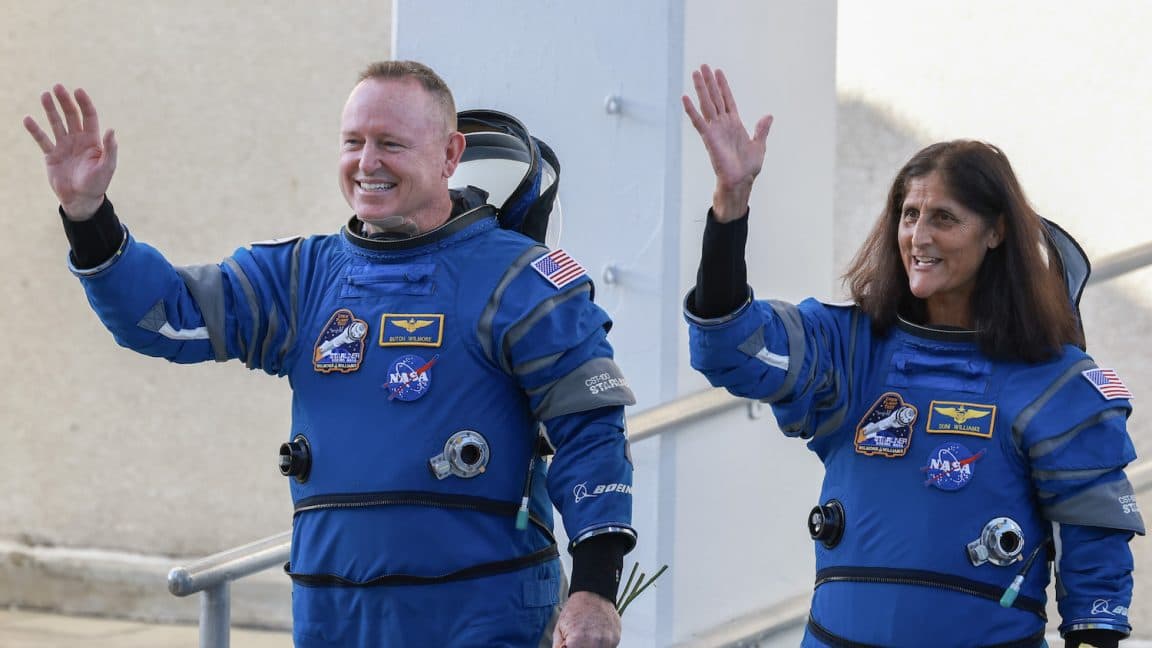
NASA's classification of Boeing's 2024 crewed Starliner flight as a 'Type A' mishap is not merely a technical setback—it is a strategic inflection point for the Commercial Crew Program. Administrator Jared Isaacman's admission that the most troubling failures stem from decision-making and leadership, not hardware, signals a fundamental cultural rot at Boeing and a failure of oversight at NASA. For executives monitoring space industry dynamics, this event reshapes competitive landscapes, risk profiles, and investment theses.
Key statistic: The uncrewed Starliner flight is now slated for April 2026, over two years after the mishap. This timeline underscores the depth of corrective work required and the opportunity cost for NASA, which remains dependent on a single provider for crew transport to the ISS.
Why this matters for your bottom line: The Starliner debacle concentrates power in SpaceX, delays NASA's goal of redundant crew access, and exposes Boeing to potential contract renegotiations or penalties. Companies with exposure to Boeing's space segment or NASA's procurement should reassess counterparty risk and competitive positioning.
Analysis: Strategic Consequences for Boeing, NASA, and SpaceX
Boeing's Reputation and Financial Exposure
The Type A mishap classification is the highest severity rating, indicating loss of crew or vehicle. While no lives were lost, the designation carries immense reputational damage. Boeing's space division, already bleeding cash from fixed-price contracts, now faces heightened scrutiny from Congress and NASA. The internal report revealing that previous thruster failure investigations lacked rigor suggests systemic quality assurance failures. For Boeing, the path forward requires not just technical fixes but a cultural overhaul—a multi-year endeavor that will strain resources and delay revenue recognition from Starliner milestones.
NASA's Commercial Crew Program: Single-Point Failure
NASA's strategy of certifying two commercial crew providers was designed to ensure redundancy. With Starliner grounded indefinitely, SpaceX's Crew Dragon becomes the sole certified vehicle for crew rotation to the ISS. This monopoly introduces single-point failure risk: any grounding of Crew Dragon would halt U.S. crew access. Moreover, NASA's admission of its own oversight failures weakens its bargaining position with Boeing and may lead to more prescriptive contract terms in future procurements. The program's credibility with Congress is at stake, potentially affecting funding for Artemis and other initiatives.
SpaceX: The Uncontested Winner
SpaceX emerges as the clear strategic winner. With Starliner sidelined, SpaceX will likely secure additional crew rotation missions and potentially higher pricing. The company's vertical integration and agile engineering culture stand in stark contrast to Boeing's legacy contractor model. For investors, SpaceX's dominance in crew transport reinforces its valuation narrative and may accelerate its timeline for Starship crewed missions. However, NASA's reliance on a single provider also creates regulatory risk: any future SpaceX mishap would be catastrophic for the program, potentially prompting government intervention.
Geopolitical and Industrial Base Implications
The Starliner failure weakens the U.S. industrial base for human spaceflight. Boeing's struggles may deter other traditional aerospace primes from entering fixed-price development contracts, shifting risk to newer entrants like Blue Origin or Sierra Space. Internationally, partners like ESA and JAXA will take note, potentially accelerating their own crew vehicle programs or deepening ties with SpaceX. The mishap also provides ammunition for critics of public-private partnerships, arguing that profit motives can undermine safety.
Bottom Line: Impact for Executives
For executives in aerospace, defense, and adjacent industries, the Starliner mishap demands immediate strategic reassessment. Boeing's space division faces a long, costly recovery; companies with Boeing as a supplier or partner should evaluate contingency plans. NASA's procurement strategy will likely shift toward more rigorous oversight and smaller, more agile contractors. SpaceX's market power will grow, but so will its regulatory and operational risks. The broader lesson: organizational culture and leadership accountability are as critical as engineering in high-stakes programs. Investors should monitor Boeing's corrective action plans, NASA's contract modifications, and any congressional hearings for signals of further disruption.
FAQ
The 'Type A' mishap classification signifies serious failures in both Boeing's design and NASA's oversight. For NASA, this poses a significant risk to its credibility, potentially impacting future funding, partnerships, and increasing congressional scrutiny. For Boeing, continued contracts hinge on their ability to swiftly rectify identified deficiencies, with potential for reputational damage if issues persist.
The most troubling failures stem from decision-making and leadership, not just hardware. Previous investigations into critical issues like thruster failures lacked rigor, indicating a cultural problem where critical issues were not adequately addressed. If not rectified, this cultural issue could hinder the success of future missions by allowing similar systemic problems to persist.
The financial ramifications are profound. Taxpayers may bear the burden of delays, potential redesigns, and increased oversight costs, negatively impacting the overall Return on Investment (ROI) for the Commercial Crew Program. The incident also puts NASA's credibility at stake, which could affect future funding allocations.
The immediate next step involves an uncrewed Starliner flight slated for April 2026, with significant risk mitigation work required. NASA's commitment to transparency and addressing leadership/decision-making failures is crucial for long-term trust. The strategic outlook depends on the successful implementation of corrective actions to ensure safety and reliability, restoring confidence in human spaceflight and the Commercial Crew Program's viability.


