
The Local Visibility Dilemma: Challenges in Google Business Profile Management
In the competitive landscape of local business visibility, managing a Google Business Profile (GBP) has become a critical yet cumbersome task for many enterprises. The GBP serves as a central hub for businesses to interact with potential customers, showcasing essential information such as location, hours of operation, and customer reviews. However, the sheer volume of data that needs to be managed can overwhelm small to medium-sized businesses (SMBs) that lack the resources to maintain an effective online presence. Furthermore, the dynamic nature of local search algorithms and the constant influx of customer feedback require businesses to be agile and responsive, often leading to operational inefficiencies and missed opportunities.
As businesses strive to enhance their online visibility, the challenge of maintaining an accurate and engaging GBP becomes even more pronounced. The risk of outdated information can lead to customer frustration and a loss of trust. Additionally, the competitive nature of local SEO means that businesses must continuously optimize their profiles to stay ahead of rivals. This scenario creates a perfect storm of complexity, where the need for effective GBP management intersects with the constraints of limited resources and technical expertise.
Decoding Semrush's GBP AI Agent: Under the Hood of Automation
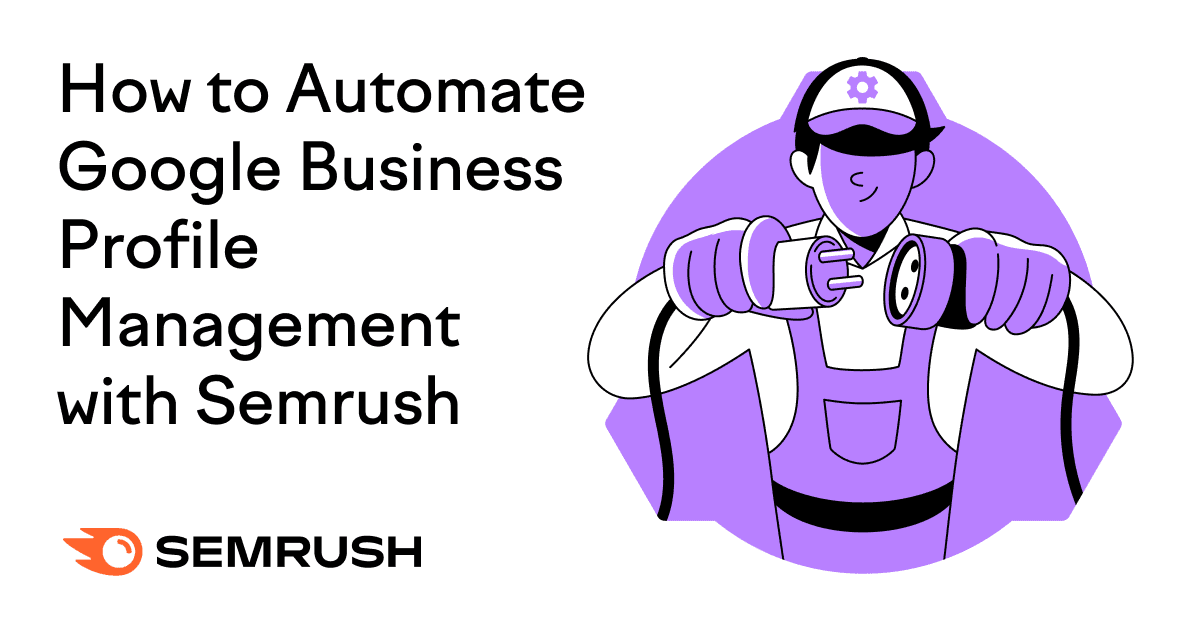
Semrush, a well-known player in the digital marketing space, has introduced its GBP AI Agent as a solution to the challenges faced by businesses in managing their Google Business Profiles. This tool leverages artificial intelligence to automate various aspects of GBP management, including content updates, response generation to customer reviews, and performance analytics. At its core, the GBP AI Agent aims to streamline the process, allowing businesses to focus on their core operations while the AI handles the intricacies of online visibility.
However, a deep dive into the technology reveals several layers of complexity. The AI model relies on natural language processing (NLP) to understand and generate human-like responses, which is a significant advancement. Yet, the effectiveness of this technology hinges on the quality of the data it is trained on. If the underlying data is biased or lacks diversity, the AI's outputs may not accurately reflect the nuances of local customer interactions. Moreover, the reliance on AI introduces a layer of vendor lock-in; businesses that adopt Semrush's solution may find themselves dependent on its ecosystem for ongoing updates and support.
Another critical aspect to consider is the latency involved in AI-driven automation. While the promise of real-time updates is enticing, the reality is that AI systems often require time to process data and generate outputs. This lag can be detrimental in fast-paced environments where timely responses to customer inquiries can significantly impact business outcomes. Furthermore, the integration of the GBP AI Agent into existing workflows may introduce technical debt, as businesses grapple with the complexities of aligning their operations with the new automated system.
Strategic Implications: Stakeholders in the GBP Ecosystem
The introduction of Semrush's GBP AI Agent has far-reaching implications for various stakeholders within the GBP ecosystem. For SMBs, the automation of GBP management can provide a much-needed lifeline, allowing them to compete more effectively in the local search arena. However, the potential for vendor lock-in raises concerns about long-term sustainability and flexibility. Businesses must weigh the benefits of automation against the risks of becoming overly reliant on a single provider.
For digital marketing agencies, the GBP AI Agent presents both opportunities and challenges. Agencies can leverage this tool to enhance their service offerings, providing clients with automated solutions for GBP management. However, agencies must also be cautious of the technical debt that may arise from integrating AI tools into their workflows. The need for continuous adaptation and learning will be paramount as the landscape of GBP management evolves.
Finally, for consumers, the automation of GBP management could lead to a more streamlined and efficient experience when searching for local businesses. However, there is a risk that the human touch may be lost in the process, leading to generic responses that fail to resonate with customers. As businesses increasingly rely on AI to manage their online presence, the challenge will be to maintain authenticity and build genuine connections with their audience.
In conclusion, while Semrush's GBP AI Agent offers a promising solution to the challenges of Google Business Profile management, it is crucial for stakeholders to approach this technology with a critical lens. The complexities of AI integration, vendor lock-in, and the potential for technical debt must be carefully navigated to ensure that the benefits of automation do not come at the expense of long-term viability and customer engagement.
FAQ
Businesses, particularly SMBs, struggle with the sheer volume of data, dynamic local search algorithms, and the constant need for customer interaction (reviews, inquiries). This complexity often leads to operational inefficiencies, outdated information, and missed opportunities to engage potential customers, hindering local visibility.
The GBP AI Agent automates tasks like content updates and review responses using AI and NLP. However, its effectiveness depends on training data quality, risking biased outputs. It also introduces vendor lock-in, potential latency in responses, and the risk of technical debt during integration.
For SMBs, it offers a competitive edge but raises concerns about long-term reliance on a single vendor. Marketing agencies can enhance services but must manage integration complexities and technical debt. Consumers may experience efficiency but risk losing the human touch and authenticity in business interactions.
Businesses must critically assess the benefits of automation against potential risks such as vendor lock-in, technical debt, and the potential loss of authentic customer engagement. A balanced approach is crucial to ensure long-term viability and effective customer relationships.