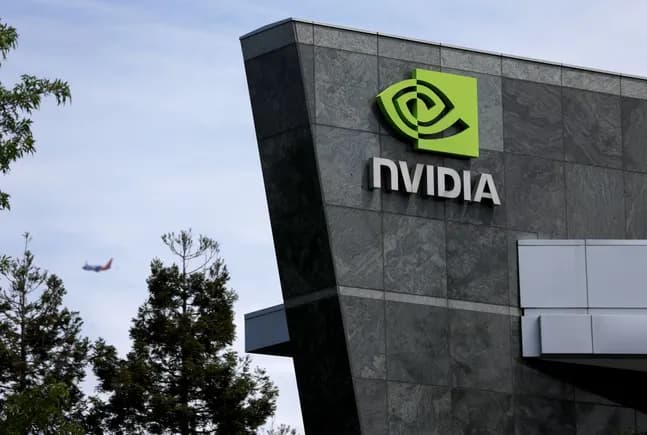
The current landscape of revenue growth is undergoing a fundamental transformation driven by artificial intelligence, shifting from traditional linear expansion to technology-fueled hyper-growth models. This evolution reveals a dual narrative where AI serves as both a powerful accelerator and a source of strategic tension. Companies like Nvidia demonstrate how deep integration with AI infrastructure can generate exponential returns, with data center revenue surging 75% as enterprises race to adopt next-generation computing capabilities. Meanwhile, platforms like Podium showcase how AI-powered customer engagement tools can deliver staggering 300% growth metrics, though such claims invite critical examination of underlying technology and sustainability. The emerging pattern suggests revenue growth is no longer merely about scaling operations, but about strategic positioning within AI value chains—whether as hardware providers enabling the ecosystem, or as software innovators leveraging AI to transform customer interactions. This creates a new competitive dynamic where growth trajectories are increasingly decoupled from traditional market cycles and tied directly to AI adoption curves.
Market Intelligence & Stakes
The stakes in this AI-driven revenue growth paradigm are exceptionally high, creating clear winners and exposing fundamental market shifts. Nvidia's position as the dominant hardware enabler—with revenue reaching $215 billion—demonstrates how controlling critical infrastructure layers (GPUs, data center solutions) can capture disproportionate value as AI adoption accelerates. This creates intense competition among semiconductor and cloud providers to secure similar strategic footholds. Simultaneously, the software landscape is experiencing fragmentation, with companies like Podium claiming extraordinary growth through AI integration, though this raises questions about technology differentiation and market durability. For advertisers and businesses, this environment presents both unprecedented opportunity and significant risk—as seen with AI Max's tension between revenue growth and rising customer acquisition costs. The broader implication is a bifurcated market: hardware and infrastructure providers benefiting from sustained, ecosystem-wide demand, versus application-layer companies facing more volatile growth patterns dependent on specific use-case adoption and competitive moats.