
The Fragmentation Tax: A Barrier to Growth in Media
In the fast-paced digital landscape, media organizations are grappling with a significant operational challenge known as the "Fragmentation Tax." This term, as articulated by Jason Konen in a recent article for Search Engine Journal, encapsulates the hidden costs associated with a disjointed technology stack, particularly in the context of content management systems (CMS) and marketing operations. The fragmentation arises from a reliance on legacy systems and an array of ad-hoc plugins, which together create a fragile infrastructure that stifles growth and innovation.
Media companies are tasked with the dual objectives of driving sustainable revenue and enhancing audience engagement. However, the presence of siloed data, cumbersome workflows, and mounting tech debt severely hampers their ability to execute effectively. The fragmentation manifests in three primary forms: siloed data leading to strategic blindness, editorial velocity gaps that delay content delivery, and the accumulation of tech debt that diverts resources away from innovation. Each of these issues directly impacts the bottom line, making it imperative for organizations to reassess their operational frameworks.
Building a Unified Publishing Engine: The Four Pillars
To mitigate the effects of the Fragmentation Tax, media organizations are increasingly adopting a unified publishing standard that streamlines operations across editorial, engineering, and marketing functions. This approach is structured around four key pillars that drive operational efficiency and enhance both SEO and monetization capabilities.
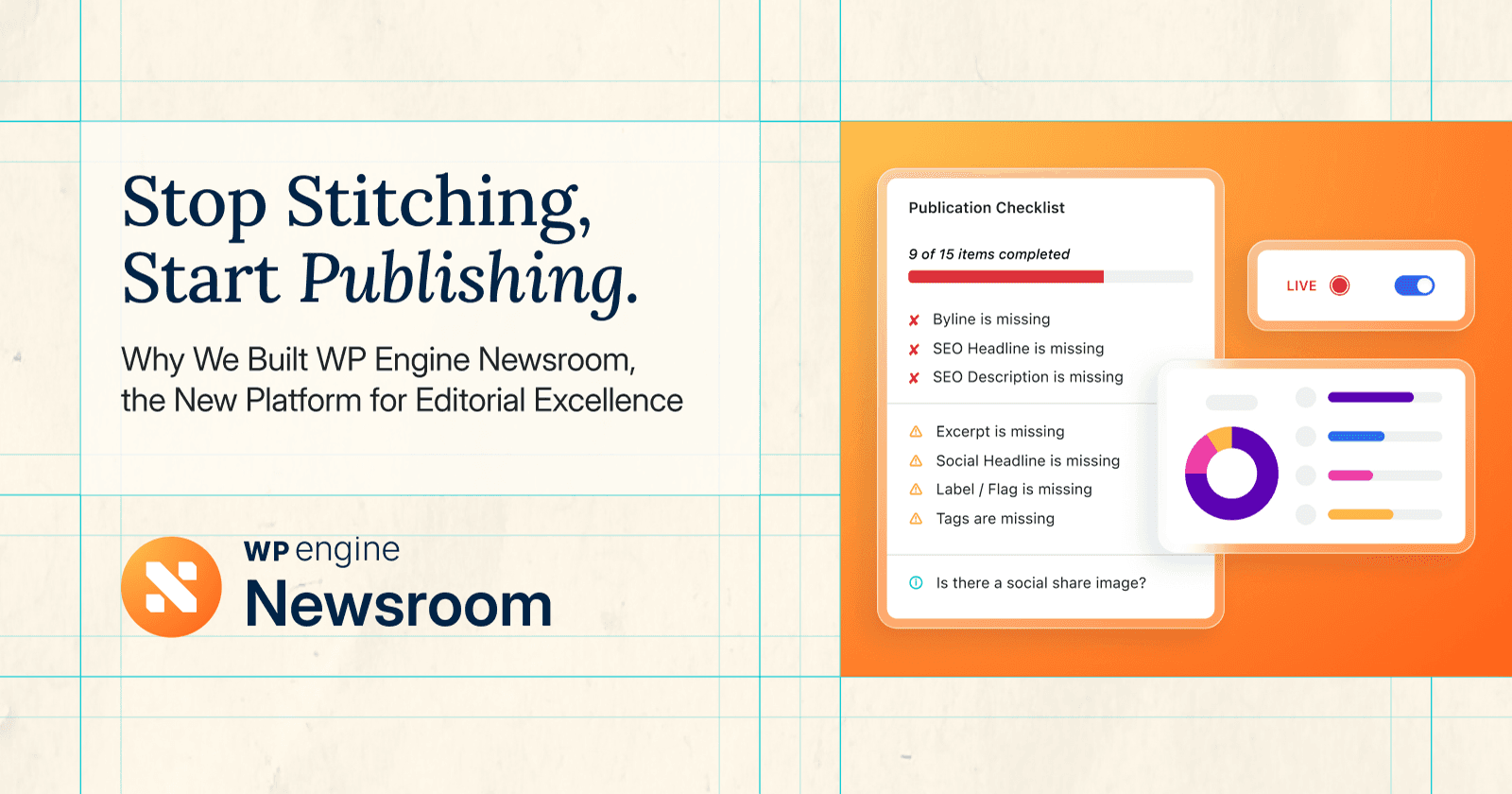
Pillar 1: Automated Governance - A unified publishing engine embeds governance directly into the workflow, ensuring that SEO metadata, tracking integrity, and brand standards are consistently applied. By utilizing automated checklists, organizations can safeguard against human error and ensure that every piece of content is optimized for discovery upon publication.
Pillar 2: Fearless Iteration - The ability to make real-time updates to high-traffic articles without risking site stability is crucial. A modern publishing approach allows for staged edits, enabling teams to draft and review changes on live content without immediate publication. This fosters a culture of continuous improvement, enhancing user experience while maintaining site uptime.
Pillar 3: Cross-Functional Collaboration - Breaking down silos between editorial, SEO, and engineering teams is essential for operational efficiency. A unified system facilitates collaborative editing, allowing SEO specialists and growth marketers to optimize content in real-time alongside journalists. This ensures that articles are market-ready the moment they are completed, significantly reducing workflow bottlenecks.
Pillar 4: Native Breaking News Capabilities - In an era where real-time storytelling is paramount, a unified publishing engine treats breaking news as an inherent capability. By eliminating reliance on third-party tools, organizations can deliver timely updates that keep audiences engaged, maximizing ad impressions and subscription opportunities.
The Strategic Implications for Media Stakeholders
For media executives, the transition to a unified publishing standard presents a strategic opportunity to reclaim growth and enhance market share. By addressing the Fragmentation Tax, organizations can unlock several key benefits that resonate across various stakeholder groups.
First, the reduction of operational inefficiencies directly translates to improved ROI. With a streamlined tech stack, resources can be reallocated from fixing legacy issues to driving innovation and growth initiatives. This not only enhances profitability but also positions companies to respond more agilely to market trends.
Second, the ability to capture and analyze integrated data provides a more comprehensive view of audience behavior. This strategic insight allows marketing teams to pivot based on actionable intelligence rather than vanity metrics, leading to more effective audience engagement strategies.
Finally, fostering a culture of collaboration and innovation empowers teams to respond swiftly to emerging trends and opportunities. By creating an environment where editorial, engineering, and marketing functions operate cohesively, organizations can enhance their competitive edge in an increasingly crowded digital marketplace.
As reported by Search Engine Journal, the era of relying on a "sticky-taped" tech stack is coming to an end. Media organizations must embrace a unified approach to publishing that not only addresses current challenges but also prepares them for future disruptions. By investing in a robust infrastructure that supports agility and innovation, these companies can transition from merely surviving to thriving in the digital age.
FAQ
The "Fragmentation Tax" refers to the hidden costs and operational inefficiencies arising from a disjointed technology stack, often due to legacy systems and numerous plugins. This fragmentation leads to siloed data, slow content delivery (editorial velocity gaps), and accumulated tech debt, all of which hinder revenue growth and audience engagement.
The four pillars are: 1. Automated Governance (embedding SEO, tracking, and brand standards into workflows); 2. Fearless Iteration (allowing safe, real-time updates to live content); 3. Cross-Functional Collaboration (breaking down silos between editorial, SEO, and engineering); and 4. Native Breaking News Capabilities (streamlining real-time content delivery without third-party dependencies).
Adopting a unified publishing standard leads to reduced operational inefficiencies and improved ROI by reallocating resources from tech debt to innovation. It provides integrated data for better audience insights and more effective engagement strategies. Furthermore, it fosters a collaborative culture, enhancing agility and competitive edge in the digital marketplace.
Automated governance ensures SEO metadata and tracking integrity are consistently applied from the outset. Fearless iteration allows for continuous improvement of live content, while cross-functional collaboration enables real-time optimization by SEO and marketing teams. Native breaking news capabilities ensure timely delivery, maximizing ad impressions and subscription opportunities.