
Humanitarian Crisis and Geopolitical Dynamics in Gaza
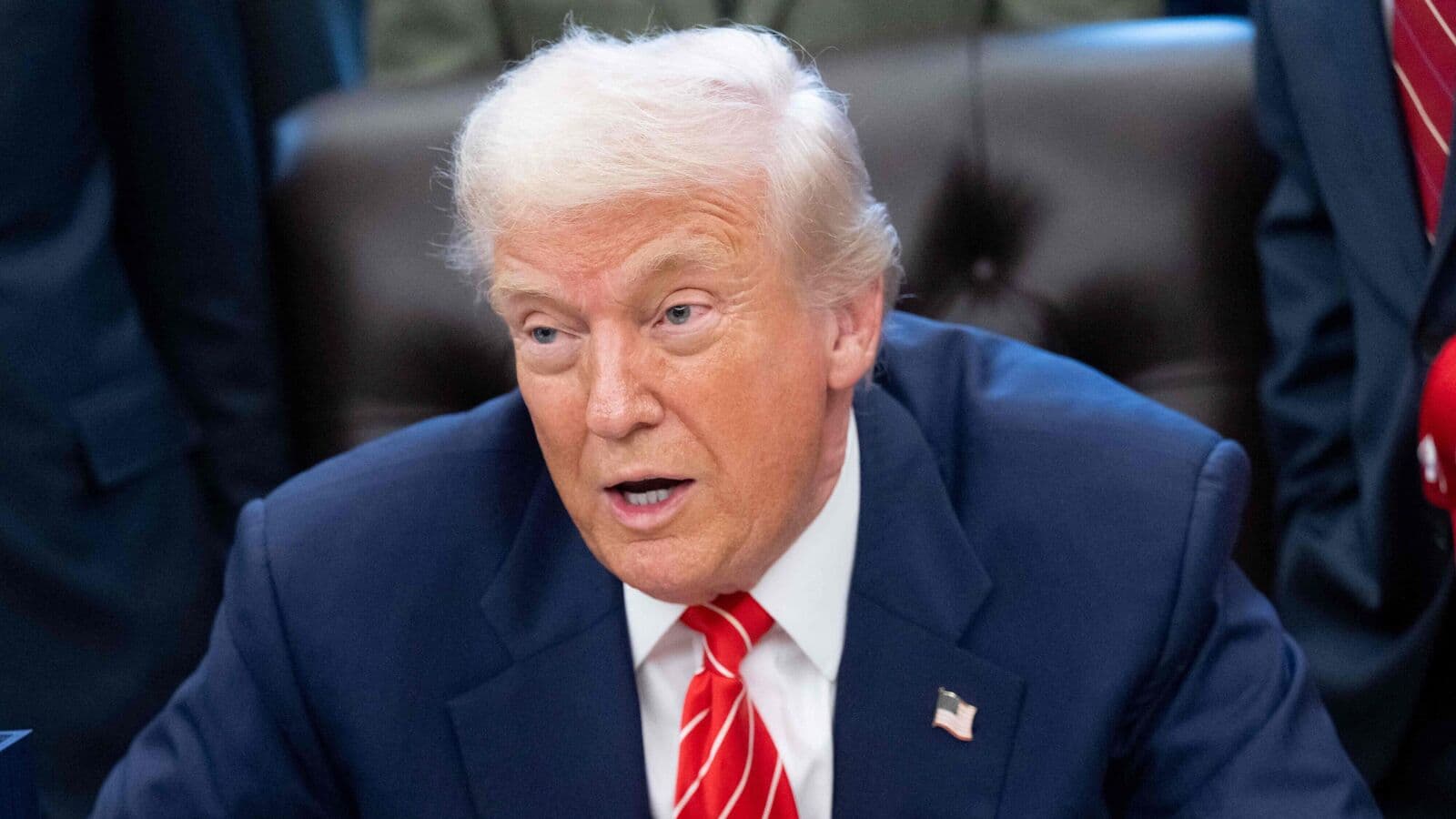
The announcement of a $5 billion aid package for Gaza by former President Donald Trump signifies a critical intervention aimed at addressing the ongoing humanitarian crisis and the broader geopolitical dynamics in the region. The Gaza Strip, home to approximately 2 million Palestinians, has faced significant challenges, including high unemployment rates, restricted access to essential services, and ongoing conflict. This initiative comes at a time when international attention is focused on stabilizing the region post-conflict, with a particular emphasis on humanitarian relief and security stabilization.
Trump's proposal is not merely a philanthropic gesture; it represents a strategic maneuver aimed at re-establishing influence in Middle Eastern geopolitics. By positioning himself as a key player in humanitarian efforts, Trump seeks to regain favor among both domestic and international audiences, particularly amid a polarized political landscape in the United States. The initiative also aligns with broader macro-trends that emphasize the importance of humanitarian aid as a tool for diplomatic engagement.
Moreover, the aid package is likely to be scrutinized through the lens of its potential impact on U.S. foreign policy and its implications for regional actors, including Israel and neighboring Arab states. The complex interplay of interests in the region necessitates a nuanced understanding of how such initiatives can either foster peace or exacerbate tensions.
Mechanisms of Aid Distribution and Strategic Partnerships
Understanding the mechanisms through which the $5 billion aid package will be distributed is crucial for assessing its potential effectiveness. The initiative is expected to focus on two primary areas: humanitarian relief and security stabilization. Humanitarian relief will likely involve direct assistance to NGOs and international organizations already operating in Gaza, while security stabilization may involve partnerships with local governments and international bodies to ensure a stable environment for aid distribution.
The effectiveness of this aid initiative hinges on the establishment of robust partnerships with credible organizations capable of executing the distribution of funds effectively. Key players may include the United Nations Relief and Works Agency (UNRWA), which has historically provided services to Palestinian refugees, and various NGOs that focus on health, education, and infrastructure development. These partnerships are essential not only for logistical execution but also for ensuring that the aid reaches those most in need, thereby enhancing the initiative's credibility.
Furthermore, the aid package may leverage technology to enhance transparency and accountability in fund distribution. Digital platforms can facilitate real-time tracking of aid flows, ensuring that resources are allocated efficiently and effectively. This tech-driven approach could serve as a model for future aid initiatives, emphasizing the importance of accountability in international aid.
Strategic Outlook for Stakeholders in the Region
The strategic implications of Trump's $5 billion Gaza aid initiative extend far beyond immediate humanitarian relief. For stakeholders, including U.S. policymakers, regional governments, and international organizations, the initiative presents both opportunities and challenges. For U.S. policymakers, this initiative offers a chance to reshape America's role in the Middle East, potentially enhancing its standing among Arab nations while simultaneously addressing domestic calls for more proactive foreign engagement.
For regional governments, particularly Israel and Egypt, the aid package could alter the dynamics of their relationships with the Palestinian territories. A stabilized Gaza may reduce security threats and foster a more conducive environment for peace negotiations. However, there is also the risk that increased aid could embolden militant factions within Gaza, complicating the security landscape further.
International organizations stand to benefit from increased funding and resources, enabling them to expand their operations and enhance their impact in the region. However, they must also navigate the complexities of local governance and ensure that aid is not misappropriated or used to further conflict.
In conclusion, Trump's $5 billion Gaza aid initiative represents a multifaceted approach to addressing a pressing humanitarian crisis while also serving broader geopolitical interests. The success of this initiative will depend on effective partnerships, transparent mechanisms for aid distribution, and the ability to navigate the complex political landscape of the region.
FAQ
The initiative is strategically designed to re-establish U.S. influence in Middle Eastern geopolitics by positioning the former President as a key player in humanitarian efforts, aiming to regain favor domestically and internationally, and to demonstrate a proactive U.S. foreign engagement.
The aid will focus on humanitarian relief (via NGOs and international organizations) and security stabilization (through partnerships with local governments and international bodies). Effectiveness hinges on robust partnerships with credible organizations like UNRWA and NGOs, and potentially leveraging technology for transparency and accountability in fund distribution.
For Israel and Egypt, a stabilized Gaza could reduce security threats and create a more conducive environment for peace negotiations. However, there's also a risk that increased aid could inadvertently embolden militant factions, complicating the regional security landscape.
This initiative offers U.S. policymakers an opportunity to reshape America's role in the Middle East, potentially enhancing its standing with Arab nations and addressing domestic demands for more active foreign policy. The challenge lies in navigating the complex political landscape to ensure the aid achieves its intended outcomes without exacerbating tensions.