

The Inflationary Landscape: A New Era for Consumers and Businesses
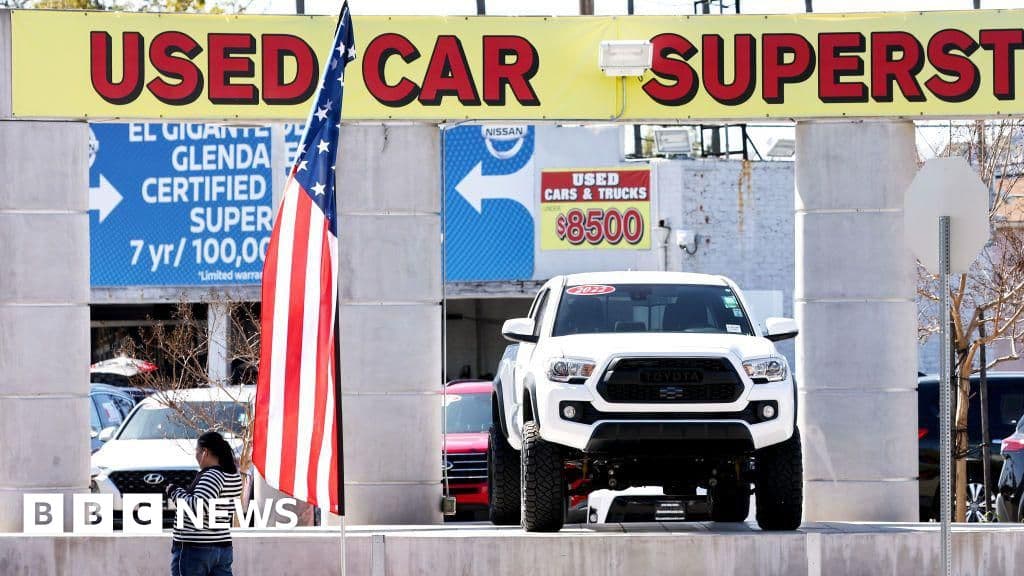
As of October 2023, the inflation rate in the United States has moderated to 2.4% year-over-year, a notable decrease primarily attributed to a significant drop in used car prices. This decline in inflation presents a dual-edged sword for businesses and consumers alike. For consumers, it translates to enhanced purchasing power and reduced financial strain, while for businesses, it opens avenues for strategic expansion and market share growth.
The automotive sector, particularly the used car market, has been a bellwether for broader economic trends. The recent price drop in used vehicles, which had previously surged due to supply chain disruptions and increased demand during the pandemic, signals a shift towards stabilization. This stabilization can be interpreted as a broader easing of inflationary pressures, which may encourage consumer spending across various sectors. Companies that can adapt swiftly to these changes stand to gain significant competitive advantages.
Decoding the Mechanisms Behind Inflationary Trends
Understanding the mechanisms that drive inflation, particularly the role of used car prices, is essential for businesses aiming to capitalize on current economic conditions. The used car market has historically been sensitive to macroeconomic factors, including interest rates, consumer confidence, and supply chain dynamics. The recent price decline can be attributed to several interconnected factors:
- Supply Chain Recovery: The automotive industry has been grappling with supply chain disruptions, particularly with semiconductor shortages that hampered vehicle production. As these issues begin to resolve, a more stable supply of vehicles has led to decreased prices in the used car market.
- Consumer Behavior Shifts: With inflationary pressures easing, consumers are likely to shift their spending patterns. Increased confidence may lead to higher demand for new vehicles, further driving down used car prices as buyers opt for newer models.
- Interest Rate Adjustments: The Federal Reserve's monetary policy, particularly its interest rate adjustments, plays a pivotal role in influencing consumer financing options. Lower interest rates can stimulate borrowing and spending, which in turn can impact vehicle sales and pricing.
Businesses that understand these dynamics can leverage them to optimize pricing strategies, enhance inventory management, and improve customer engagement. For instance, automotive dealerships can capitalize on the influx of used vehicles by offering competitive financing options or trade-in incentives to attract consumers.
Strategic Implications for Stakeholders: Seizing the Moment
The implications of a slowing inflation rate and declining used car prices are far-reaching, affecting a multitude of stakeholders across various industries. Here’s how different sectors can strategically position themselves:
- Automotive Industry: Manufacturers and dealerships should focus on enhancing their market share by promoting new vehicle sales while strategically managing used vehicle inventories. With consumer confidence on the rise, innovative marketing strategies that highlight affordability and value can drive sales growth.
- Retail Sector: Retailers can benefit from increased consumer spending power. As inflation eases, businesses should consider revising pricing strategies to attract customers who may have been hesitant to spend in a high-inflation environment. Promotions and loyalty programs can further incentivize purchases.
- Financial Services: Banks and financial institutions can seize the opportunity to offer attractive financing options for both new and used vehicles. Tailored loan products with competitive interest rates can stimulate demand and foster customer loyalty.
- Investors: Investors should closely monitor sectors poised for growth due to these economic shifts. Companies that adapt quickly to changing consumer preferences and economic conditions are likely to outperform their competitors, making them attractive investment opportunities.
In conclusion, the current economic environment presents a unique opportunity for businesses to recalibrate their strategies in response to changing consumer behaviors and market dynamics. By understanding the underlying mechanisms of inflation and leveraging them effectively, companies can enhance their market share and drive quarterly growth.
As we move forward, it is imperative for stakeholders to remain agile and responsive to macro-trends that influence consumer behavior. The ability to pivot and adapt will be critical in capitalizing on the opportunities presented by the current economic landscape.
FAQ
The moderation of inflation to 2.4% signifies increased consumer purchasing power and reduced financial strain. For businesses, this translates to an opportune moment for strategic expansion and market share growth, especially by adapting pricing strategies, optimizing inventory, and enhancing customer engagement to capitalize on anticipated shifts in consumer spending.
The decline is driven by a recovery in supply chains (especially semiconductors), potential shifts in consumer behavior towards new vehicles, and Federal Reserve interest rate adjustments. Businesses, particularly in the automotive sector, can leverage this by offering competitive financing, trade-in incentives, and by strategically managing used vehicle inventory to attract consumers seeking value.
Automotive companies should focus on market share growth through new vehicle sales and strategic used inventory management. Retailers can revise pricing strategies and implement promotions to capture increased consumer spending power. Financial services can offer attractive, competitive financing options for vehicle purchases to stimulate demand and build loyalty.
Investors should identify and monitor sectors poised for growth due to these economic shifts, particularly those that demonstrate agility in adapting to changing consumer preferences and market dynamics. Companies that can effectively leverage easing inflation and shifting consumer behavior are likely to offer attractive investment opportunities.