Executive Summary
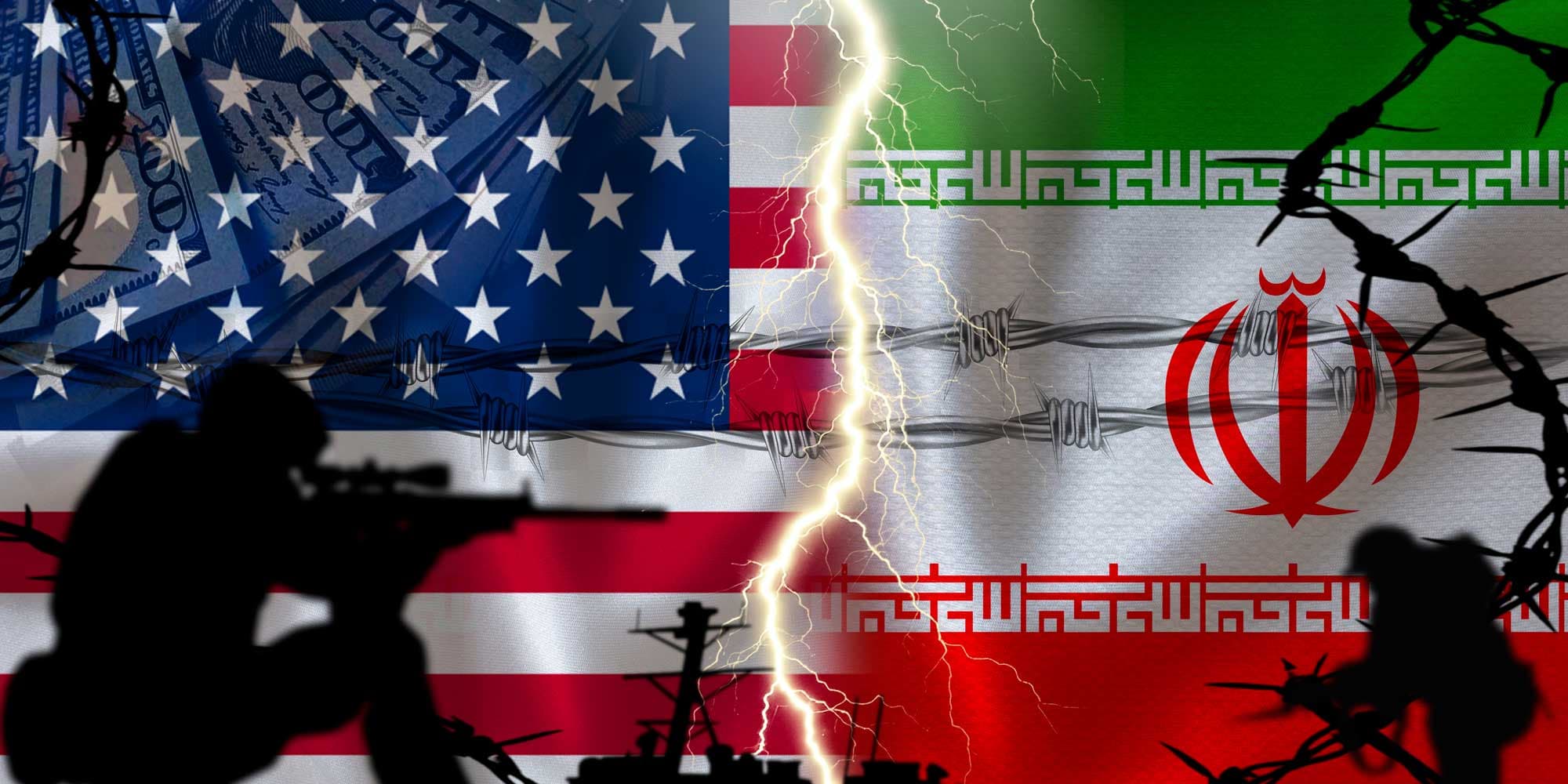
The ongoing conflict between the United States and Iran has escalated significantly, with US military operations reportedly ahead of schedule. This rapid escalation has profound implications for regional stability, global markets, and international relations. The US Central Command's aggressive strategy, characterized by extensive airstrikes and the targeting of Iranian military infrastructure, signals a shift in the balance of power in the Middle East. With over 50,000 US troops involved and Iran's military capabilities severely diminished, the stakes are high as the conflict impacts not only the immediate region but also global economic dynamics.
Key Insights
- The US military's 'Operation Epic Fury' has commenced, with airstrikes targeting Iranian military assets, including launch sites and aerial defense systems.
- US Admiral Brad Cooper reported that the initial phase of the operation has exceeded expectations, with a scale of bombardment nearly double that of the Iraq War's 'Shock and Awe' campaign.
- Iran's military capabilities have been significantly degraded, with reports of over 2,000 targets hit and a substantial loss of naval assets.
- Casualties in Iran have been high, with reports indicating nearly 800 deaths, including significant civilian losses, leading to a humanitarian crisis.
- The conflict has led to over 20,000 flight cancellations, impacting global travel and tourism industries as countries scramble to repatriate stranded citizens.
Strategic Implications
Industry Impact
The escalation of the US-Iran conflict has immediate repercussions for various industries, particularly aviation and tourism. With over 20,000 flight cancellations reported, airlines are facing significant operational challenges and financial losses. The travel disruptions are likely to extend beyond immediate cancellations, affecting future bookings and consumer confidence in travel safety. This situation could catalyze a reevaluation of risk management strategies within the tourism sector, prompting companies to enhance their crisis response protocols.
Additionally, the military engagement could lead to increased demand for defense contractors and related industries as the US government seeks to bolster its military presence and capabilities in the region. Companies involved in defense technology and logistics may see a surge in contracts, as the Pentagon ramps up its operations.
Investor Landscape
For investors, the current conflict presents both risks and opportunities. The volatility in global markets, driven by the uncertainty surrounding the US-Iran situation, could lead to short-term declines in stock prices across various sectors. However, defense and energy stocks may experience upward momentum as investors seek to capitalize on increased military spending and potential disruptions in oil supply chains.
Furthermore, the geopolitical landscape may shift investor focus towards emerging markets less affected by the conflict, prompting a reallocation of capital. Investors should closely monitor developments in the Middle East, as the potential for further escalation could lead to significant market fluctuations.
Competitive Dynamics
The conflict has implications for competitive dynamics among regional powers. Israel's active involvement in targeting Iranian assets indicates a strategic pivot in its military posture, potentially altering the balance of power in the region. This could provoke responses from other nations aligned with Iran, such as Russia and China, leading to a more complex geopolitical environment.
Moreover, the rapid pace of US military operations may embolden other nations to reassess their military strategies, potentially leading to an arms race in the region. Countries may seek to enhance their military capabilities in response to perceived threats, further destabilizing the situation.
Policy Considerations
The escalation of hostilities raises critical policy considerations for the US and its allies. The Trump administration's justification for the assault, based on perceived threats from Iran, underscores the need for a coherent and strategic approach to foreign policy in the region. The potential for increased US casualties and the humanitarian impact of the conflict could lead to domestic pressure for a reevaluation of military engagement strategies.
Furthermore, the international community's response to the conflict will be crucial in shaping future diplomatic efforts. The humanitarian crisis resulting from the conflict may prompt calls for intervention and support from global organizations, necessitating a coordinated response to address the needs of affected populations.
The Bottom Line
The US-Iran conflict represents a significant escalation in military engagement, with profound implications for regional stability and global markets. As the situation unfolds, stakeholders across industries and sectors must prepare for potential disruptions and reassess their strategies in light of the rapidly changing geopolitical landscape. The balance of power in the Middle East is shifting, and the ramifications of this conflict will be felt far beyond its immediate borders.