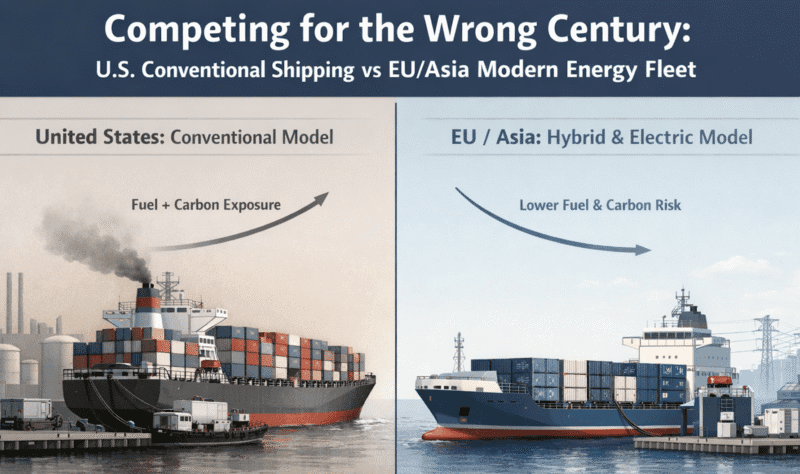

The Current Landscape
The U.S. Maritime Action Plan emerges against a backdrop of declining domestic shipbuilding capabilities, a trend that poses significant risks to both national security and economic stability. Historically, the U.S. has been a leader in maritime innovation and shipbuilding, but recent years have seen a troubling decrease in the number of operational shipyards and skilled laborers in this sector. According to the U.S. Department of Defense, the country’s shipbuilding capacity has diminished by over 30% in the last two decades, raising alarms about the readiness of the U.S. Navy and its ability to project power globally.
Furthermore, geopolitical tensions, particularly with nations like China and Russia, necessitate a robust maritime presence to safeguard U.S. interests. The U.S. Maritime Action Plan aims to reverse this decline by prioritizing modernization and workforce development. This initiative is not merely a response to current challenges but a proactive strategy to ensure that the U.S. maintains its competitive edge in maritime operations. By investing in advanced technologies and training programs, the plan seeks to revitalize the shipbuilding industry, ensuring that it can meet the demands of modern warfare and commerce.
In addition to national security implications, the economic ramifications of a robust maritime sector are significant. The shipbuilding industry supports hundreds of thousands of jobs and contributes billions to the economy. By revitalizing this sector, the U.S. can enhance its economic resilience while simultaneously ensuring that it is prepared to face future challenges in an increasingly complex global landscape.
Technical & Business Moats
The U.S. Maritime Action Plan emphasizes the development of technical and business moats that can provide a sustainable competitive advantage in the maritime industry. Key players in this sector include established shipbuilders like Huntington Ingalls Industries (HII) and General Dynamics, both of which have significant contracts with the U.S. government and a strong reputation for quality. These companies possess advanced capabilities in designing and constructing naval vessels, which are critical for national defense.
One of the primary technical moats is the integration of cutting-edge technologies such as artificial intelligence (AI), automation, and advanced materials. For instance, the use of AI in ship design and operations can lead to more efficient and effective vessels, reducing costs and enhancing performance. Companies that invest in these technologies will not only improve their operational efficiency but also position themselves as leaders in innovation, attracting both government and commercial contracts.
Moreover, the workforce development aspect of the plan addresses the skills gap that has emerged in the shipbuilding industry. By partnering with educational institutions and training programs, companies can cultivate a skilled labor force adept in modern shipbuilding techniques. This initiative creates a business moat by ensuring a continuous supply of qualified workers, reducing reliance on external labor markets, and enhancing overall productivity.
Additionally, the U.S. Maritime Action Plan promotes collaboration between public and private sectors, fostering an ecosystem that encourages innovation and investment. This collaboration can lead to shared resources, knowledge transfer, and risk mitigation, further solidifying the competitive position of U.S. shipbuilders in the global market.
Future Implications
The implications of a revitalized U.S. maritime strategy are profound, both for national security and the economy. As the U.S. strengthens its shipbuilding capabilities, it will enhance its ability to respond to global threats and assert its influence in international waters. This strategic posture is essential in an era where maritime dominance is increasingly contested.
From an economic perspective, a robust maritime industry can stimulate job creation and innovation. The revitalization of shipyards and the introduction of advanced manufacturing techniques can lead to a resurgence in domestic production, reducing dependence on foreign shipbuilders. This shift not only benefits the economy but also aligns with broader national interests of self-sufficiency and resilience.
Furthermore, as the U.S. invests in modernizing its fleet and infrastructure, it can expect to see a ripple effect across various sectors, including technology, logistics, and defense. The integration of advanced technologies will likely drive demand for new products and services, creating opportunities for startups and established firms alike.
In conclusion, the U.S. Maritime Action Plan represents a strategic pivot towards strengthening the nation’s maritime capabilities. By focusing on modernization and workforce development, the U.S. can secure its position as a global maritime leader, ensuring both national security and economic prosperity for years to come.
FAQ
The decline in U.S. shipbuilding capabilities poses significant risks to national security, including a diminished ability for the U.S. Navy to project power globally and respond to geopolitical tensions. Economically, it threatens job creation, billions in economic contribution, and overall economic resilience.
The plan focuses on developing 'technical and business moats' by integrating cutting-edge technologies like AI and automation, investing in advanced materials, and crucially, addressing the skills gap through workforce development partnerships. This fosters innovation and ensures a continuous supply of skilled labor.
A revitalized maritime industry will stimulate job creation and innovation, potentially leading to a resurgence in domestic production and reduced reliance on foreign shipbuilders. This also creates a ripple effect across technology, logistics, and defense sectors, fostering new opportunities.
Public-private collaboration is essential for fostering an ecosystem that encourages innovation and investment. This partnership facilitates shared resources, knowledge transfer, and risk mitigation, thereby solidifying the competitive position of U.S. shipbuilders in the global market.