

The Current Landscape
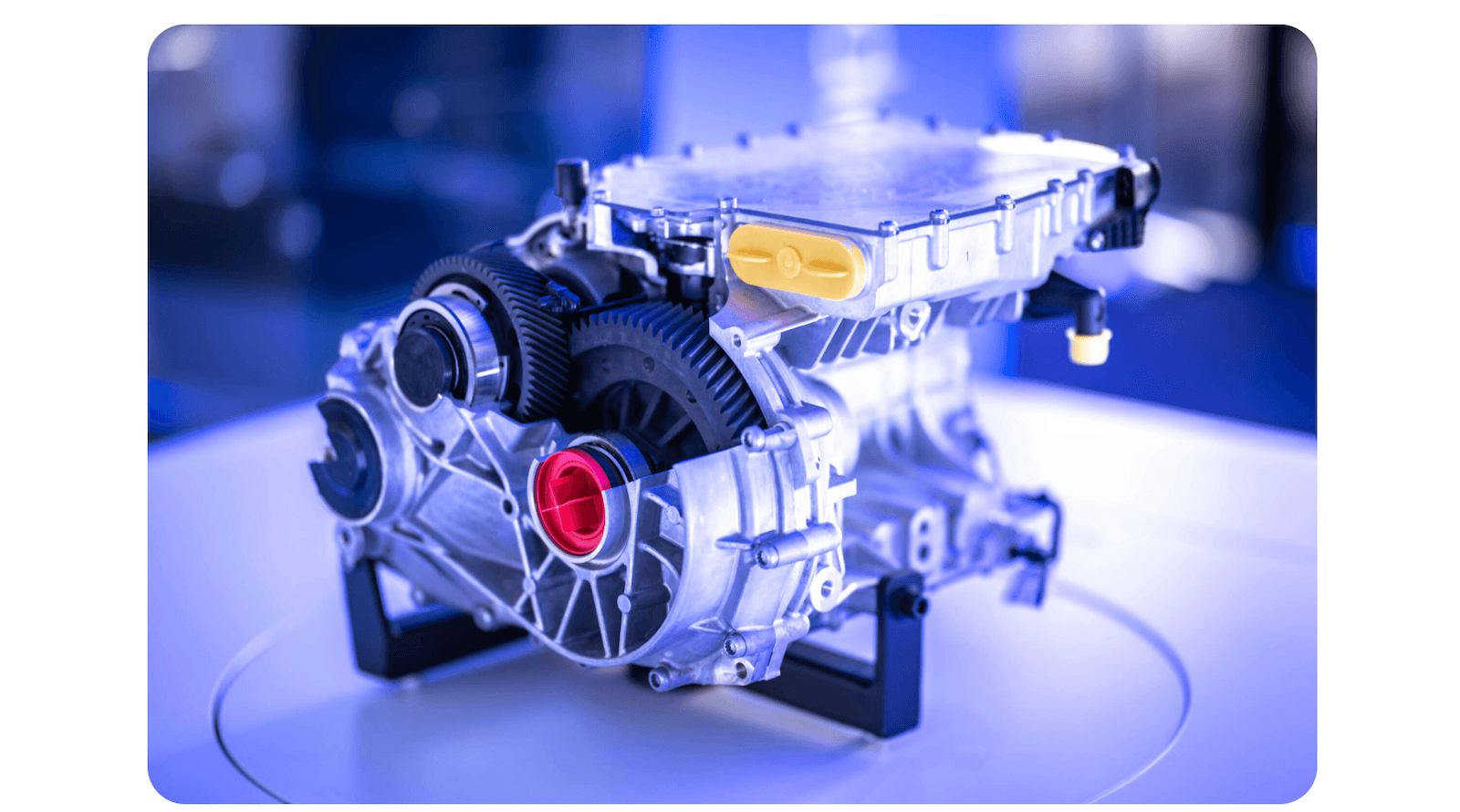
Volkswagen Group, a leading global automotive manufacturer headquartered in Wolfsburg, Germany, has recently announced a significant achievement in its electric vehicle (EV) production journey: the production of its 5 millionth electric drive unit. This milestone underscores Volkswagen's commitment to electrification and its strategic pivot towards sustainable mobility solutions in a rapidly evolving automotive landscape.
As the automotive industry faces increasing pressure from regulatory bodies and consumer demand for greener alternatives, Volkswagen's accomplishment highlights its proactive approach to electric mobility. The company has been investing heavily in electric vehicle technology and infrastructure, aiming to become a leader in the global EV market. This production milestone is not just a number; it represents a substantial shift in Volkswagen's operational capabilities and market positioning, particularly as traditional internal combustion engine (ICE) vehicles face declining demand.
Volkswagen's electric drive units are integral components of its electric vehicles, powering models across its various brands, including Volkswagen, Audi, and Porsche. The production of 5 million units reflects the company's extensive manufacturing capabilities, which span multiple factories worldwide. This achievement is particularly noteworthy given the competitive landscape, where other automakers are also racing to ramp up their EV production capabilities. Volkswagen's ability to scale production efficiently positions it favorably against competitors like Tesla, Ford, and General Motors, who are also making significant investments in electric mobility.
Technical & Business Moats
Volkswagen's competitive advantages in the electric vehicle sector are multifaceted, encompassing both technological innovations and strategic business maneuvers. One of the key technical moats is its Modular Electric Drive Matrix (MEB) platform, which allows for the efficient production of various electric vehicle models on a single assembly line. This platform not only reduces manufacturing costs but also accelerates the development cycle for new models, enabling Volkswagen to respond swiftly to market demands.
Furthermore, Volkswagen has established a robust supply chain for critical components such as batteries, which are essential for electric drive units. The company has formed strategic partnerships with battery manufacturers like Northvolt and LG Chem to secure a stable supply of high-quality battery cells. This vertical integration strategy not only enhances production efficiency but also mitigates risks associated with supply chain disruptions, a crucial consideration in today's volatile market environment.
From a business perspective, Volkswagen's brand portfolio provides a significant advantage. The company operates multiple well-established brands, each with its own loyal customer base. This diversity allows Volkswagen to target various market segments effectively, from budget-conscious consumers to luxury buyers. By leveraging its extensive brand equity, Volkswagen can introduce electric variants of existing models, thus facilitating a smoother transition for consumers who may be hesitant to switch to fully electric vehicles.
Additionally, Volkswagen's commitment to sustainability extends beyond vehicle production. The company has set ambitious goals to reduce its carbon footprint across its operations, aiming for carbon neutrality by 2050. This commitment resonates with environmentally conscious consumers and enhances Volkswagen's brand image in an era where sustainability is becoming a key purchasing criterion.
Future Implications
The production of 5 million electric drive units is not merely a milestone; it signifies a strategic inflection point for Volkswagen. As the global automotive market transitions towards electrification, this achievement positions Volkswagen as a formidable player in the EV sector. The company's ability to produce electric drive units at scale will likely enhance its competitive edge, allowing it to capture a larger share of the growing EV market.
Looking ahead, the implications of this milestone are profound. First, Volkswagen's commitment to expanding its electric vehicle lineup will likely accelerate, with plans to introduce numerous new models in the coming years. This diversification of offerings will cater to varying consumer preferences and further solidify Volkswagen's market presence.
Moreover, the company's advancements in electric drive technology could lead to innovations that enhance vehicle performance, efficiency, and range. As consumers increasingly prioritize these attributes, Volkswagen's focus on R&D in this area will be critical to maintaining its competitive advantage.
Finally, the broader implications for the automotive industry are significant. Volkswagen's success in scaling electric drive unit production may prompt other manufacturers to intensify their electrification efforts, potentially leading to a more competitive landscape. This could result in accelerated advancements in EV technology and infrastructure, ultimately benefiting consumers through improved choices and lower prices.
FAQ
This milestone demonstrates Volkswagen's significant manufacturing scale and operational readiness for electrification, positioning them as a formidable competitor against established and emerging EV players by showcasing their ability to meet growing market demand and leverage their diverse brand portfolio.
Volkswagen's primary moats include its adaptable Modular Electric Drive Matrix (MEB) platform for cost-efficient, rapid model development, a secured and vertically integrated battery supply chain through strategic partnerships, and the advantage of its multi-brand portfolio to target diverse market segments and leverage existing customer loyalty.
The 5 million unit milestone signals a strategic inflection point, enabling Volkswagen to accelerate its EV lineup expansion, drive further innovation in electric drive technology for enhanced performance and range, and solidify its market leadership as the industry increasingly shifts towards electric mobility.
Volkswagen's ambitious carbon neutrality goals by 2050 and focus on sustainable operations enhance its brand image, appealing to environmentally conscious consumers and reinforcing its strategic pivot towards electric mobility as a key purchasing criterion in today's market.

