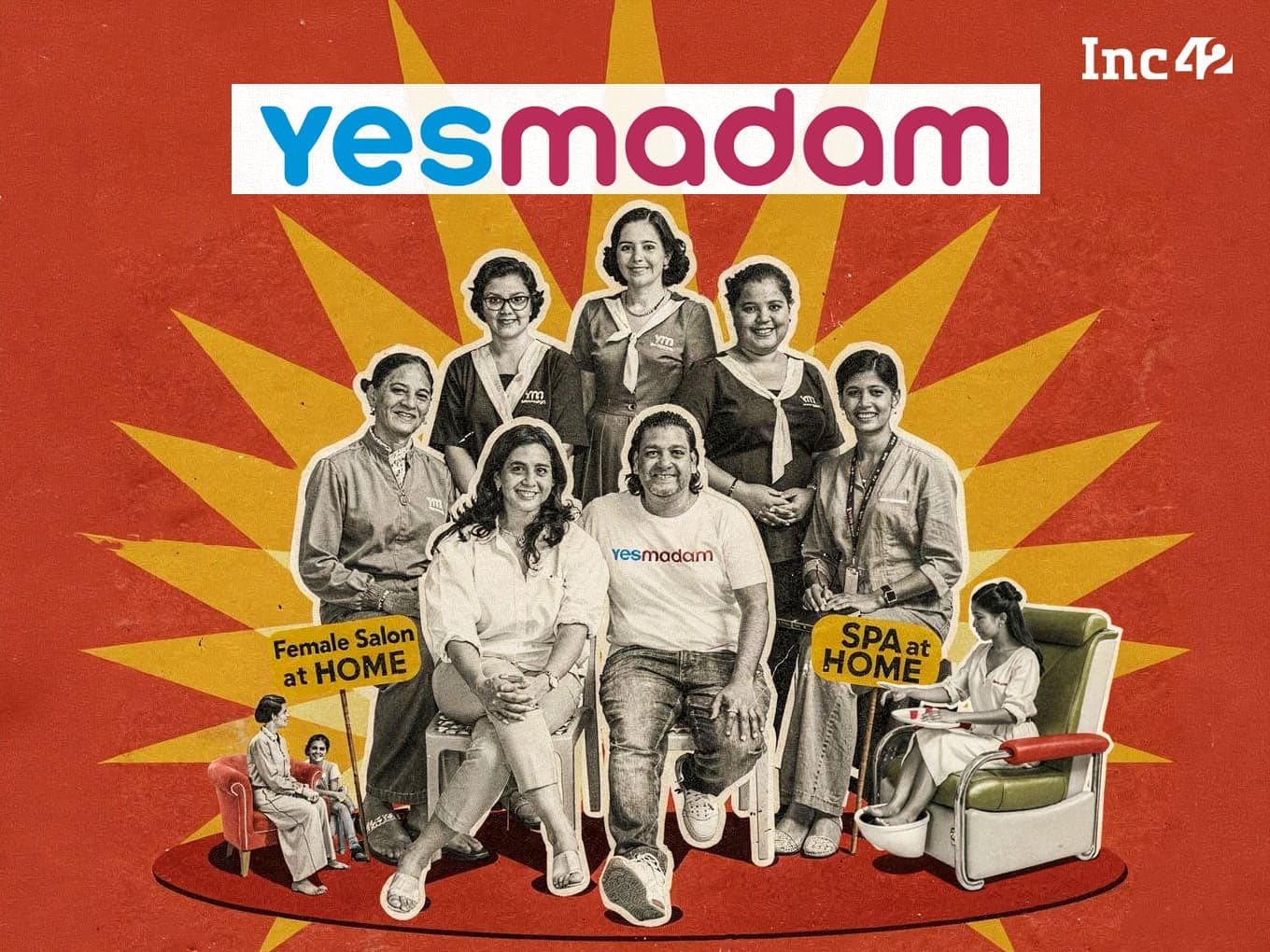

Yes Madam is proving that zero commissions can be a viable competitive moat in home salon services. The company's 0% commission model for top performers allows service professionals to retain 100% of their earnings, with average monthly incomes of ₹50,000 and top earners exceeding ₹1 lakh. This is a direct challenge to the traditional gig economy playbook, where platforms take 20-30% commissions. In a $1.2 billion market expected to double by 2033, this model could reshape the competitive landscape.
Why this matters for your bottom line: If Yes Madam scales successfully, it will force every competitor—from Urban Company to traditional salons—to rethink their pricing and retention strategies. The zero-commission approach creates a powerful incentive for top talent to switch platforms, potentially triggering a war for professionals that raises costs across the industry.
The Zero Commission Advantage: A Structural Moat
Yes Madam's model is not just a pricing gimmick; it is a structural differentiator. By eliminating commissions for top performers, the platform aligns its incentives with those of its service professionals. This reduces churn, increases loyalty, and attracts the best talent. The company monetizes through product margins and nominal platform fees, creating a revenue mix that is less dependent on squeezing workers. This is a classic 'unfair advantage'—a moat built on human capital retention.
However, the model has a hidden vulnerability: it relies on a small fraction of top performers to generate the bulk of customer satisfaction and repeat business. If those top performers leave, the platform's quality drops disproportionately. Yes Madam must therefore invest heavily in training and quality assurance to maintain its value proposition. Mandatory training programs and app-based safety features (verified profiles, SOS button) are steps in the right direction, but scaling these while maintaining consistency will be a major operational challenge.
Who Gains, Who Loses
Winners: Top-performing service professionals are the clear winners. They earn significantly more than on commission-based platforms, and they gain access to a steady stream of customers without sacrificing income. Customers also win: they receive higher-quality service from trained, vetted professionals, with safety features that reduce risk. Yes Madam itself wins by capturing market share and building a loyal professional base.
Losers: Traditional salon chains face a double threat: customers prefer the convenience of home service, and their best stylists are lured away by higher earnings. Commission-based platforms like Urban Company are also at risk. If Yes Madam's model proves sustainable, Urban Company will be forced to either lower commissions (squeezing its own margins) or lose top professionals. The platform that cannot adapt will face obsolescence.
Market Impact: A Shift to Subscription or Fee-Based Models
The zero-commission model could catalyze a broader industry shift. Platforms may move from commission-based revenue to subscription fees for customers or professionals, or rely more on product sales and advertising. This would reduce the direct link between platform revenue and professional earnings, potentially stabilizing income for workers. However, it also introduces new risks: subscription fatigue among customers, and the need for platforms to offer enough value to justify recurring fees.
Consolidation is likely. Smaller platforms that cannot sustain low margins will be acquired or shut down. The survivors will be those that can build a strong brand, a loyal professional base, and multiple revenue streams. Yes Madam's hub-and-spoke model for service delivery could become a template for efficient scaling, but it requires significant capital investment in training centers and logistics.
Regulatory and Labor Implications
Yes Madam's model also has implications for the gig worker classification debate. By offering higher earnings and treating professionals as 'independent business owners,' the platform may argue that its workers are not employees. However, if the platform controls training, pricing, and service standards, regulators could still classify them as employees, triggering benefits and minimum wage requirements. This is a legal risk that Yes Madam must navigate carefully.
In India, where the gig economy is growing rapidly, the government is increasingly scrutinizing platform labor practices. Yes Madam's model could be seen as a positive example of fair compensation, but it may also set a precedent that other platforms are expected to follow. If regulators mandate zero-commission or minimum earnings guarantees, the entire industry's cost structure could shift.
Outlook: What to Watch in the Next 30 Days
Over the next month, watch for three indicators: (1) Yes Madam's customer acquisition costs and repeat booking rates—if they are improving, the model is gaining traction; (2) competitor responses—Urban Company may announce a pilot program with reduced commissions or a new tier for top professionals; (3) regulatory signals—any government statements on gig worker protections could alter the playing field. If Yes Madam announces a funding round or expansion into new cities, it signals confidence in the model's scalability.
FAQ
Yes Madam's disruptive 0% commission model allows top-performing service professionals to retain 100% of their earnings, directly addressing income instability common in the gig economy. This empowers them to earn significantly more (average ₹50,000/month, top performers over ₹1 lakh/month), fostering loyalty and positioning them as independent business owners.
Yes Madam generates revenue through product margins and nominal platform fees, rather than high commissions from service professionals. This sustainable model ensures the platform's viability while prioritizing fair earnings for its partners.
Yes Madam prioritizes trust and safety through app-embedded safeguards, including verified customer profiles and a one-tap SOS feature for service providers. This commitment to security is crucial for building confidence in the home service sector.
Yes Madam mandates training programs to ensure all service professionals meet rigorous hygiene and skill standards. This focus on quality assurance elevates the service experience, leading to increased customer satisfaction and repeat business.