
The AI Regulation Surge: India's Strategic Playbook
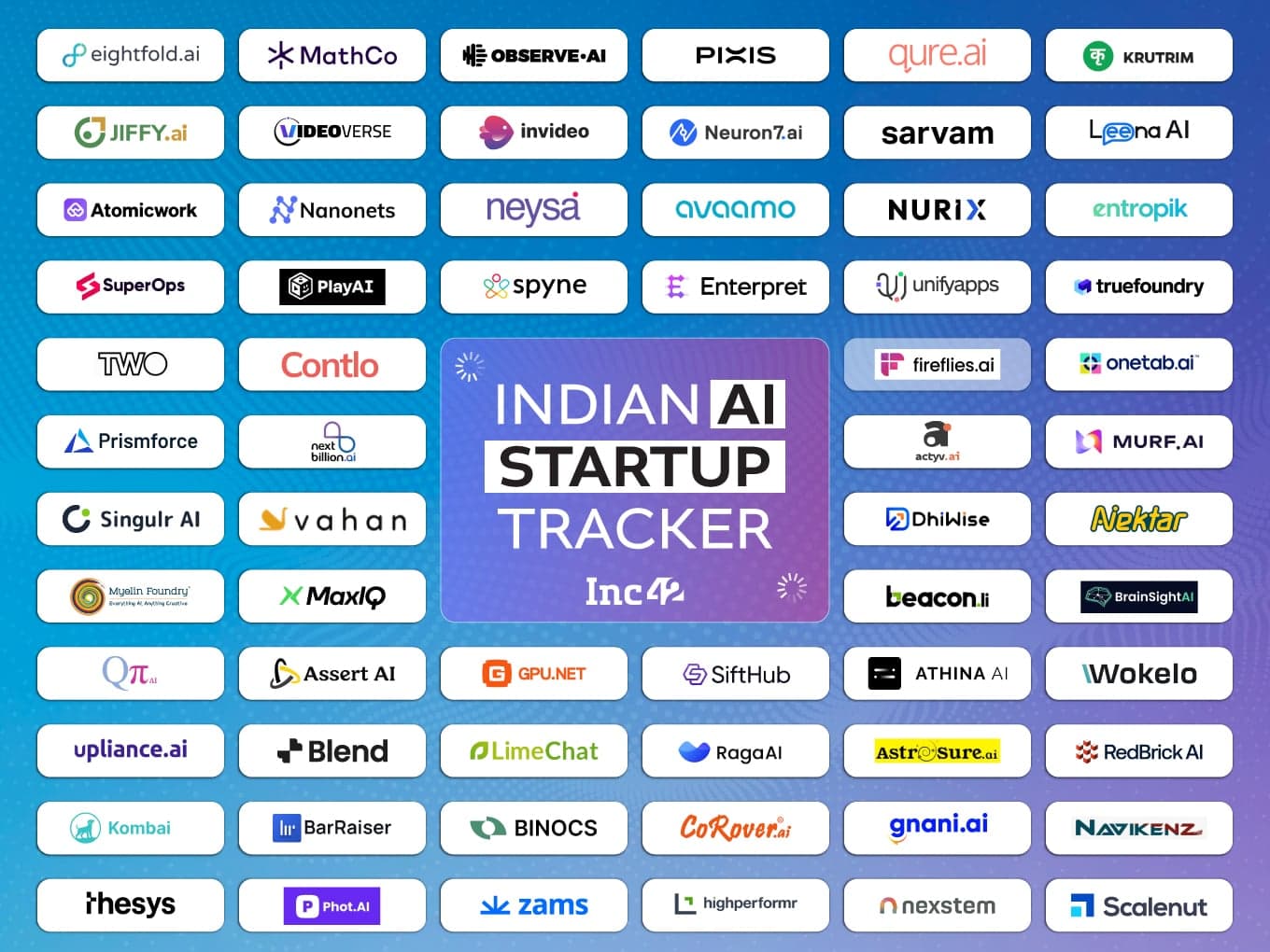
AI Regulation is becoming a pivotal focus for India as the nation positions itself as a global leader in artificial intelligence. With over 170 startups emerging from its vibrant ecosystem, India is not just a participant but a potential frontrunner in the global AI race. The government’s IndiaAI mission aims to build a robust infrastructure that supports AI innovation, including investments in semiconductors, quantum computing, and data centers.
Inside the Machine: Government Initiatives Fueling AI Growth
The Indian government is not merely an observer in this AI revolution; it is actively shaping the landscape. The recent policy shifts reflect a strategic pivot from merely encouraging AI adoption to fostering domestic capabilities. This includes a tax holiday until 2047 for companies establishing data center infrastructure, which is a significant incentive for both local and international players.
The Hidden Mechanism: Funding and Investment Trends
Since 2020, Indian AI startups have attracted over $1.5 billion in funding, with projections suggesting the market could exceed $17 billion by 2030. The momentum is palpable, with major players like Reliance Industries and Tata Group collaborating with global giants such as OpenAI and NVIDIA to amplify India’s computational prowess. This collaboration is not just about capital but about building a sustainable ecosystem that can thrive in the long term.
What They Aren't Telling You: The Competitive Edge
While the funding figures are impressive, the real story lies in the startups that are carving out their niches. Companies like Observe AI and Pixis are not just building products; they are creating ecosystems that integrate seamlessly into existing frameworks, providing them with an unfair advantage. The focus on vertical AI applications, such as healthcare and finance, is indicative of a strategic approach to capture high-value markets.
Strategic Alliances: The Role of Global Partnerships
India's AI landscape is characterized by strategic alliances that enhance its competitive position. Partnerships between local startups and global tech giants are not merely transactional; they are foundational for knowledge transfer and innovation. This synergy is critical as Indian startups aim to build products that are not only locally relevant but also globally scalable.
Future-Proofing: The Long-Term Vision
The Indian AI market is projected to have a GDP impact of $1.7 trillion by 2035, underscoring the long-term potential of this sector. The government's commitment to building a robust AI infrastructure, coupled with rising investor confidence, sets the stage for exponential growth. As the global AI market reaches a valuation of $346 billion, India's strategic positioning could yield substantial returns.
The Competitive Moat: Building Barriers to Entry
Startups like SarvamAI and QpiAI are not just developing technology; they are creating moats that protect their market share. By focusing on India-centric use cases and leveraging local language models, these companies are establishing themselves as indispensable players in the AI ecosystem. Their ability to cater to specific regional needs provides them with a competitive edge that is hard to replicate.
Conclusion: The Road Ahead
As India accelerates its AI ambitions, the focus on regulation will be crucial. The interplay between government initiatives, startup innovation, and global partnerships will define the trajectory of India's AI landscape. The future is not just about technology; it's about strategic foresight and the ability to adapt to an ever-evolving market.
FAQ
India is strategically positioning itself as a global AI leader by fostering domestic capabilities through significant government initiatives, substantial investment in infrastructure (semiconductors, quantum computing, data centers), and encouraging innovation via tax holidays and strategic global partnerships. The goal is to build a robust AI ecosystem that drives economic growth and creates a competitive edge.
The Indian government is actively promoting AI growth through policy shifts and financial incentives. Key measures include a tax holiday until 2047 for data center infrastructure, attracting both domestic and international investment. Additionally, the IndiaAI mission focuses on building foundational AI infrastructure to support innovation.
India's AI market is projected to have a substantial GDP impact, estimated at $1.7 trillion by 2035. This growth is driven by increasing investor confidence, government support, and the rapid expansion of AI startups focusing on high-value vertical applications and India-centric use cases.
Strategic alliances with global tech giants are crucial for India's AI ecosystem. These partnerships facilitate knowledge transfer, amplify computational prowess, and enable Indian startups to develop globally scalable products. They are foundational for building a sustainable and competitive AI landscape.