
The End of Traditional Governance Models
The India AI Impact Summit 2026 has illuminated a pivotal moment in the evolution of artificial intelligence regulation. As global leaders converge, the call for robust AI governance frameworks has never been more urgent. With predictions of superintelligence looming just a few years away, the imperative for comprehensive regulation is clear.
The Birth of a Sovereign AI Ecosystem
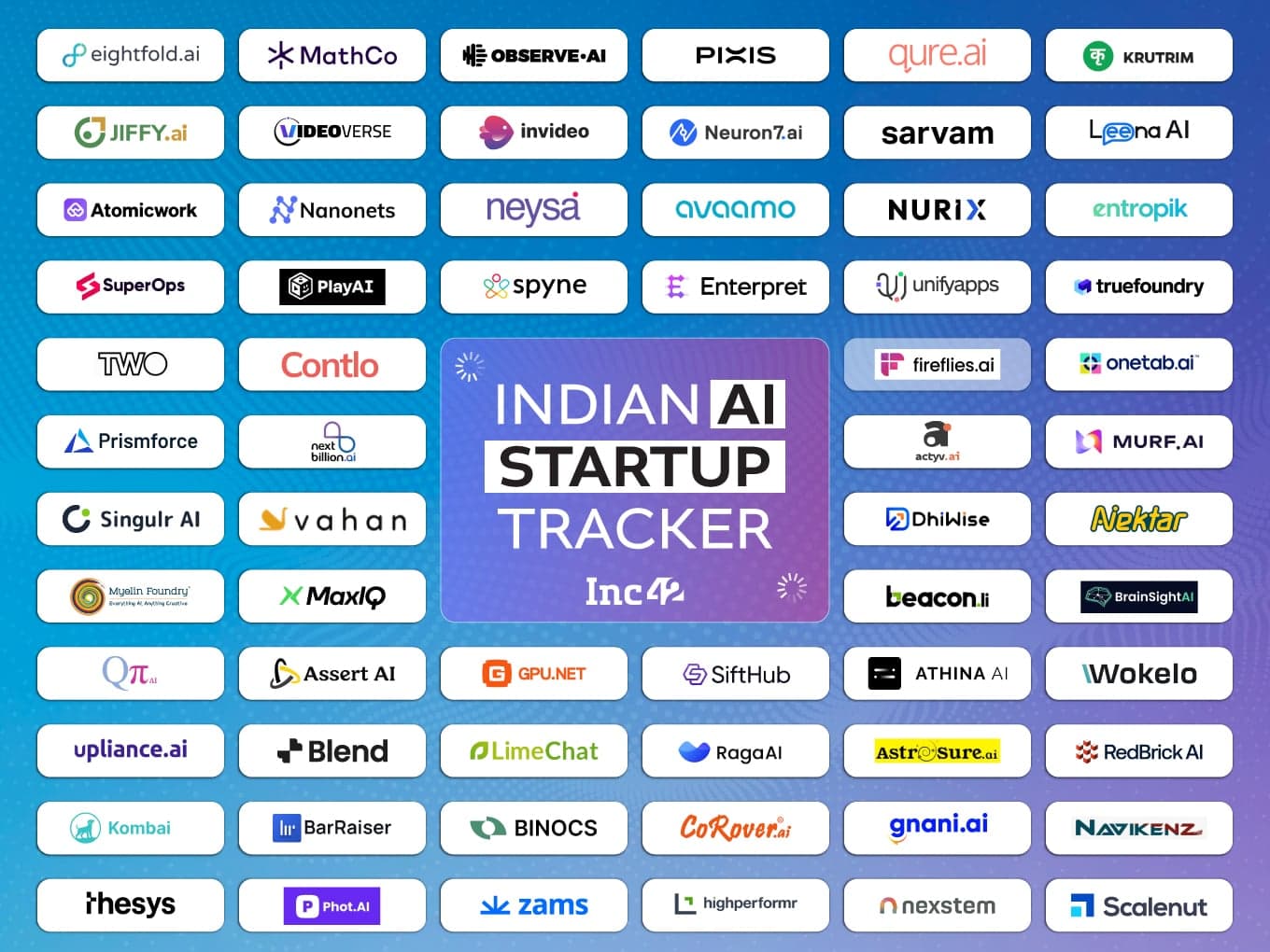
India's commitment to establishing a sovereign AI ecosystem, highlighted by a staggering $5.5 billion in funding across 1,700 companies, signals a shift from reliance on foreign AI systems to homegrown innovations. Prime Minister Modi's vision for a 'Viksit Bharat' underscores the nation's ambition to leverage AI as a core component of its economic strategy, potentially transforming the IT sector into a $400 billion industry by 2030.
Strategic Partnerships and Global Collaboration
The summit showcased strategic partnerships, such as the collaboration between Tata Group and OpenAI, emphasizing the need for local enterprises to take ownership of AI solutions. As global players like Microsoft and Google invest heavily in India's AI infrastructure, the focus is shifting towards creating a collaborative ecosystem that prioritizes ethical standards and responsible AI deployment.
AI's Economic Potential: A 2030 Outlook
Experts predict that AI could catalyze a remarkable 25% economic growth in India. As AI applications proliferate across sectors like healthcare, education, and agriculture, the emphasis on scaling these technologies to benefit the masses becomes paramount. Vinod Khosla's assertion that AI can provide 24/7 access to healthcare for every Indian exemplifies the transformative potential of these technologies.
Challenges Ahead: The Need for Inclusive AI
However, the rise of AI also brings challenges. Concerns about job displacement loom large, with predictions that AI could disrupt traditional IT and BPO sectors by 2030. The call for inclusive AI solutions that address the needs of underserved populations is critical. As leaders advocate for an Aadhaar-like system to provide AI services, the focus must remain on ensuring equitable access to technology.
Global Implications of AI Regulation
The summit's discussions on AI regulation extend beyond national borders. As countries grapple with the implications of AI on labor markets and societal structures, the need for international cooperation becomes evident. Sam Altman's call for a world organization to coordinate AI governance reflects a growing consensus that AI's impact transcends national boundaries.
Conclusion: Preparing for a Transformative Future
As we approach 2030, the landscape of AI regulation is set to evolve dramatically. The India AI Impact Summit 2026 has positioned India as a leader in AI adoption, setting the stage for a future where AI not only drives economic growth but also enhances the quality of life for millions. The time to act is now; the future of AI regulation must be shaped collaboratively to ensure it serves humanity's best interests.
FAQ
India is actively fostering a sovereign AI ecosystem with significant funding ($5.5 billion) for 1,700 companies, aiming to reduce reliance on foreign systems and drive economic growth. Prime Minister Modi envisions AI as a core economic strategy, projecting a transformation of the IT sector into a $400 billion industry by 2030 and a potential 25% overall economic growth catalyzed by AI applications across key sectors.
Strategic partnerships, such as the one between Tata Group and OpenAI, are crucial for local enterprises to own AI solutions. Global tech giants like Microsoft and Google are investing in India's AI infrastructure, fostering a collaborative ecosystem focused on ethical standards and responsible AI deployment.
The primary challenges include potential job displacement in traditional IT and BPO sectors by 2030 and the critical need for inclusive AI solutions. There's a strong push for an Aadhaar-like system to ensure equitable access to AI services for all segments of the population.
The discussions highlight the urgent need for robust AI governance frameworks and international cooperation. The call for a world organization to coordinate AI governance, as suggested by Sam Altman, reflects a growing consensus that AI's impact transcends national borders and requires a unified approach.