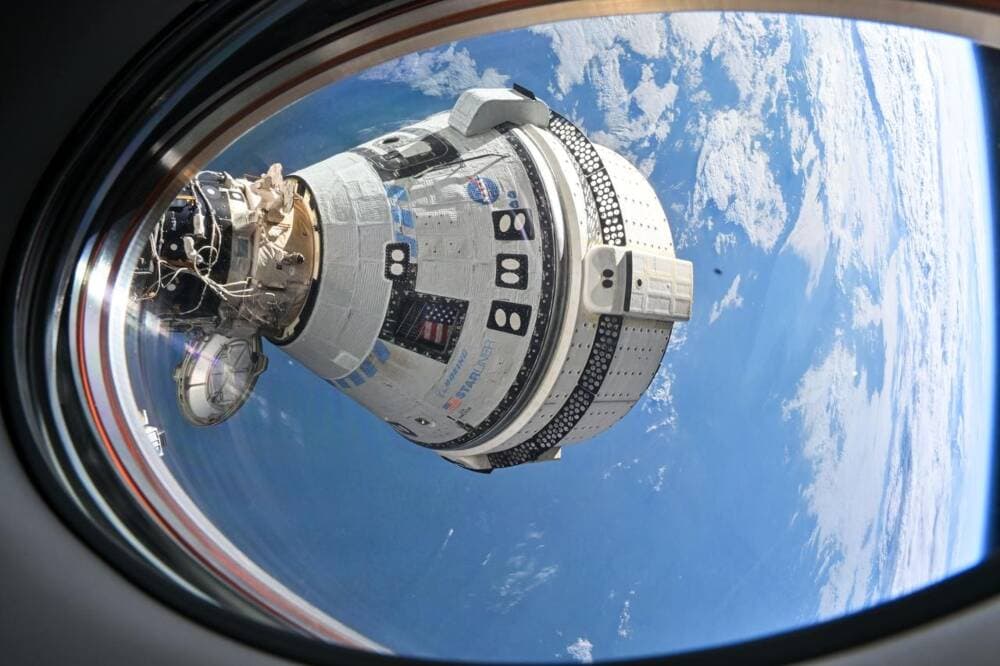

Understanding the Starliner Mission Failure
The Boeing Starliner mission failure highlights critical lessons in organizational oversight within the context of NASA's Commercial Crew Program (CCP). NASA's investigation revealed that while technical issues were present, the root causes stemmed from leadership failures and a chaotic organizational culture. NASA Administrator Jared Isaacman emphasized that the mission's success hinged on the decisions made by flight controllers and crew, rather than the systems in place.
Technical Shortcomings and Oversight Failures
The investigation identified several technical shortcomings in the Starliner spacecraft. These included inadequate testing of the propulsion system, low telemetry rates, and insufficient onboard data storage during prior flight tests. Such deficiencies led to a lack of critical flight data necessary for diagnosing anomalies. This oversight allowed for unexplained anomalies to be accepted without thorough root cause analysis, ultimately jeopardizing the mission.
Cultural Issues Within NASA and Boeing
NASA's report pointed to significant cultural issues that contributed to the mission's failure. The organization admitted to having limited insight into subcontractor-level data, which hindered its ability to verify the readiness of Starliner's systems. Additionally, the pressure to adhere to schedules resulted in a restrictive risk reduction initiative. This environment fostered a lack of ownership regarding critical issues, as the shared accountability model was poorly understood and inconsistently applied.
Overconfidence and Risk Tolerance
Isaacman noted that NASA's overconfidence in Boeing, based on past performance, led to inadequate oversight during Starliner's development. The CCP's emphasis on provider autonomy clashed with NASA's traditional culture of technical rigor, resulting in a perception that Boeing's leadership was overly risk-tolerant and dismissive of dissenting views. This cultural clash ultimately put the lives of astronauts at risk.
Future Implications for NASA and Boeing
Despite the findings, both NASA and Boeing remain committed to the Starliner program. Boeing stated that it has made substantial progress on corrective actions and cultural changes since the test flight. However, questions linger regarding the CCP's effectiveness and whether a NASA-managed approach might be safer, especially given the existence of the Space Launch System (SLS) capable of returning astronauts to the Moon.
Strategic Considerations Moving Forward
Isaacman affirmed that the CCP is a successful program that has revitalized American spaceflight capabilities. However, he acknowledged that improvements are necessary within NASA to achieve their objectives. The conversation initiated by the report is a critical first step toward addressing these organizational and cultural challenges.
FAQ
The Starliner mission failure was primarily driven by leadership failures and a chaotic organizational culture within both NASA and Boeing, rather than solely technical shortcomings. NASA's investigation highlighted inadequate oversight, a lack of ownership for critical issues, and an overreliance on past performance leading to excessive risk tolerance.
A culture of overconfidence and pressure to meet schedules led to inadequate testing, insufficient data collection, and a failure to thoroughly analyze anomalies. NASA's limited insight into subcontractor data and a poorly understood shared accountability model meant critical deficiencies were overlooked, jeopardizing mission safety.
While NASA and Boeing remain committed to Starliner, the failure raises questions about the CCP's oversight effectiveness and whether a more traditional NASA-managed approach might be safer. It underscores the need for improved organizational and cultural practices to ensure the success and safety of future ambitious spaceflight programs.
Boeing has stated that substantial progress has been made on corrective actions and cultural changes. NASA is initiating a critical conversation to address the identified organizational and cultural challenges, aiming to improve oversight and risk management for future missions.