
The Quiet Revolution in Small-Town India
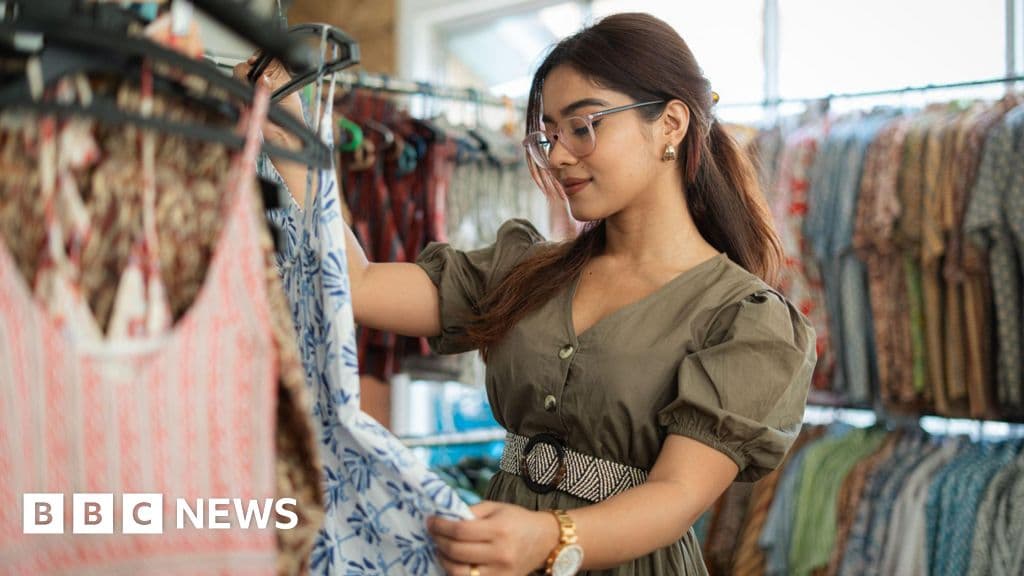
Budget fast fashion is not just growing in India—it is fundamentally rewiring the retail DNA of tier-2 and tier-3 towns. The rise of brands like Zudio and Reliance Trends signals a permanent shift in consumer behavior, where value-conscious shoppers are abandoning traditional street-side bazaars for branded outlets. This is not a fad; it is a structural reallocation of wallet share.
Zudio's trajectory is the clearest evidence: from 7 stores in 2018 generating $12 million in revenue, the Tata-owned chain is projected to exceed $1 billion by mid-2025 with 765 outlets nationwide. That is a compound annual growth rate that dwarfs most retail benchmarks. For context, Westside—a more established mid-market brand—cannot match this pace, highlighting a bifurcation in the market.
Why This Matters for Your Bottom Line
The Indian apparel market, valued between $70 billion and $100 billion, is underperforming its potential. Analysts project a 12-15% annual growth rate, yet recent years have seen stagnation below 10%. The budget segment is the primary engine of what growth exists. For investors and executives, the question is not whether to participate, but how to capture share before the window closes.
The strategy of targeting the bottom of the pyramid has proven effective. In towns like Sangli, shoppers now equate affordability with luxury. This psychological shift is the key driver: consumers are not just buying clothes; they are buying aspiration. Brands that fail to offer a branded experience at budget prices will lose relevance.
Winners and Losers in the New Retail Order
Who Gains?
Zudio (Tata Group) is the clear winner. Its rapid store expansion and revenue surge demonstrate a scalable model that leverages Tata's supply chain and real estate muscle. Reliance Trends also benefits, riding the same wave of small-town formalization. Most importantly, small-town consumers gain access to affordable, branded apparel that was previously unavailable, improving their quality of life and social mobility.
Who Loses?
Street-side bazaars and local unbranded retailers are the biggest losers. As consumers trade up, these traditional channels face irreversible decline. Mid-market brands like Westside are squeezed: they cannot compete on price with budget players, nor on exclusivity with premium brands. Their customer base is eroding from below. Finally, the environment loses, as fast fashion accelerates textile waste. India recycles only a tiny fraction of used clothing, and the industry is a major waste contributor.
The Sustainability Paradox
As budget fast fashion expands, environmental concerns grow. The textile industry is a major polluter, and with low recycling rates, the waste footprint is enormous. Some brands are beginning to integrate sustainability, but significant change remains distant. For now, the allure of style and savings dominates consumer priorities. However, regulatory pressure is building. Executives should monitor policy shifts around extended producer responsibility and waste management mandates.
Market Dynamics and Growth Trajectories
The Indian apparel market is bifurcating into premium and budget segments. Budget players drive volume growth in tier-2/3 towns, while mid-market brands face margin compression. Zudio's success proves that affordability can be a luxury proposition. The per capita spending on apparel in India lags behind China and the U.S., indicating significant headroom for growth—if the right value proposition is offered.
Analysts predict the market should grow at 12-15% annually, but it has stagnated below 10%. The budget segment is the catalyst needed to reignite growth. For investors, this means backing players with strong supply chains and real estate strategies. For competitors, it means either innovating on price or moving upmarket.
Outlook and Next Steps
Over the next 12-24 months, expect Zudio to continue its aggressive expansion, possibly entering tier-4 towns. Reliance Trends will likely respond with price cuts or loyalty programs. Mid-market brands will face consolidation pressure. Sustainability will become a regulatory and reputational risk; early movers in textile recycling or circular fashion could gain a competitive edge.
Key indicators to watch: Zudio's same-store sales growth, Reliance Trends' margin trends, and any government announcements on textile waste regulations. The budget fast fashion wave is just beginning.
FAQ
Budget fast fashion brands are rapidly displacing traditional street-side bazaars in small-town India. Consumers are shifting their spending towards branded outlets offering contemporary designs and a superior shopping experience, even reallocating funds from other areas due to the aspirational value and affordability of these new retail formats.
The explosive growth of brands like Zudio is driven by a successful strategy of targeting the 'bottom of the pyramid' with highly affordable, aspirational apparel. This resonates strongly with value-conscious consumers in tier-2 and tier-3 towns who now associate affordability with a desirable, branded shopping experience.
The Indian apparel market is projected for significant growth, potentially reaching $100 billion by 2030. However, a key challenge is elevating overall market consumption, as per capita spending on apparel still lags behind developed nations. The market needs to achieve an annual growth rate of 12-15% to reach its full potential, a rate it has struggled to maintain recently.
The growing popularity of fast fashion raises significant environmental concerns, as the textile industry is a major contributor to waste in India with low recycling rates. While some brands are beginning to explore sustainability, the immediate consumer priority remains style and savings, indicating that substantial environmental change in this sector is still a long-term goal.