
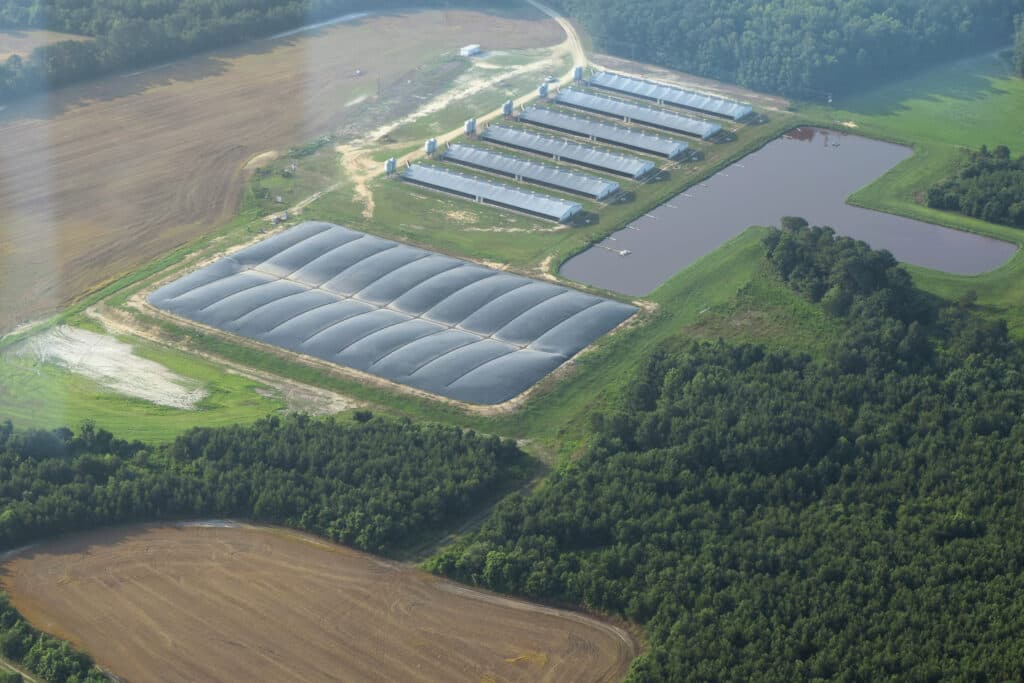

Environmental Tensions: The Local Backlash Against Biogas
California's biogas initiative, aimed at harnessing organic waste for renewable energy, faces significant local opposition in North Carolina. This initiative, which is part of a broader strategy to reduce greenhouse gas emissions and promote sustainable energy, has ignited concerns among local communities regarding environmental impacts, land use, and public health. The initiative seeks to convert agricultural waste, food scraps, and other organic materials into biogas, a renewable energy source that can power homes and businesses.
Despite its potential benefits, the initiative's implementation has been met with skepticism from residents who fear that biogas facilities may lead to air and water pollution, odor issues, and disruptions to local ecosystems. This backlash underscores a critical challenge in the renewable energy sector: the need to balance sustainability with the interests and concerns of local populations. Stakeholders must navigate these tensions carefully to ensure that the initiative does not become a flashpoint for community unrest.
Moreover, the opposition reflects a broader trend in the energy sector where local communities are increasingly vocal about their concerns regarding large-scale renewable projects. As California pursues ambitious climate goals, the state must consider the socio-political landscape in which these initiatives are deployed. Failure to engage with local stakeholders could jeopardize the success of the biogas initiative and similar projects in the future.
Understanding the Biogas Model: Technology and Infrastructure
The biogas initiative relies on anaerobic digestion technology, a process that breaks down organic material in the absence of oxygen to produce biogas, primarily composed of methane. This technology has been successfully implemented in various regions worldwide, offering a dual benefit of waste management and renewable energy generation. The biogas produced can be used for electricity generation, heating, or as a vehicle fuel, presenting a versatile solution for energy needs.
In California, the initiative aims to create a robust infrastructure that includes biogas production facilities, pipelines for distribution, and partnerships with local farmers and waste management companies. This integrated approach is designed to maximize the efficiency of resource use and minimize waste. However, the technology and infrastructure must be carefully managed to mitigate the environmental concerns raised by local communities.
Key players in this space include companies specializing in anaerobic digestion technology, such as Biogen and Clean Energy Fuels, which provide the necessary equipment and expertise to establish biogas facilities. Additionally, local governments and agricultural organizations play a critical role in facilitating partnerships and ensuring compliance with environmental regulations.
To address local opposition, stakeholders must prioritize transparency and community engagement. This involves providing clear information about the environmental safeguards in place, the potential economic benefits for local communities, and the steps taken to minimize any adverse impacts. By fostering a collaborative approach, the initiative can build trust and support among local residents, which is essential for its long-term success.
Strategic Implications: A Roadmap for Stakeholders
The backlash against California's biogas initiative has significant implications for various stakeholders, including policymakers, energy companies, and local communities. For policymakers, the challenge lies in creating a regulatory framework that supports renewable energy development while addressing community concerns. This may involve revisiting zoning laws, environmental assessments, and public consultation processes to ensure that local voices are heard and considered in decision-making.
Energy companies must also adapt their strategies in light of local opposition. This includes investing in community outreach programs, providing educational resources about the benefits of biogas, and demonstrating a commitment to environmental stewardship. By proactively engaging with local residents and addressing their concerns, companies can mitigate opposition and foster a more favorable environment for renewable energy projects.
For local communities, the situation presents an opportunity to engage in the renewable energy dialogue actively. Community members can advocate for their interests while also exploring potential partnerships with energy companies that align with their values. By participating in discussions about renewable energy projects, communities can ensure that their concerns are addressed and that they benefit from the economic opportunities these initiatives may bring.
Ultimately, the success of California's biogas initiative will depend on the ability of all stakeholders to collaborate effectively. By prioritizing transparency, community engagement, and environmental responsibility, the initiative can serve as a model for future renewable energy projects, demonstrating that sustainability and local interests can coexist.
FAQ
The primary challenge is significant local opposition in North Carolina stemming from concerns about environmental impacts, land use, and public health. For energy companies, this necessitates investing in community outreach, education, and demonstrating environmental stewardship. Policymakers must develop a regulatory framework that balances renewable energy development with robust community engagement and consideration of local concerns, potentially through revised zoning and environmental assessment processes.
The initiative aims to reduce greenhouse gas emissions and promote sustainable energy by converting organic waste (agricultural, food scraps) into biogas, a renewable energy source. It relies on anaerobic digestion technology, which breaks down organic material without oxygen to produce methane-rich biogas that can be used for electricity, heating, or vehicle fuel.
Stakeholders must prioritize transparency and community engagement. This involves providing clear information on environmental safeguards, local economic benefits, and impact mitigation strategies. Energy companies should proactively engage with residents, and policymakers should ensure local voices are heard in decision-making processes. A collaborative approach is crucial for building trust and long-term success.
