

The Rise of Environmental Stewardship
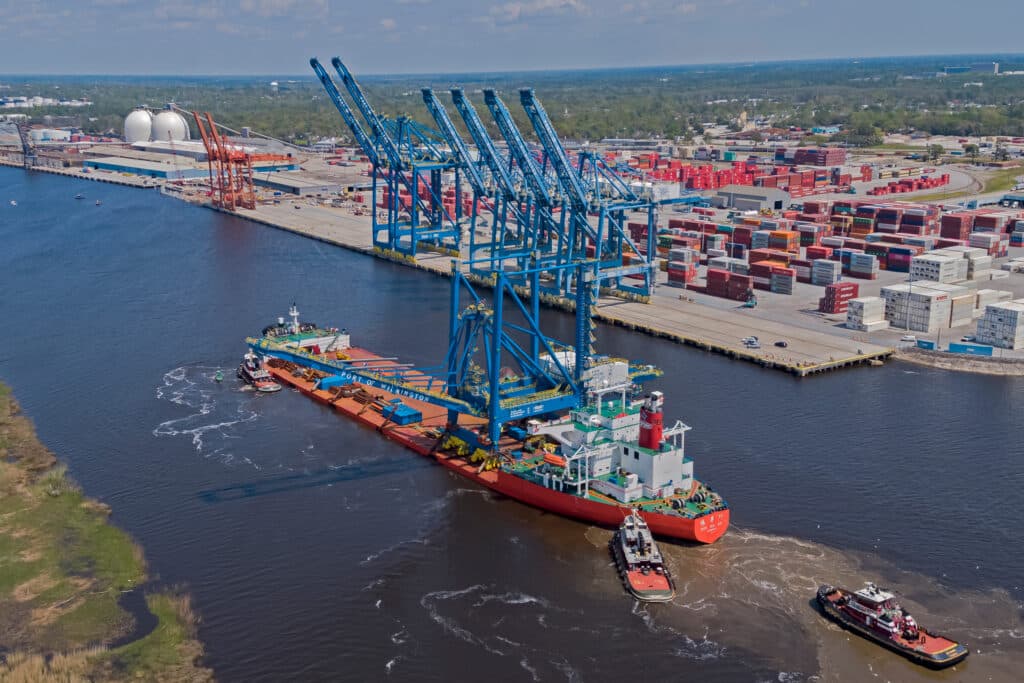
The recent decision by North Carolina regulators to reject the U.S. Army Corps of Engineers' $1.2 billion dredging proposal for Wilmington Harbor signals a critical turning point in environmental governance. This rejection underscores a growing recognition that economic development cannot come at the expense of ecological integrity. The Corps' plan aimed to deepen the shipping channel to accommodate larger vessels, but it was met with staunch opposition due to its potential environmental ramifications, including flooding impacts, sea-level rise, and contamination from PFAS, or 'forever chemicals.'
2030 Outlook: A Shift in Coastal Management
As we look toward 2030, the implications of this decision extend far beyond the immediate project. The end of the Corps' proposal reflects a broader societal shift towards prioritizing sustainable practices over short-term economic gains. The Division of Coastal Management (DCM) articulated its concerns regarding the project's cumulative impacts, emphasizing the need for rigorous analysis of net economic benefits against potential environmental degradation. This pivot indicates a future where environmental considerations are integral to federal and state project evaluations.
Economic Viability vs. Environmental Integrity
The Corps had anticipated that the dredging would bolster the Port of Wilmington's viability, yet this vision has been challenged by environmental advocates and local communities. Critics argue that the economic benefits touted by the State Ports Authority were unfounded and downplayed the potential harms to water quality, fisheries, and wetlands. The DCM's objection serves as a reminder that economic viability must align with ecological stewardship.
Public Engagement and Regulatory Evolution
Over the past three and a half years, extensive public engagement has shaped the conversation around this project. Hundreds of comments from environmental advocates, residents, and local governments have voiced concerns about the dredging's potential impacts. This participatory approach highlights a new era of regulatory evolution where public voices are increasingly influential in shaping environmental policy. The DCM's decision reflects a commitment to responsible stewardship, prioritizing the health of natural systems and the livelihoods that depend on them.
Future Pathways: Mediation and Collaboration
While the Corps has expressed disappointment over the DCM's objection, there remains a pathway for mediation and collaboration. The Corps and the State Ports Authority are currently assessing how to address the concerns raised by the DCM. This potential for dialogue represents an opportunity to reconcile economic and environmental interests, paving the way for future projects that prioritize sustainable development.
Conclusion: A New Era of Environmental Accountability
The rejection of the Wilmington Harbor dredging proposal marks a significant moment in the evolution of environmental policy in North Carolina and beyond. As stakeholders navigate the complexities of development in the face of climate change, the emphasis on environmental accountability will only grow stronger. The end of outdated practices that prioritize short-term economic benefits over long-term ecological health is not just a local issue; it is a global imperative.
FAQ
The rejection signifies a critical shift in environmental governance, indicating that economic development will increasingly be scrutinized against its ecological impact. This suggests a future where projects must demonstrate a clear alignment between economic benefits and environmental integrity, moving away from prioritizing short-term gains over long-term sustainability.
The decision signals a broader trend towards prioritizing sustainable practices. Future federal and state project evaluations will likely incorporate more rigorous analysis of cumulative environmental impacts and net economic benefits, with environmental considerations becoming integral to the approval process.
It highlights that economic viability is no longer sufficient on its own; it must be coupled with ecological stewardship. The market's perceived economic benefits must be weighed against potential harms to water quality, ecosystems, and public health, reflecting a more holistic approach to development.
Extensive public engagement played a significant role, demonstrating a new era of regulatory evolution where public concerns directly influence environmental policy. This indicates that businesses and government agencies must actively incorporate and respond to public and community feedback in their development plans.


