

Understanding the Supreme Court's Role in Climate Litigation
The Supreme Court's upcoming decision on climate litigation could significantly shape the accountability landscape for fossil fuel companies. This pivotal case, originating from Boulder, Colorado, underscores the tension between local governments seeking justice for climate-related damages and the fossil fuel industry’s attempts to evade responsibility. The focus keyword here is 'climate litigation', which encapsulates the broader implications of this legal battle.
The Stakes: Local Governments vs. Fossil Fuel Giants
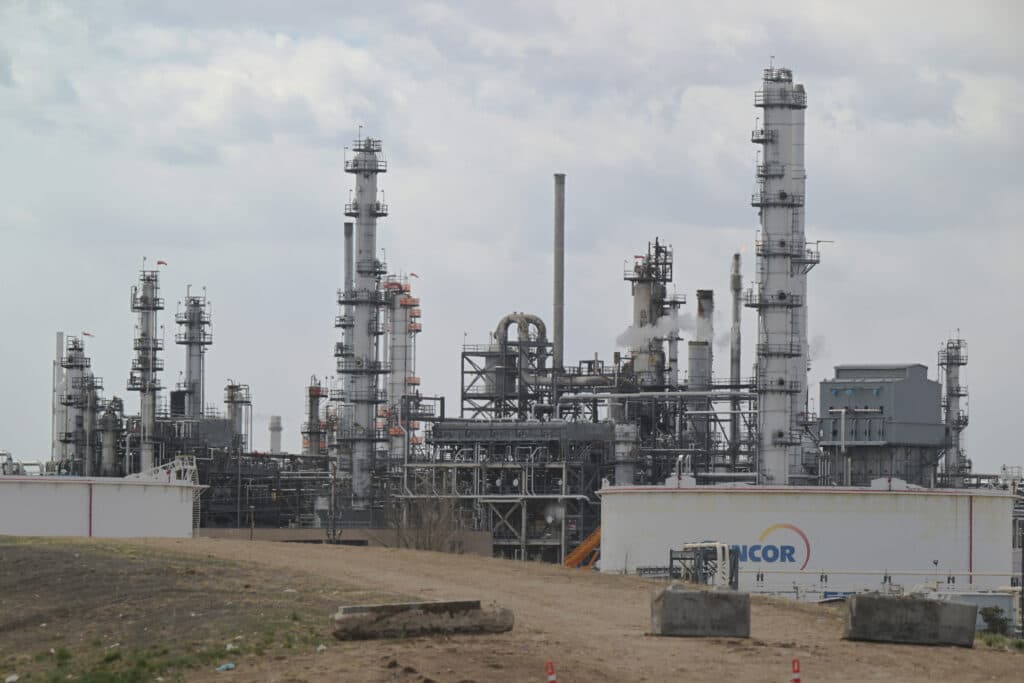
Across the United States, cities like Boulder are arguing that oil companies, such as Suncor Energy and ExxonMobil, should bear financial responsibility for their contributions to climate change. These local governments contend that the pollution from these companies has led to severe environmental consequences that directly affect their communities. In contrast, the oil companies maintain that such lawsuits should be adjudicated in federal courts, where they believe they have a better chance of winning.
Legal Precedents and Implications
The Colorado Supreme Court's decision to allow Boulder's lawsuit to proceed is a significant legal victory for climate advocates. It suggests that state courts can hear cases involving climate impacts, challenging the fossil fuel industry’s narrative that these matters should be handled at the federal level. This case is not isolated; it reflects a growing trend where local governments are asserting their rights to seek redress for climate damages.
Political Dimensions and Broader Context
The involvement of political entities, including the Trump administration and multiple states, adds another layer of complexity. A group of 26 states, led by Republican attorneys general, has argued against Boulder’s legal standing to sue companies based elsewhere. Their stance suggests a coordinated effort to limit local governments' authority in climate litigation, which could have far-reaching implications for future cases.
The Financial Accountability Argument
Boulder officials emphasize that the financial burden of climate adaptation should not rest solely on local taxpayers. This argument is pivotal as it frames the lawsuit not just as a legal issue but as a matter of fairness and equity. The city’s leaders believe that holding fossil fuel companies accountable is essential for securing the resources necessary for a resilient future.
Potential Outcomes and Their Impact
The Supreme Court's decision could set a precedent that either empowers local governments or curtails their ability to pursue justice against large corporations. If the court rules in favor of the fossil fuel companies, it may embolden similar efforts to shield these industries from accountability. Conversely, a ruling in favor of Boulder could open the floodgates for more climate litigation across the nation, fundamentally altering the dynamic between local governments and major corporations.
Conclusion
This case is emblematic of a larger struggle over climate accountability and the role of local governments in addressing environmental issues. As the Supreme Court prepares to hear this case, the implications for climate litigation and corporate responsibility are profound.
FAQ
The Supreme Court's decision will determine whether local governments can hold fossil fuel companies financially responsible for climate change damages, or if such cases must be handled in federal courts, potentially shielding these companies from accountability.
Local governments, like Boulder, argue that fossil fuel companies' pollution has caused climate-related damages and they should bear the financial burden of adaptation. The industry contends that these lawsuits belong in federal courts, where they believe they have a stronger defense.
A ruling favoring local governments could empower more cities and states to pursue climate litigation against corporations, fundamentally shifting the landscape of corporate responsibility. Conversely, a ruling for the industry could significantly curtail such efforts and embolden companies to resist accountability.


